

Iran War Oil Shock Brings Carbon Pollution Drop, Scientists Say
A small fossil-fuel decline
The Global Carbon Project estimates the world emitted 42.2 billion tons of carbon dioxide from fossil fuels in 2026, down 0.4% from the previous year. Oil emissions fell nearly 2%, natural gas emissions declined 0.3%, and coal emissions rose 0.6%.
War disrupted oil supplies
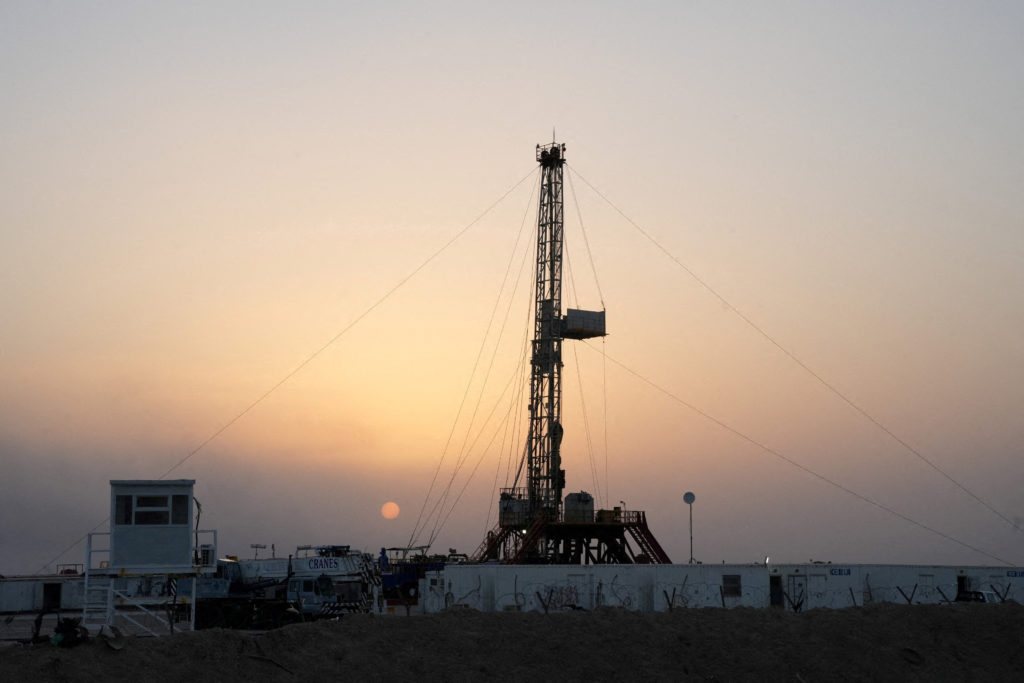
The war in Iran effectively closed the Strait of Hormuz, a major route for petroleum products, and pushed up global gasoline and oil prices. Study co-author Glen Peters of Norway’s CICERO Center for International Climate Research said the timing and pattern of the fuel changes link the decline to war-related energy shocks.
Peters said the abrupt fall in oil emissions differs from the gradual decline that might follow a sustained shift toward renewable energy and reduced fossil-fuel use. He called the result a small positive development for the wrong reasons.
Past declines did not last
This is the third time global carbon pollution has fallen in the 21st century. The other declines occurred during the 2009 global recession and the COVID-19 pandemic in 2020.
Peters said hopes that recovery from those crises would prioritize clean energy were not fulfilled, with emissions returning to previous levels. Outside experts expressed both optimism and doubt about whether the latest decline will endure.
Experts weigh what comes next
Niklas Höhne, co-founder of Germany’s NewClimate Institute, said lasting changes are underway, including rapid growth in electric cars and trucks, particularly in Asia. He believes the global peak in carbon emissions may be near or may already have happened.
Total emissions still increased
While fossil-fuel emissions edged down, total global carbon dioxide emissions rose 1%. The study attributed the increase to land-use changes, including deforestation and human-caused peat fires, which grew faster than fossil-fuel emissions declined.
China, the United States, Europe and Japan each recorded emissions declines of about 1%, which Peters attributed to the oil shock. India’s fossil-fuel emissions rose 4.4%. China’s decline prompted hope among some experts that its emissions may have peaked, though the provided account ends before detailing Adow’s explanation.
Key points
- Fossil-fuel carbon dioxide emissions fell 0.4% in 2026, to 42.2 billion tons.
- Oil emissions dropped nearly 2% amid energy shocks linked to the Iran war.
- Overall global carbon dioxide emissions rose 1%, driven by land-use changes.
- India’s fossil-fuel emissions increased 4.4%, while China, the United States, Europe and Japan each fell about 1%.