

5 nations back plan at UN climate talks to double rooftop solar panels by 2030
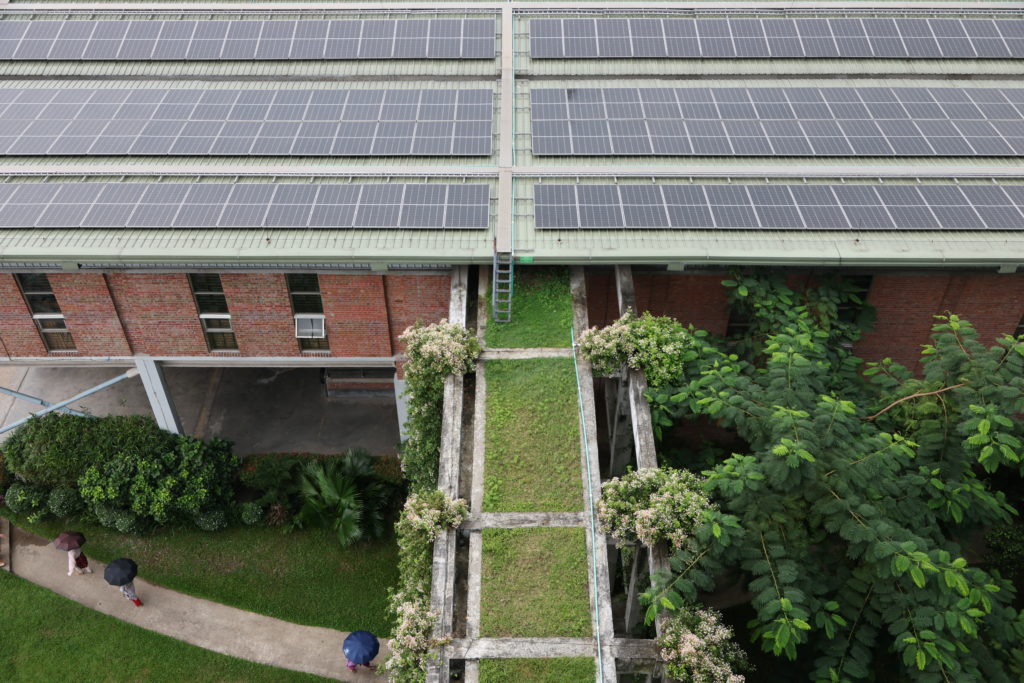
A global rooftop solar goal
Australia, Bangladesh, Kenya, Nigeria and Vanuatu backed the Global Rooftop Solar Declaration on Tuesday, the second day of COP31. The meeting is being co-hosted by Turkey and Australia in Antalya.
The declaration sets a target of doubling the number of homes with rooftop solar by 2030. It is voluntary and non-binding, like many agreements made at U.N. climate talks.
Lawmakers from 21 additional countries, including the United Kingdom, South Africa and Sri Lanka, have endorsed the plan. Indonesia’s state-owned power company, Perusahaan Listrik Negara, has also signed on.
Pledges need practical support
Solar Council CEO Sonia Dunlop said rooftop systems could help families avoid future price increases and lower bills. The Global Renewables Alliance’s Bruce Douglas said the pledge now needs to be followed by national policies and frameworks.
Experts say expanding rooftop solar will require investments in power grids, along with support for solar panels and batteries. Without those measures, the declaration may not significantly reduce emissions linked to climate change.
This year’s talks also emphasize electrification. Turkey is advocating for electricity to account for 35% of global energy consumption by 2035, preferably using renewable sources such as solar and wind.
Coal and grid challenges remain
Michelle Manook of FutureCoal warned that ambitious renewable targets could put energy security, reliability and affordability at risk if grid capacity and storage are not addressed while coal remains in use. China and India have installed record amounts of renewable energy, but limited transmission and storage can leave some power unused.
Key points
- Five countries backed a voluntary goal to double homes with rooftop solar to at least 300 million by 2030.
- The declaration was launched at COP31 in Antalya, Turkey.
- Experts say grid upgrades, batteries and national policies are essential to make the target effective.
- Turkey and Australia still rely heavily on coal despite growing solar and wind generation.