

Turkey pushes transition at COP31 as coal burns amid clean-energy ambitions
Renewables grow, coal remains strong
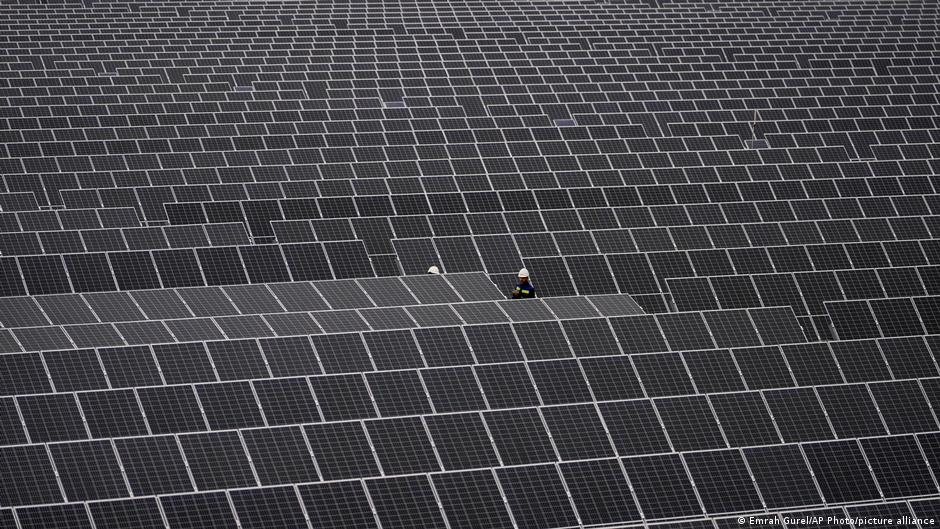
Turkey has approved more than 33 gigawatts of battery-storage projects since 2022, with capacity described as enough to power over 27 million homes. Wind and solar now provide 22% of the country’s electricity, up from 4.5% a decade ago.
That expansion has not offset fossil-fuel dependence. Coal-fired electricity generation rose by roughly one-third over the past decade, and in 2024 Turkey surpassed Germany and Poland in coal power capacity, according to the article.
Pressure on coal projects
Efe Baysal, Turkey team lead at 350.org, told DW that coal’s place in the electricity market is becoming more precarious. He pointed to community opposition and doubts about the financial viability of coal projects.
Beyond Fossil Fuels says about 97% of new coal projects in Turkey were cancelled over the past decade, calling this a global record. The group’s Kasia Szeniawska said coal power is financially risky, raises costs for billpayers, harms health and undermines climate goals.
Umit Sahin of the Istanbul Policy Center described Turkey’s energy policy as conservative and its climate goals as highly insufficient. Climate Action Tracker says the country’s current target allows emissions to rise until 2038, complicating its 2053 net-zero ambition.
Electrification pledge and limits
Turkey launched the “35x35” global electrification pledge in September. It aims to raise electrification across world economies from just over 20% today to 35% by 2035, including in transport, buildings and industry.
The pledge favors clean electricity but does not require it. It complements UN goals to double energy efficiency and triple renewable energy, in line with the Paris climate agreement.
Turkey’s COP31 president, Murat Kurum, is expected to promote the pledge in Antalya on climate and energy-security grounds. Climate Action Tracker says Turkey’s National Energy Plan would bring electrification to around 25% of total energy consumption by 2035.
Exposure to imported fuels
Turkey imports 95% of its natural gas, 83% of its crude oil and 60% of its coal, Baysal said. Fossil fuels account for a large share of the country’s energy capacity, leaving it exposed to shifts in global oil and gas markets.
Kurum said at a UN climate meeting in Bonn that the war in the Gulf had again shown fossil fuels do not guarantee secure energy supplies. He argued that investment in alternative sources can support stability, resilience and clean development.
Turkey also faces severe climate impacts, including wildfires, record heat and recent deadly flooding. The article says the country has an opportunity to accelerate the energy transition as it hosts the climate summit, but it ends before completing Baysal’s point.
Key points
- Turkey’s wind and solar power now supply 22% of its electricity, up from 4.5% a decade ago.
- Coal-fired generation rose by roughly one-third over the past decade, and Turkey has no coal phase-out date.
- The 35x35 pledge seeks 35% global electrification by 2035; Turkey’s plan is on track for about 25%.
- Turkey imports most of its natural gas, crude oil and coal, leaving it exposed to volatile markets.