

Little-known protein could be a major culprit in type 2 diabetes
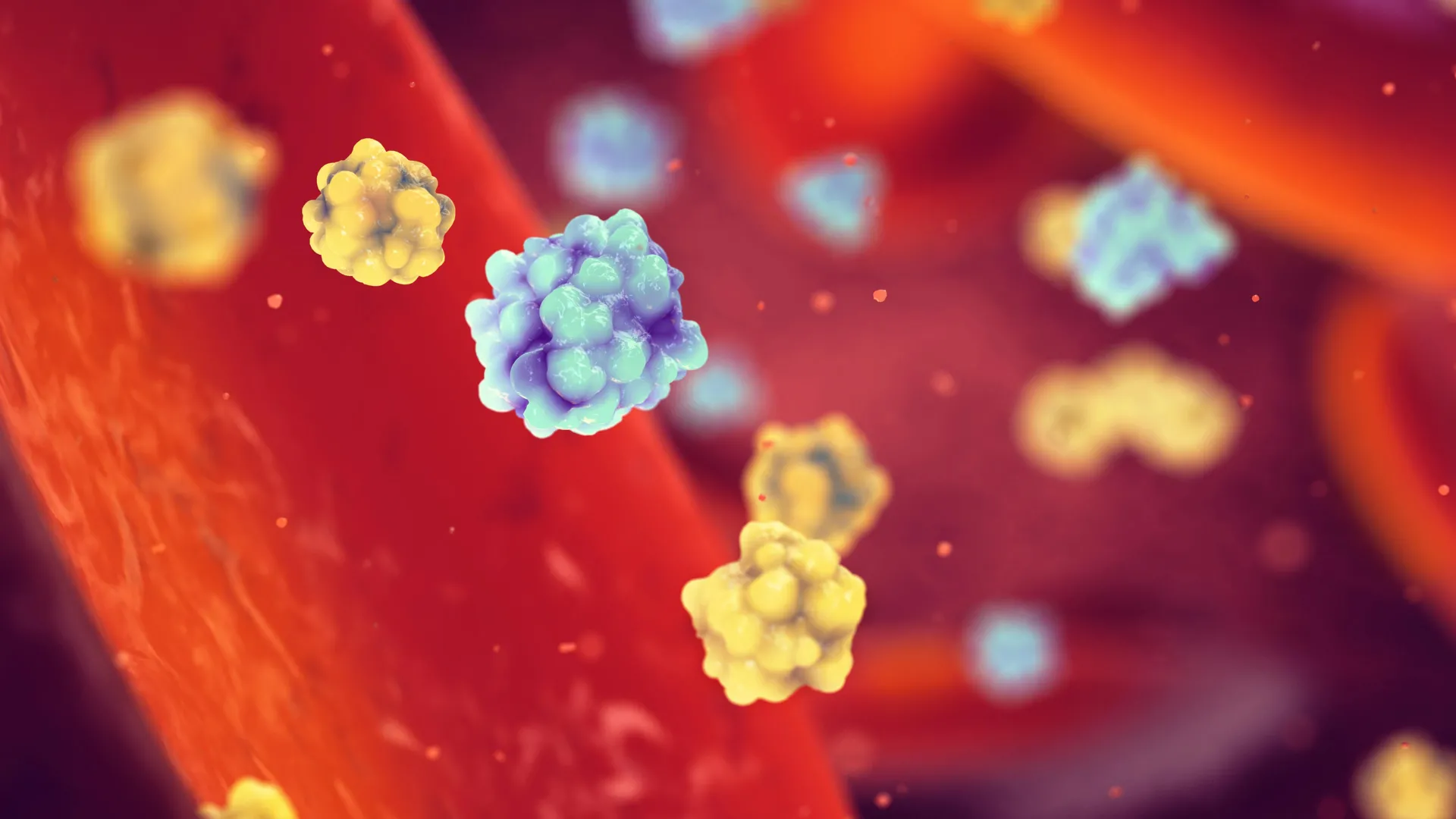
Miro1 and insulin response
Miro1, short for Mitochondrial Rho GTPase1, sits on the outer membrane of mitochondria, the energy-producing structures inside cells. Researchers found higher levels of the protein in skeletal muscles of people with type 2 diabetes.
Their findings suggest that excess Miro1 can impair how muscles respond to insulin, making blood sugar regulation more difficult. The work was published in Nature Communications and examined the protein in laboratory cells, preclinical models and people with diabetes.
Removing the protein in models
In preclinical experiments, researchers removed Miro1 and saw muscle responsiveness to insulin return. The results provide evidence that the protein contributes directly to impaired insulin response in those models.
The study’s senior author, Dr. John P. Kirwan, said the team had traced Miro1’s effects from cells and preclinical models to patients. He described the protein as a potential therapeutic target and said the work adds to understanding of exercise’s benefits.
Exercise and lower Miro1
A randomized controlled trial compared aerobic exercise with standard medical care among participants with obesity and type 2 diabetes. People in the exercise group had lower Miro1 levels in their muscles.
The decline coincided with improved insulin sensitivity and greater muscle capacity to produce energy. Researchers said the findings suggest that lowering Miro1 may be one way exercise helps the body respond to insulin.
Researchers and future treatments
First author Elizabeth Heintz is a doctoral candidate who worked in Pennington Biomedical’s Integrated Physiology and Molecular Medicine Laboratory. Co-corresponding author Christopher Axelrod has also moved to the Harold Hamm Diabetes Center. The findings raise the possibility of treatments targeting Miro1 alongside physical activity.
Key points
- Removing Miro1 restored insulin responsiveness in preclinical models.
- Exercise was linked to lower muscle Miro1 and improved insulin sensitivity.
- Researchers say Miro1 could become a target for treatments that complement exercise.