

Global political awakening: Gen Z protests are sweeping the world and reshaping power
Young people organize across borders
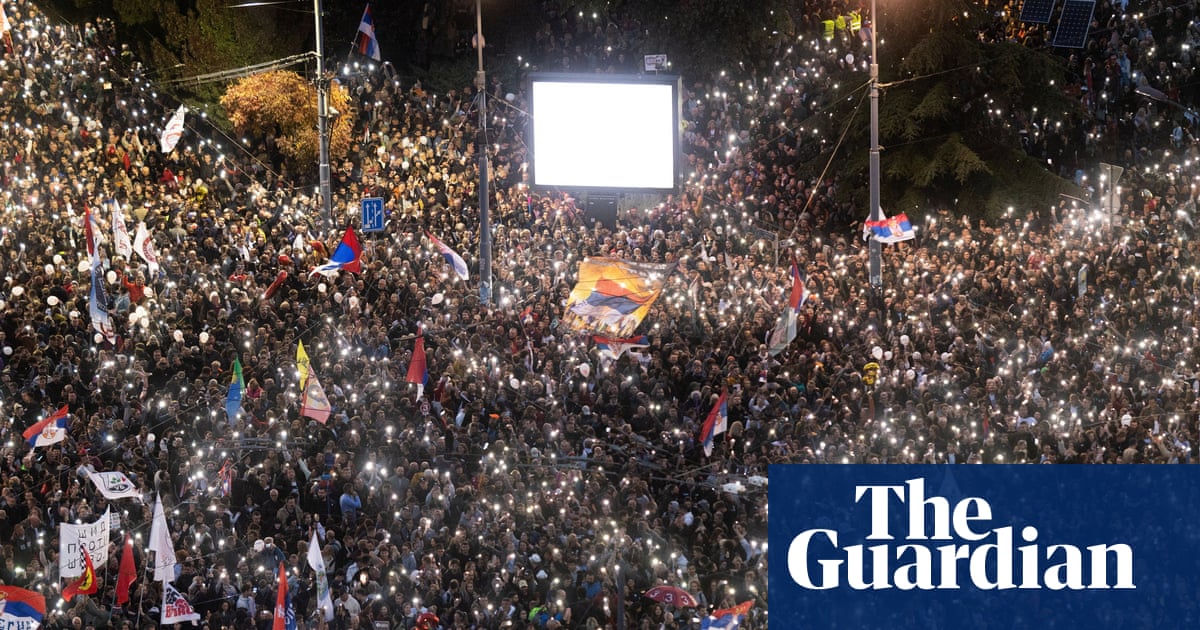
Gen Z activists have used a range of tactics to make their demands heard. In Brazil, millions rallied online through videos and memes; in Serbia, protesters cycled across Europe and completed ultramarathons.
Political scientist Erica Chenoweth said many young people are no longer willing to stand aside as political systems fail them. In a recent essay, she suggested the wave could signal a global political awakening.
Protests bring political change
In Dhaka, student demonstrations began in 2024 in opposition to a quota law, then grew into a broader challenge to Prime Minister Sheikh Hasina’s increasingly autocratic rule. Two months later, Hasina resigned and fled by helicopter.
In Serbia, the student movement moved from street protests into electoral politics. The article says students ousted Aleksandar Vučić in elections late last month, ending his party’s 14 years in power. In Brazil, online campaigning and street mobilization helped Luiz Inácio Lula da Silva return to the presidency last month.
Shared grievances, different contexts
Organizers described digital networks as central to mobilizing supporters: TikTok and X spread grievances, while Discord and group chats supported decentralized planning. They also cited virtual private networks and mirrored content as ways to work around internet shutdowns.
Analysts have linked the protests to a weakening social contract, though the causes vary. Arancha González, dean of the Paris School of International Affairs, said the belief that economies would deliver wellbeing and equality had been shattered in Europe.
A response marked by repression
In India, security forces detained thousands, used teargas and beat protesters with wooden clubs. Authorities also barricaded roads and shut internet and public transport in central Delhi in October to prevent gatherings.
Rights groups and lawyers in France say several teenagers were badly injured by police weapons. After Bangladesh’s 2024 protests, UN human rights experts said as many as 1,400 people had been killed, mostly by security forces, and thousands more sustained severe injuries.
Movements continue to spread
In Morocco, more than 2,000 people faced charges after the 2025 Gen Z 212 movement protested corruption, neglected public services and limited opportunities; many received harsh prison sentences. In Mexico, youth-led demonstrations over corruption and crime led to clashes with police and dozens of arrests.
Students have continued to campaign in the United States. Hundreds marched to the polls in North Carolina after a historically Black university was denied a polling site, while thousands elsewhere responded to the Cornell 7 case with class boycotts, protests and occupations.
Key points
- Gen Z, around a third of the world’s population, is mobilizing through street protests and online networks.
- Student protests in Bangladesh preceded Hasina’s resignation, while Serbia’s movement entered electoral politics.
- Young protesters have faced arrests, injuries and deadly force in several countries.
- Analysts connect the demonstrations to frustration with political systems and a weakening social contract.