

France’s Protests Could Push Political Extremes as Le Pen Gains Ground: 60 Minutes Transcript
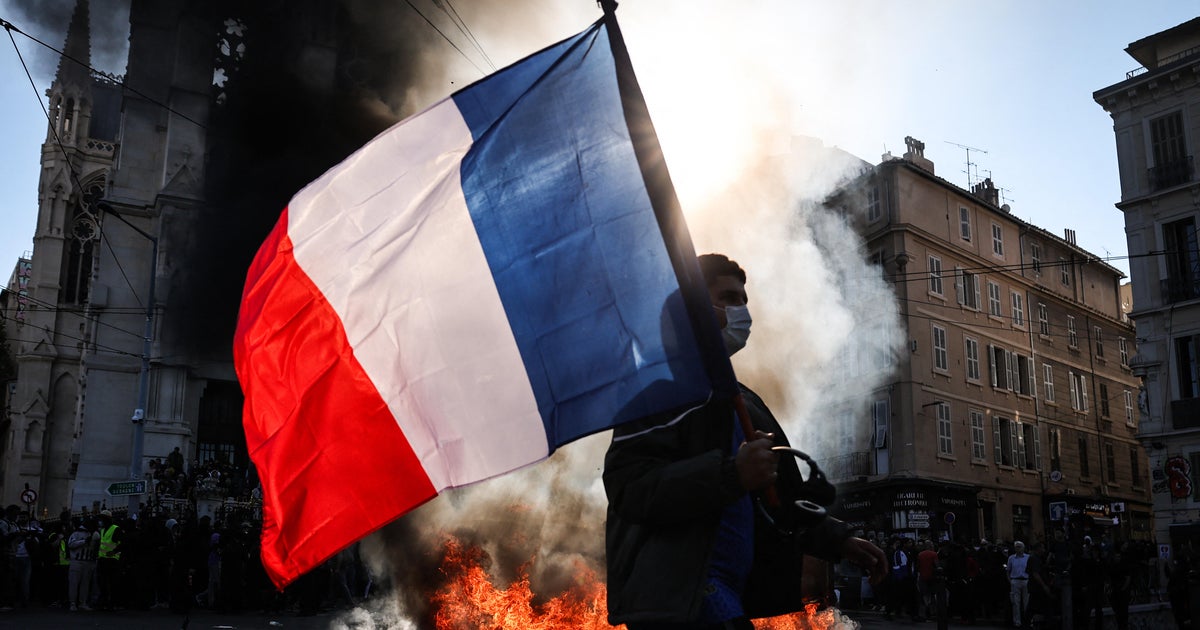
Student protest widens
Students at Saint-Ex began demonstrating over education funding. Malhia Garin said anger at everyday problems, including a lack of toilet paper at school, was part of the frustration.
The movement expanded into a broader challenge to economic inequality. Jack said protesters were pointing to wealth held by billionaires, business leaders and large corporations. Some demonstrators also voiced anger about capitalism and the state of French society.
Unrest shakes communities
France has a long history of street protests, but the recent violence has left many people jolted and confused by the government’s response. The demonstrations have included looting, clashes and damage to public property.
In Limoges, arsonists set fire to the town hall, which opened on Bastille Day in 1883. Jhemima Sheilha, who built a bakery business after immigrating from the Democratic Republic of the Congo, said the damage made her question whether rebuilding would be worthwhile.
Le Pen gains attention
Marine Le Pen leads the National Rally Party and has become a prominent figure in European right-wing populism. She is described as the favorite for next April’s presidential election after three earlier unsuccessful attempts, and her popularity has risen since the protests began.
Le Pen blamed the extreme left for violence while saying some high school students’ demands deserved attention. The unrest comes as voters increasingly consider political alternatives and express dissatisfaction with Emmanuel Macron, who was elected nearly 10 years ago and is now viewed by some as a lame duck.
Key points
- Student demonstrations over education funding grew into protests about economic inequality.
- Violence damaged businesses and public property, including Limoges’ historic town hall.
- Marine Le Pen’s popularity has risen since the demonstrations began.
- Voters’ frustration with Emmanuel Macron’s government has helped draw attention to political alternatives.