

Polar bears gathering close to a Canadian town: new tools help humans coexist
Why bears gather near Churchill
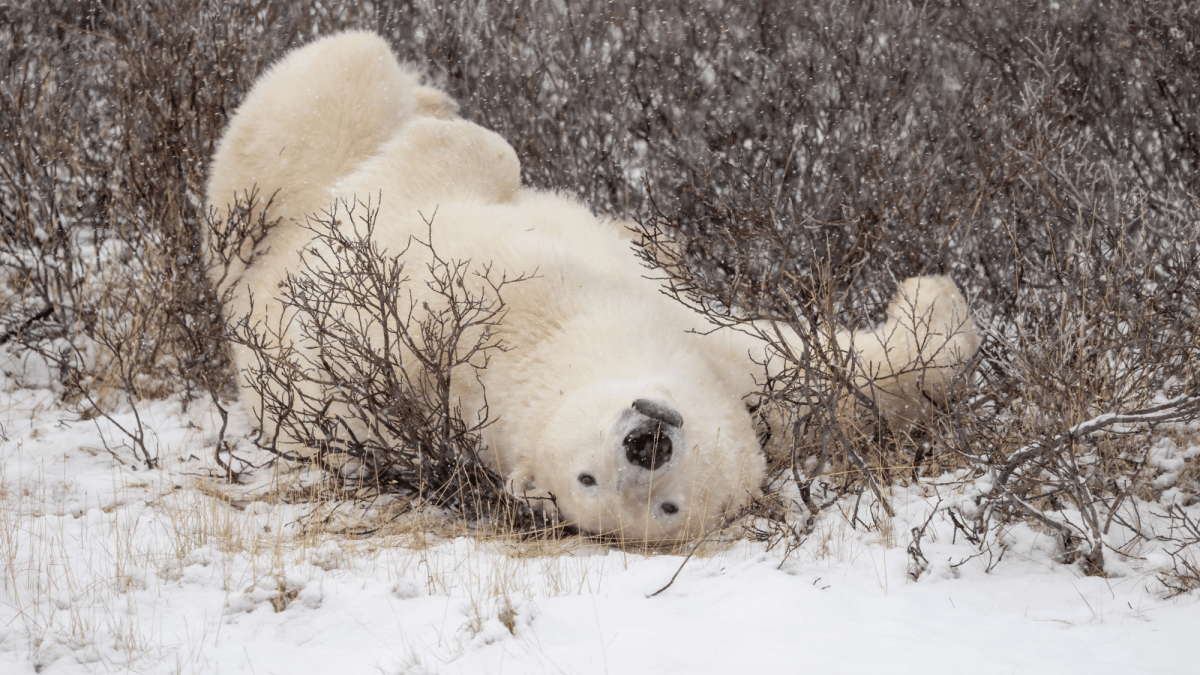
Polar bears are usually solitary, but each fall they gather along the coast near Churchill while waiting for Hudson Bay to freeze. The bay freezes first in this area, in part because of freshwater from the Churchill River and the effects of currents and winds, said Alysa McCall, science director at Polar Bears International.
Once the ice forms, bears can use it as a platform to hunt seals, their main prey. A video captured by the organization shows a bear on shore failing to catch a seal in the water.
Longer time on land
Climate change is extending ice-free seasons, making it harder for polar bears to reach their hunting grounds. In the Western Hudson Bay subpopulation, bears now remain on land around one month longer than their grandparents did.
The population has fallen by approximately half since 1979, with sea ice loss identified as the cause. More time on land also means more chances for bears and people to cross paths.
Managing encounters in town
Churchill is known as the Polar Bear Capital of the World, and residents see the seasonal gathering up close. Bears that are fasting may enter communities in search of food; trash bins and food smells can attract their attention, McCall said.
Polar Bears International is developing detection tools intended to support coexistence. Bear-dar, a medium-range detection radar, is being used at the Eureka Weather Station in Nunavut, while the team is testing Bear-vision at Churchill’s waste facility.
McCall said Bear-vision is cheaper and simpler to use than Bear-dar, operating like a doorbell camera that alerts people to a bear nearby. The team hopes to make it open-source, with wider access to bear-safe tools aimed at reducing negative encounters and keeping people and bears safer.
Key points
- Churchill’s coast draws polar bears each fall because Hudson Bay freezes there first.
- Sea ice loss has left Western Hudson Bay bears on land about a month longer than their grandparents.
- The Western Hudson Bay polar bear population has roughly halved since 1979.
- Polar Bears International is testing a bear-detection camera at Churchill’s waste facility.