

How Netflix’s 25-Episode Adaptation of a Classic Book Series Delivers Perfect Worldbuilding
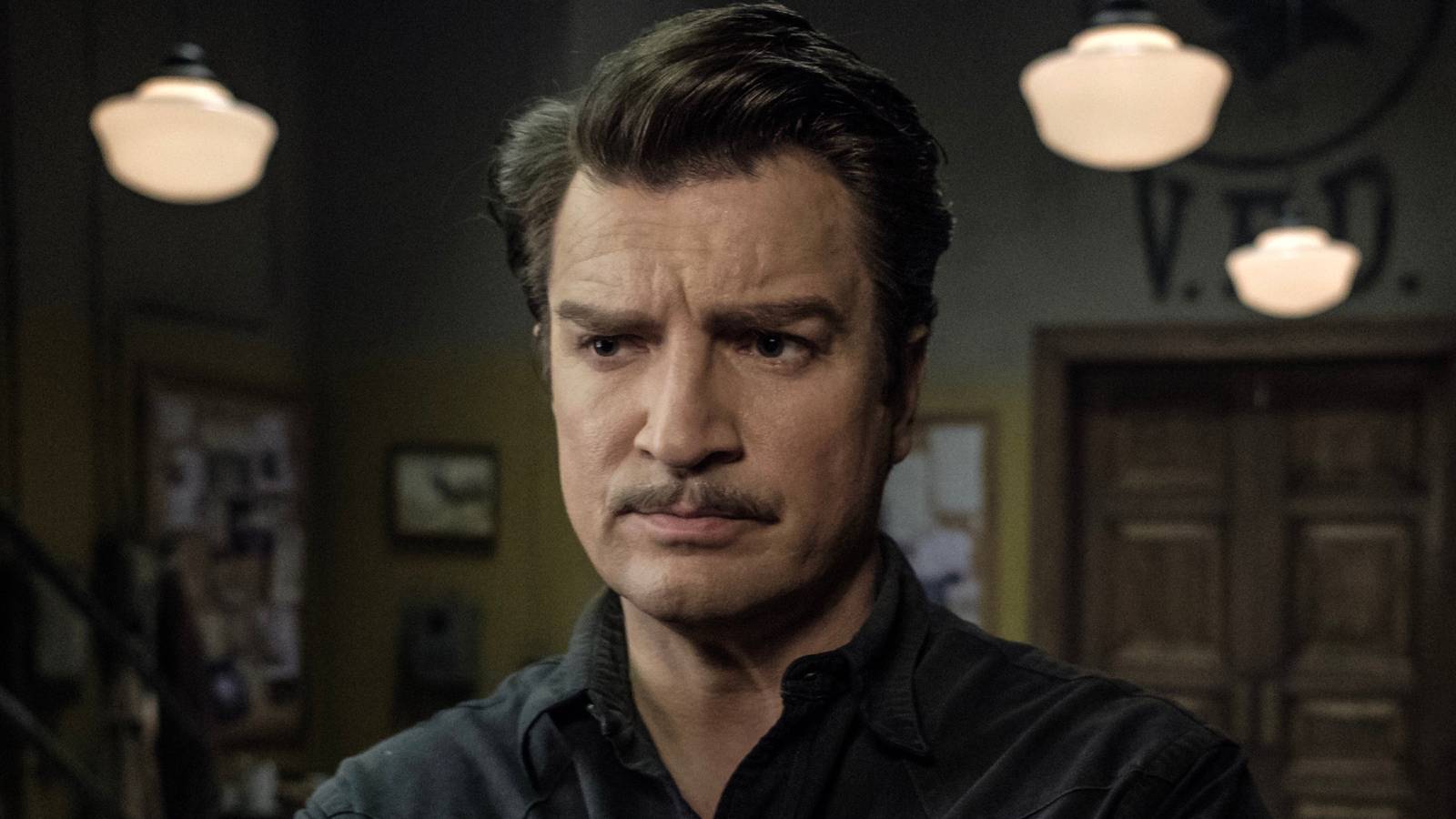
A familiar world turned strange
Violet, Klaus and baby Sunny Baudelaire are moved among adoptive parents and foster families after their parents die. Count Olaf pursues them, while authorities fail to stop his schemes or keep the children safe.
The show’s world resembles reality but presents a disturbing version of it. Its caregivers and institutions operate with alarming incompetence, while adults treat obvious dangers as ordinary.
Details that unsettle viewers
Exaggerated sets make everyday places feel threatening. Even a cheerfully decorated living room can seem capable of swallowing children whole. The series also mixes details from different historical periods. Telegraphs and walkie-talkies appear as if they are current devices, alongside varied fashions and architecture.
Narration and literary roots
Patrick Warburton plays Lemony Snicket, whose solemn narration includes personal regrets and information he cannot yet reveal. His digressions suggest stories beyond the Baudelaire children’s immediate troubles and give the world a sense of history.
The series adapts Daniel Handler’s 13 novels, published under the name Lemony Snicket. Its worldbuilding draws on the books while carrying their sinister humor and theatrical atmosphere to the screen, without magic or supernatural elements.
Key points
- The Netflix series created its distinctive setting in 25 episodes across three seasons.
- The Baudelaire orphans face Count Olaf and a system that repeatedly fails to protect them.
- Mixed-era technology, unsettling sets and solemn narration make the familiar feel strange.
- The show adapts Daniel Handler’s 13 novels, published as Lemony Snicket.