

Why Stephen King’s 13-Part Remake of a Lovecraftian Classic Falls into the Shadow of the Original
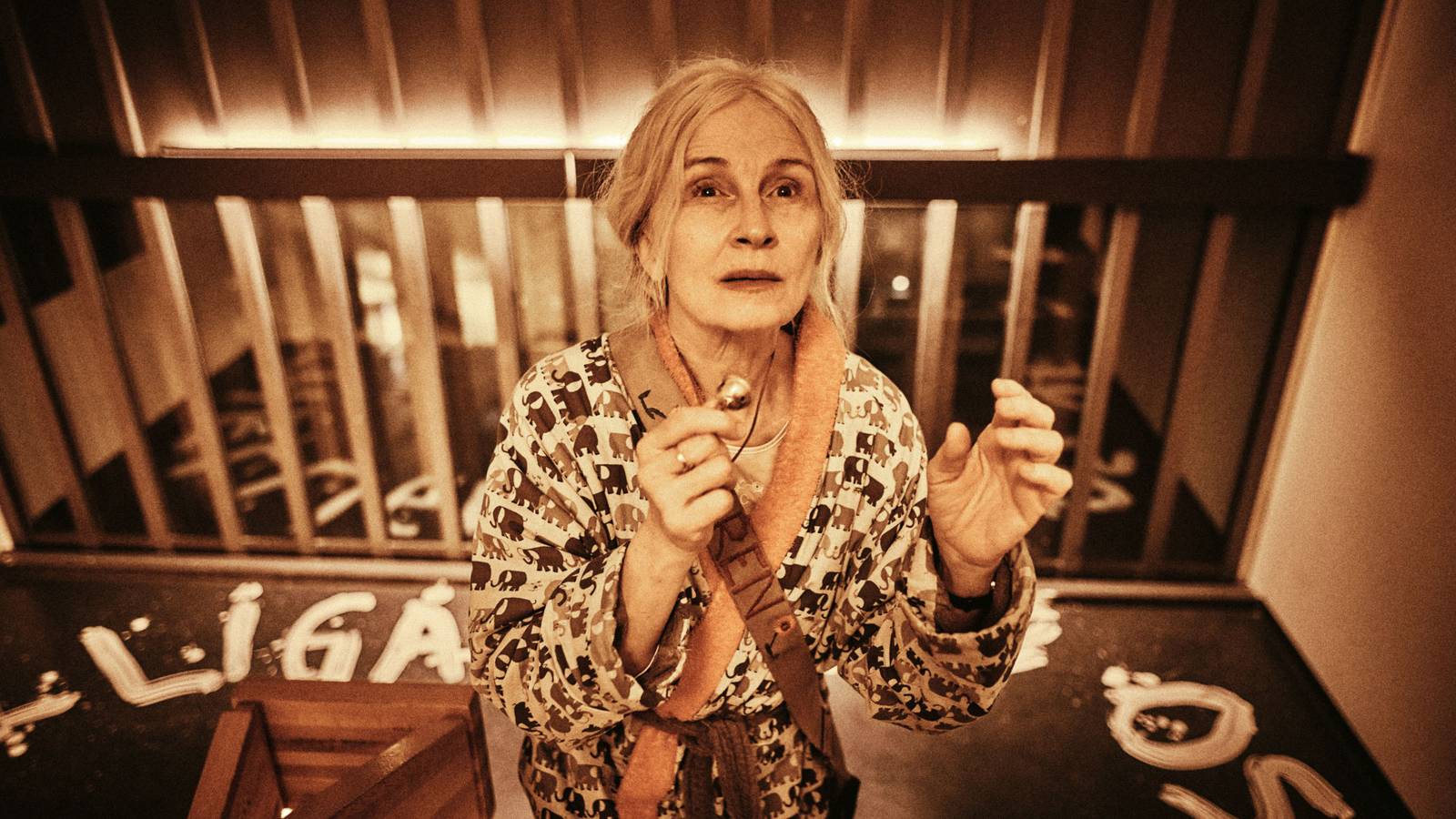
A strange hospital story
Lars von Trier’s The Kingdom unfolds in a hospital where staff and patients encounter supernatural events. Its 13 episodes were released across three seasons, beginning in 1994; the final season resolved a cliffhanger after a 25-year wait.
The series is known for its sepia look and unsettling, often chaotic atmosphere. In Danish, its title is Riget, meaning “the realm.” The story’s mysteries include a ghostly ambulance and a pathologist who wants to keep a cancerous liver as a trophy.
What the remake changed
Kingdom Hospital drew on The Kingdom’s premise, but it used more familiar horror patterns and reduced the original’s distinctive strangeness and dark satire. It received two Emmy Award nominations, including one for visual effects, but the story did not offer much new to television.
The remake also shifted attention toward a tormented writer, a recurring kind of character in King’s work. That choice changed the balance of the story, making it feel more centered on King than on a fresh interpretation of von Trier’s series.
The missing resolution
Kingdom Hospital adapted only the first season of The Kingdom, leaving out the payoff that viewers of the original had awaited. Its many subplots could therefore feel confusing beside the Danish series’ broader arc.
The Kingdom won 19 of the 25 awards for which it was nominated. Its supernatural events remain mysterious rather than leading to a tidy solution, giving the show a sense of cosmic horror that the remake did not fully capture.
Key points
- The Kingdom began airing in 1994 and ran for three seasons and 13 episodes.
- Kingdom Hospital adapted the first season of von Trier’s series.
- The remake received two Emmy nominations, including one for visual effects.
- The Kingdom won 19 of the 25 awards for which it was nominated.