

Israel’s Eisenkot Gets First Chance to Form Government After Vote
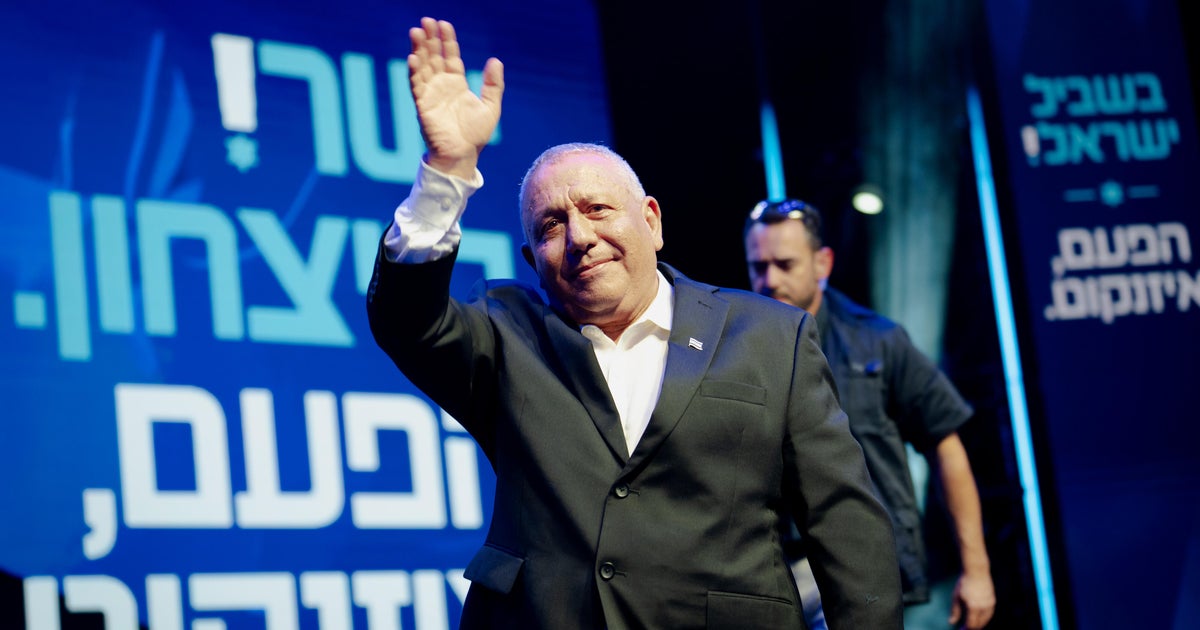
Eisenkot receives first mandate
Herzog announced Saturday night that Eisenkot would have the first chance to assemble a government. The decision followed discussions with representatives of Israel’s main parties, most of whom backed giving Eisenkot the task.
The election left both Eisenkot and Netanyahu without a clear majority. Coalition negotiations will determine whether either side can gather enough support to govern.
Arab parties may prove pivotal
The two largest Arab parties’ leaders said they were prepared to help Eisenkot’s opposition bloc remove Netanyahu from power. Yet most Jewish-led parties opposing Netanyahu had pledged before the election not to depend on Arab parties to form a government.
Eisenkot has signaled openness to working with Arab-led parties if they accept conditions, including describing Hamas as a terrorist organization that should be destroyed. Netanyahu and his allies have repeatedly characterized those parties as a national security threat.
Election concerns and coalition dispute
The Central Elections Committee’s acting director-general, Din Livne, wrote Thursday that claims of systematic damage to election integrity had no basis. The letter was addressed to a committee member.
Eisenkot’s Yashar party criticized a video by Netanyahu and called on Likud members to reject their partnership with what it termed radical parties. The statement appeared to refer to settler-linked and ultra-Orthodox groups in Netanyahu’s religious-nationalist coalition.
Netanyahu remains caretaker premier
Netanyahu, who received an enthusiastic endorsement from President Trump, will stay on as caretaker prime minister while coalition talks continue. That arrangement will last until a new government is formed.
If parties cannot reach an agreement, Israel will need to hold the election again. Netanyahu would remain prime minister during the interim.
Key points
- Herzog gave opposition leader Gadi Eisenkot the first opportunity to form a government.
- Neither Eisenkot’s bloc nor Netanyahu’s won a clear majority in the Oct. 27 election.
- Arab parties could help determine whether Eisenkot can assemble a coalition.