

How Philosophy and Science Blend in Beautiful Wildlife Photography
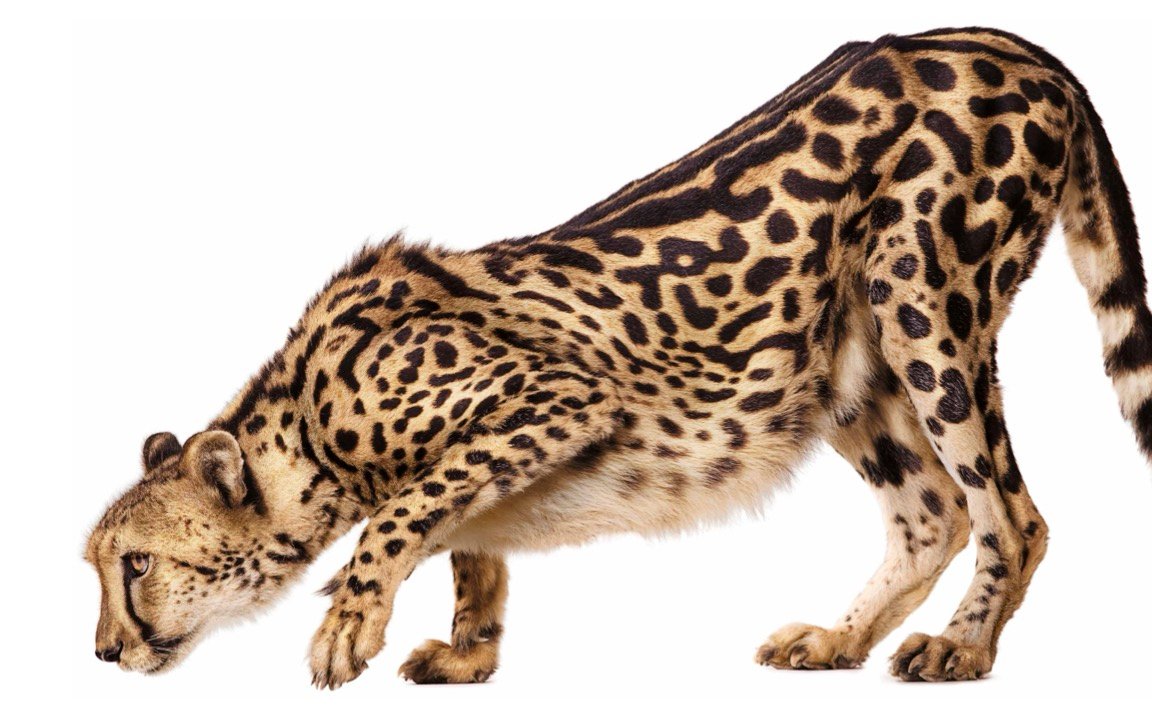
A lifelong way of looking
Andrew Zuckerman says photography has been a constant in his life since childhood, when he spent time in his parents’ basement darkroom. He describes the camera as a tool that slows him down and encourages a deeper understanding of his subjects, especially other forms of life.
He places this interest within a long human tradition of depicting animals. Cave paintings at Chauvet and Lascaux show creatures in detailed scenes, while later cultures represented animals in Egyptian art, Greek pottery and medieval manuscripts.
When nature left its mark
Photography brought a major change to the depiction of the natural world, Zuckerman writes. In 1843, Anna Atkins published Photographs of British Algae: Cyanotype Impressions, using sunlight and treated paper to produce blue-and-white images of algae.
William Henry Fox Talbot’s The Pencil of Nature followed a year later. Talbot described its images as “sun-pictures,” emphasizing that light, rather than an artist’s pencil, had made them. Zuckerman presents these early photographic methods as a new way to observe and record nature.
Life in motion
In 1859, Charles Darwin published On the Origin of Species, proposing that variation, adaptation and transformation were fundamental to life. Zuckerman connects this view of life as change with Atkins’s images of plants.
By the late nineteenth century, Cherry Kearton was finding ways to photograph wildlife at close range, including using hollowed-out ox carcasses and bird-shaped blinds. In the early twentieth century, Eadweard Muybridge’s studies captured details of animal movement, while Jacques Cousteau’s ocean documentaries introduced distant species to general audiences.
Images that encourage care
By the late twentieth century, nature photography and film had become more than ways to see wildlife, Zuckerman writes. They also shaped public awareness of endangered species, disappearing habitats and vulnerable ecosystems.
Across this history, images have helped people observe animals and plants in new ways. Zuckerman’s account follows a shift from depicting nature to recording its presence, movement and changing conditions.
Key points
- Andrew Zuckerman traces human depictions of animals from ancient cave art to photography.
- Anna Atkins used sunlight to create cyanotype images of algae in 1843.
- Muybridge and Cousteau brought animal movement and distant species to wider audiences.
- By the late twentieth century, nature images helped raise awareness of ecological threats.