

11 Godzilla Versions, Different Eras: How the King of Monsters Changed
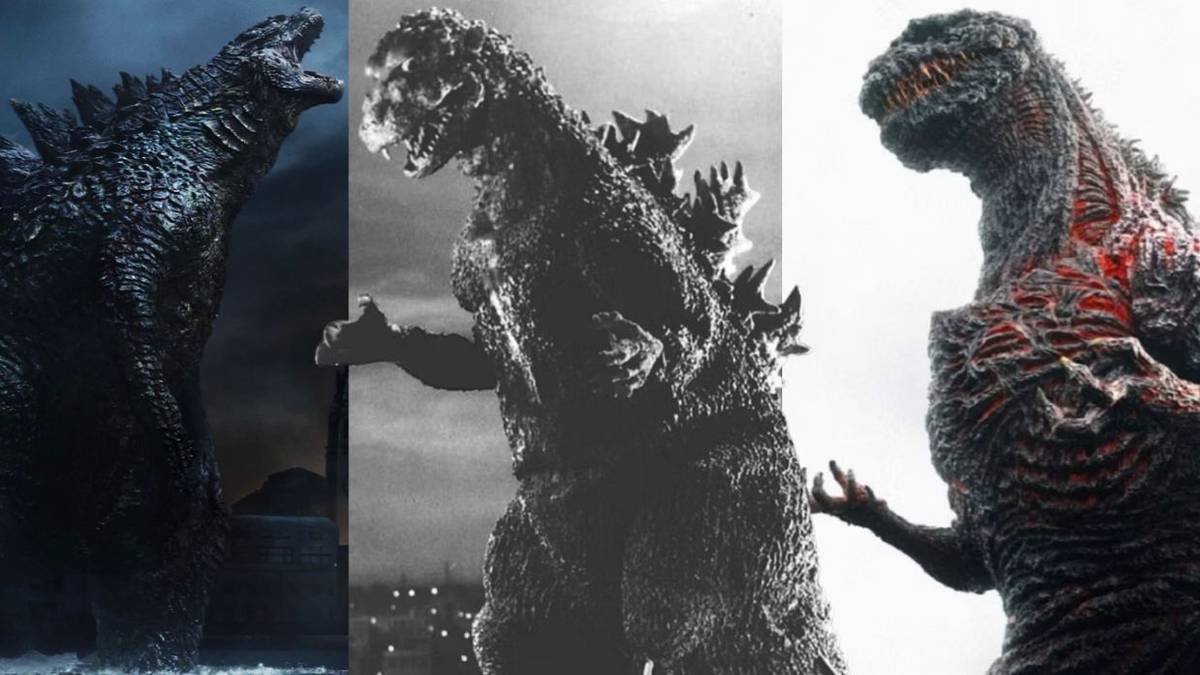
The original nuclear allegory
Toho introduced Godzilla in 1954, less than a decade after the atomic bombings of Hiroshima and Nagasaki. The film portrayed a giant monster mutated by radiation from a U.S. military test in the Pacific Ocean, making the character a response to nuclear weapons and their consequences.
The first Godzilla established features associated with the character, including back spikes, atomic breath, a distinctive face and roar, and a familiar body shape. He did not fight another monster in that film and was killed by the Oxygen Destroyer.
Showa era changes
Godzilla Raids Again, released in 1955, revealed a second Godzilla. This incarnation appeared in more than a dozen films, and its design underwent modest changes over time, including adjustments to the head. Budget limitations affected the quality of some suits.
Toho shifted Godzilla into a heroic role in 1964’s Ghidorah, The Three-Headed Monster, aiming to appeal to younger audiences. He retained a brutal side but also gained a more playful personality. The hero portrayal continued through Terror of Mechagodzilla in 1975.
A darker Heisei Godzilla
Return of Godzilla brought the character back in 1984 with a more serious, menacing presentation. The Heisei-era design kept the basic look but gave him darker scales and larger thighs; the films returned him to the role of an enemy of Japan.
In the 1990s, Godzilla became an anti-hero, with the government often trying and failing to defeat him. This incarnation was separate from the continuity of the second Godzilla. He also adopted a juvenile of his species, introducing another version of the character.
The disputed Hollywood adaptation
The first Hollywood adaptation arrived in 1998 and drew criticism from fans and Toho. The account says director Roland Emmerich felt the original Godzilla was not right for his approach, and the film instead presented a giant, mutated iguana.
This creature was smaller than Godzilla and lacked the franchise character’s distinctive physical traits. Critics viewed the animal-like portrayal as a departure from Godzilla’s identity as a monster.
Key points
- Godzilla began in 1954 as an allegory for the dangers of nuclear weapons.
- The character’s role shifted from villain to hero and later anti-hero.
- Design changes across the Showa and Heisei eras reflected different takes on Godzilla.
- The 1998 Hollywood adaptation was criticized for making Godzilla more animal-like.