

Habibi in the victory speech: Arabs celebrate El-Sayed’s pointed term of affection for JD
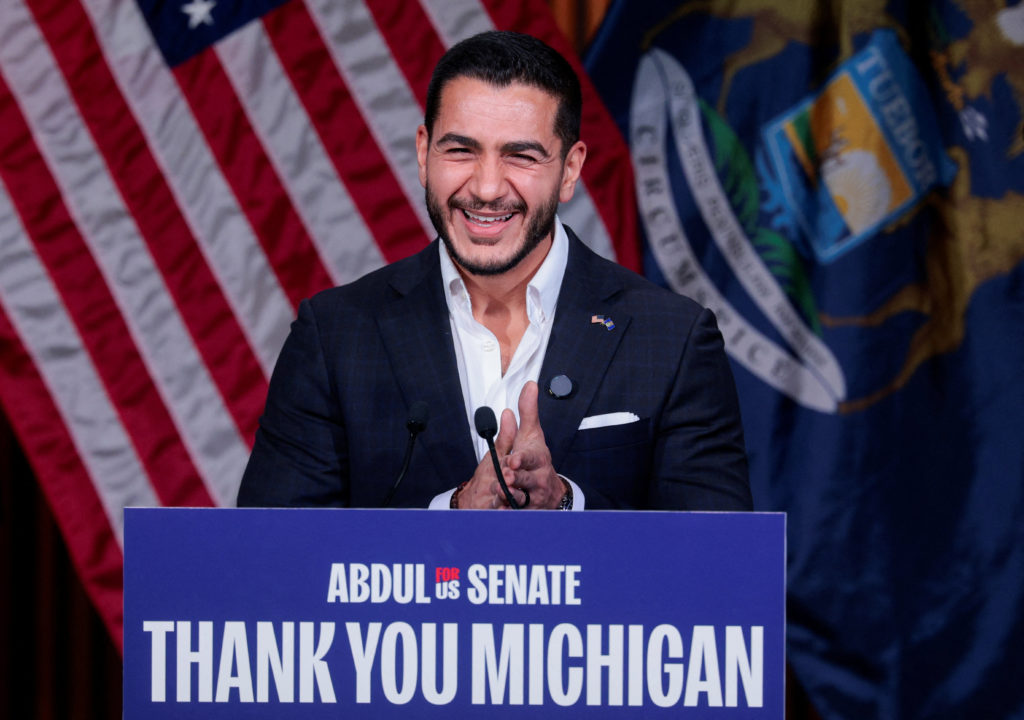
The word behind the celebration
“Habibi” literally means “my beloved” and appears in Arab pop songs. In everyday conversation, it can also mean “buddy,” “pal” or “bro.” El-Sayed supporters wore shirts that read “Habibi for Abdul.” El-Sayed also said his campaign had turned “inshallah,” or “God willing,” into “hamdulillah,” meaning “thank God.” The expressions brought Arabic words into the American political conversation.
Humor spreads online
Many Arab users shared music-video clips featuring “habibi” after the speech. One X user posted Egyptian singer Shireen Abd El-Wahab dancing, joking that El-Sayed would make the song the new national anthem.
Others shared a meme from an Egyptian film about a man at a funeral who cannot stop laughing. Its caption, “I came here to crack jokes,” echoed the speech’s humor. Egyptian academic Khalil al-Anani praised the word as “the sweetest,” and thanked El-Sayed for bringing joy to Egyptians.
A contrast with campaign attacks
The reaction came against a backdrop of prejudice faced by Arab and Muslim Americans. During the campaign, Trump called El-Sayed a “jihadist,” invoked the Sept. 11 attacks and deliberately misstated his name.
El-Sayed had also faced Islamophobic rhetoric from the right while championing the Palestinian cause and drawing on his Muslim faith and Egyptian heritage. Social media users answered attacks with light-hearted videos, including clips of Lebanese singer Haifa Wehbe and young veiled women breakdancing.
Key points
- El-Sayed’s “JD, habibi” line became a focus of celebration across the Arab world.
- “Habibi” can mean “my beloved,” “buddy,” “pal” or “bro.”
- Social media users shared music clips and Egyptian film memes after the speech.
- El-Sayed faced Islamophobic rhetoric and attacks on his name during the campaign.