

Blue wave: Does it mean lower gasoline and diesel prices soon? Hold your breath cautiously
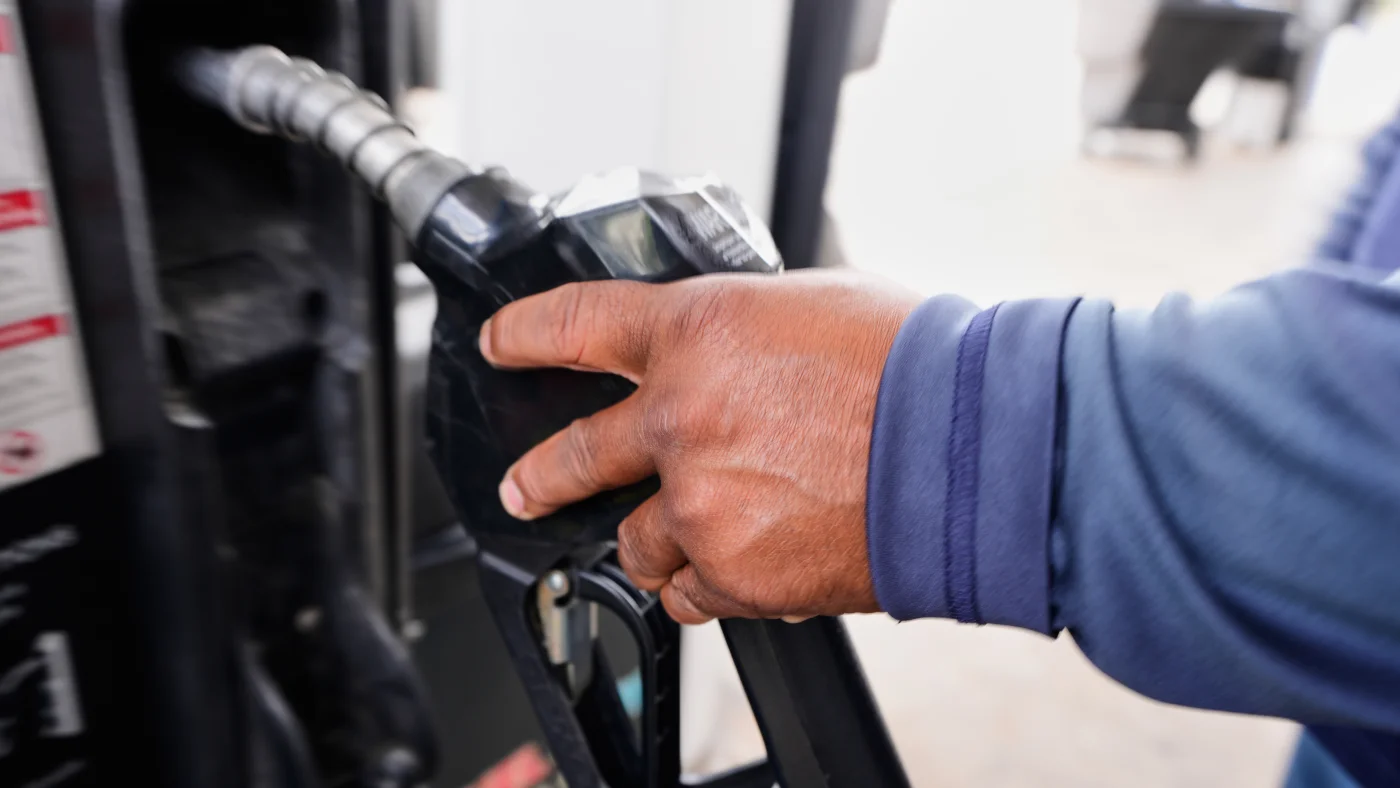
Fuel costs remain elevated
The war in Iran disrupted traffic through the Strait of Hormuz, a route that carried about one fifth of the world’s oil before the conflict. Brent crude climbed from about $70 a barrel in late February, hovered near $110 for months and now stands close to $95.
The rise has fed into fuel prices and broader costs in a country reliant on trucking. Gas averages $4.12 a gallon, about $1 more than a year ago. Diesel reached a record $6.52 in September and remains roughly $2.50 above its level at this time last year, according to AAA.
Congress has limited leverage
The new members of Congress will not take office until January. Once seated, lawmakers have limited ability to directly change oil prices, which depend on a complex global market.
Before the midterms, federal efforts to ease fuel costs came largely from the White House. President Trump loosened rules for dyed diesel, generally used in farming, and temporarily lifted sanctions to allow more Russian diesel into global markets. Neither step substantially changed prices.
Democrats may challenge war policy
A Democratic Congress could make it harder to approve additional war spending and press the administration to end the conflict. Senate Minority Leader Chuck Schumer said Democrats were focused on ending the war and lowering living costs, adding that “relief is on the way.” Claudio Galimberti, chief economist at Rystad Energy, wrote that both chambers could pass resolutions, set conditions on war spending and delay confirmations of key officials. However, Trump can veto legislation and retains authority over military strikes, blockades, sanctions and licenses, said Jorge León, Rystad Energy’s head of geopolitical analysis.
Peace could shift oil markets
Trump has sent mixed signals about whether he intends to end or intensify the war. He warned Gulf Arab countries to prepare for a possible new campaign, and the U.S. struck Qeshm, an island used by Iran to launch attacks, on Nov. 2.
Key points
- Gas averages $4.12 a gallon, about $1 more than a year ago.
- Diesel remains roughly $2.50 above its price at this time last year.
- A new Democratic Congress could constrain war spending but cannot set global oil prices.
- Traders may react to a lasting peace deal and a reopening of the Strait of Hormuz.