

Democrats’ huge midterms win means gridlock for Trump, with data centers, tariffs and the US economy in focus
Washington faces gridlock
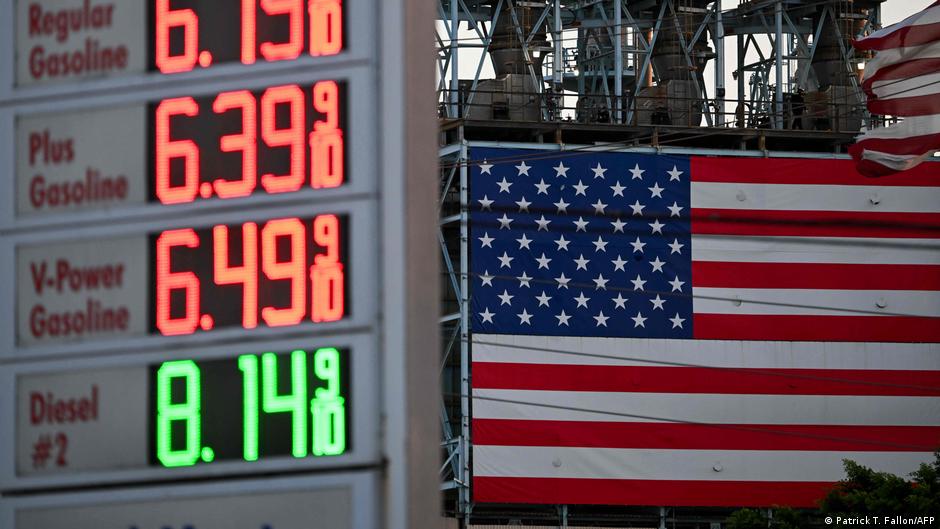
The economy was the leading issue for many voters in the midterm elections. Democrats’ victories gave the party comfortable majorities in the House and Senate, but Trump has two years left in his term.
Trump has said he would act as “Mr Veto,” blocking legislation advanced by Democrats. Capital Economics’ Stephen Brown said the results did not greatly alter the near-term policy outlook, given the Senate’s filibuster rules and Trump’s veto power.
Jacob Funk Kirkegaard of the Peterson Institute for International Economics predicted two years of complete gridlock. Initial market moves were subdued but negative, with global stocks and the dollar falling slightly.
Data center opposition grows
Opposition to data centers, which support artificial intelligence, helped Democratic candidates win in several places. Investors are concerned that Democrats could pursue AI regulation, particularly if the party wins the White House in 2028.
Kirkegaard said local resistance could make new data centers harder to build, potentially affecting technology companies that have gained from the AI boom. He argued that the election signaled weaker political support for rapid AI expansion, without meaning the technology would stop or become illegal. Brown said a Democratic president in 2028 could pursue higher taxes on corporations and high-income people, as well as rules that might delay AI development.
Tariffs remain difficult to change
A Pew Research Center poll from early October found that 56% of Americans expected Trump’s tariffs to have mostly negative effects, while 20% expected mostly positive ones. Tariffs were especially consequential in states with export-dependent industries or substantial trade with Canada, including Texas, Michigan, Iowa and Illinois.
Congress has constitutional authority over tariffs, but laws have given presidents powers to impose them under conditions such as national security or economic emergencies. Trump has used those authorities and can continue to do so, despite some legal rebukes.
Democrats may not be able to end existing tariffs outright, but they can take further legal action to limit additional escalation. Trade policy expert Deborah Elms said Trump was likely to continue his tariff approach while in office.
Key points
- Economic concerns were the top issue for voters, and Democrats won majorities in both chambers of Congress.
- Trump’s veto power and Senate rules make major legislative change difficult in the near term.
- Opposition to data centers may complicate AI expansion and affect technology companies’ valuations.
- Polling found more Americans expected negative than positive effects from Trump’s tariffs.