

10 Best Swords of Middle-earth, Ranked by Power and the Stories Behind Them
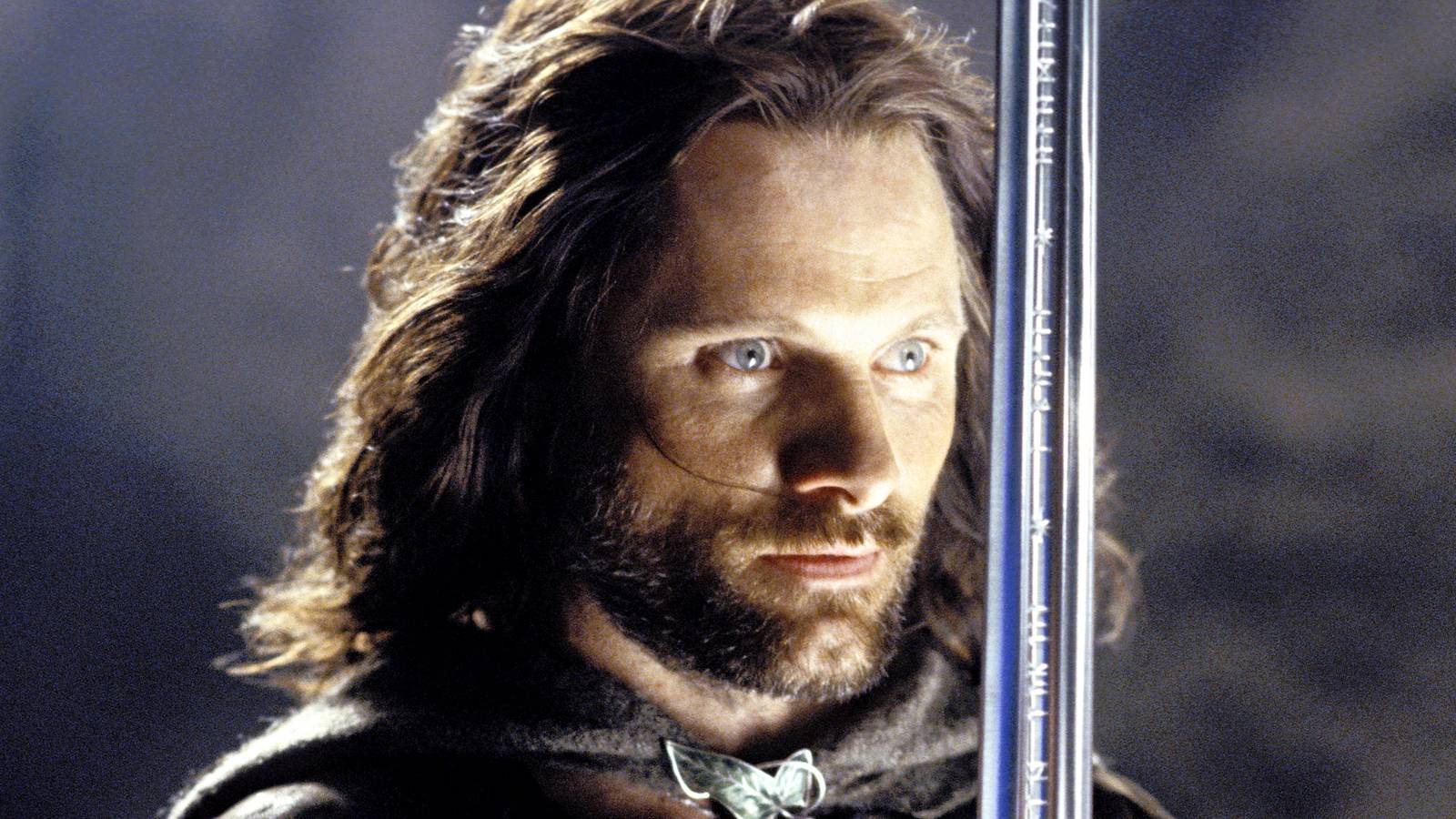
Royal blades and legacies
Herugrim served the Kings of Rohan for five centuries. Its green-gemmed golden scabbard and lasting sharpness distinguish the old sword, which King Théoden carried in the defence of Helm’s Deep and the Battle of the Pelennor Fields.
The blade has no magical powers, but its long service gives it symbolic weight. Its history links two lines of kings and reflects the resilience of humans in a world shared with elves, orcs and other beings.
A sword passed down
Aranrúth, meaning “King’s Ire,” belonged to Elwë, later known as King Thingol of Doriath. After his death and the kingdom’s destruction, his descendants inherited the sword; it eventually became the weapon of Númenor’s rulers.
Blades from Gondolin
Eöl, a renowned First Age elven smith, forged Anguriel and its twin Anglachel from a meteorite. Anguriel was his own weapon until his son Maeglin took it; it was later lost during Gondolin’s fall. The pair could cut through iron and steel, though Anguriel itself is not recorded in battle.
Gondolin also produced Sting and Orcrist. Bilbo named Sting and later gave it to Frodo; the blade glowed near orcs, and Sam used it to wound Shelob as she attacked Frodo. Orcrist, called the Goblin-cleaver, earned its name in the Goblin Wars before being lost when Gondolin fell.
Key points
- Herugrim’s importance comes from its long service to the Kings of Rohan, not enchantment.
- Aranrúth passed from Thingol’s descendants to the rulers of Númenor before being lost.
- Anguriel and Anglachel were meteorite-forged blades capable of cutting iron and steel.
- Sting glowed near orcs, while Sam used it against Shelob.