

WA police facial recognition trial scans a million faces, leading to 122 arrests
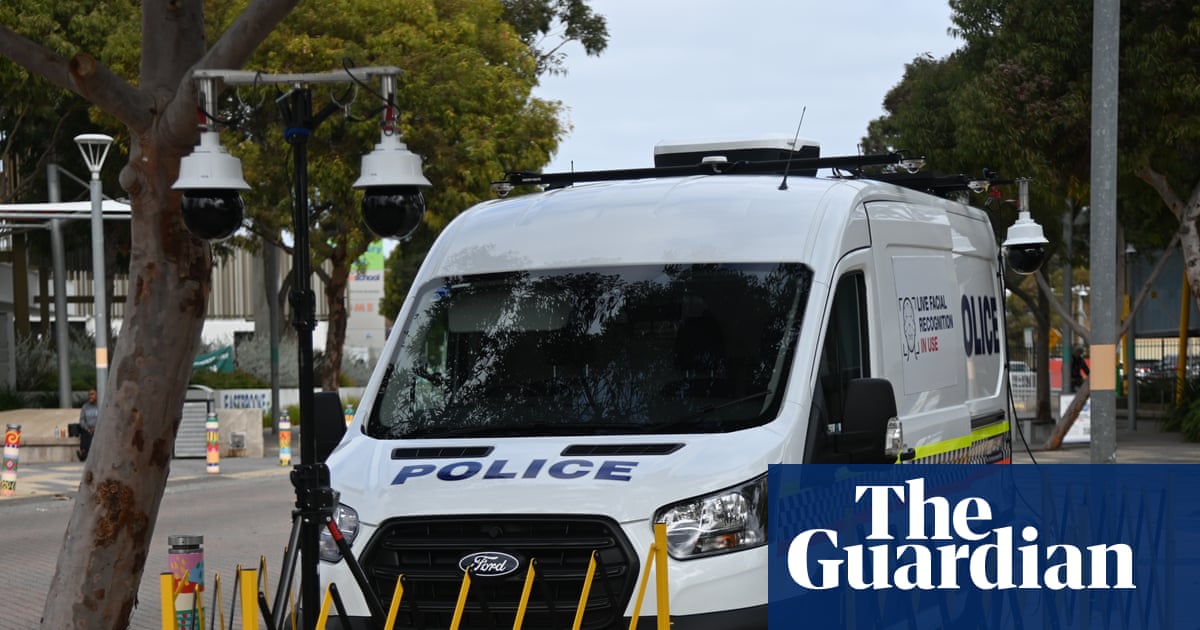
Trial results across Western Australia
Over five months, police deployments of surveillance vans scanned more than a million faces across Western Australia. The trial resulted in 122 arrests and nine incorrect alerts, according to police figures.
Commissioner addresses false alerts
WA police commissioner Col Blanch said officers engaged with each person who was the subject of an incorrect match. He described the number as very low, while acknowledging the aim would be to eliminate errors.
Blanch said the approach was comparable to officers responding when a person is thought to be wanted. He also said the final incorrect-match rate would only be known once the 122 people arrested had their day in court.
Civil liberties and safeguards questioned
Sarah Schwartz, legal director at the Human Rights Law Centre, said an incorrect match can lead to a person being stopped, questioned or investigated. She questioned whether surveillance on this scale was proportionate in a democratic society and raised concerns about vans being used at demonstrations.
Schwartz also criticised the limited public information about safeguards, misuse, bias and accountability. The trial has faced earlier backlash over privacy and algorithmic bias; experts have said facial recognition may affect marginalised groups disproportionately, and that historical false-match rates have been higher for people with darker skin tones.
Police describe trial’s purpose
Blanch said the trial aimed to use modern technology responsibly to identify people considered a risk while limiting effects on the wider public. The concerns raised by advocates and experts remain focused on how the technology is governed and how errors are addressed.
Key points
- Police scanned more than a million faces in a five-month Western Australia trial.
- The trial recorded 122 arrests and nine incorrect alerts.
- Officers engaged with 146 registered sex offenders and located 10 people for welfare checks.
- Civil liberties advocates questioned the safeguards, privacy effects and potential bias of the technology.