

Aloe found in ancient Egyptian mummy skull for the first time
Evidence in two artifacts
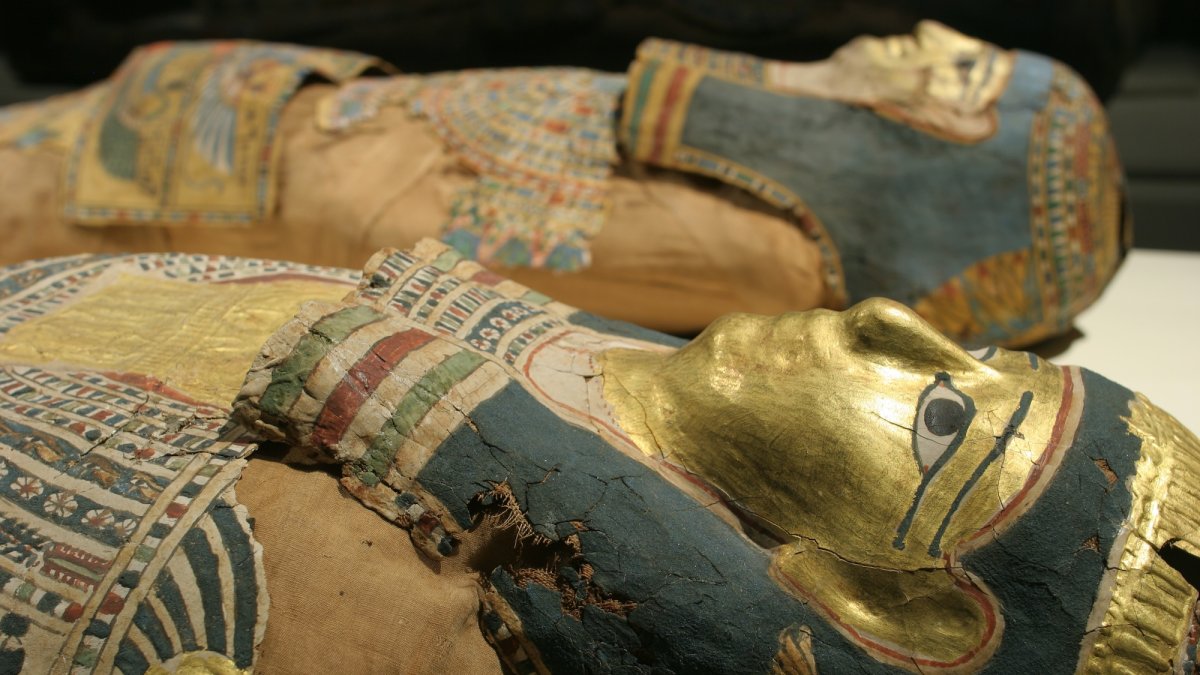
The researchers examined 24 historically related objects held by institutions. Among them were an Egyptian skull dated to the 8th century BCE and an 18th-century Mumia preparation at Heidelberg Pharmacy Museum.
Only two objects contained traces of aloe. The study, published in Proceedings of the National Academy of Sciences, offers the first molecular evidence of mummy-related materials directly derived from aloe. The results do not establish how often the plant was used in embalming or Mumia.
A changing name for aloe
The term “aloe” was historically used for plants outside the Aloe genus, including agarwood. Tanja Pommerening, a study co-author and director of Marburg University’s Institute for the History of Pharmacy and Medicine, said the finding in Mumia is significant. Some researchers had thought medieval Mumia recipes drew on biblical references, including John 19:39, which mentions a “mixture of myrrh and aloes.” Pommerening said the results suggest the connection could have deeper historical roots.
From wound care to cure-all
Mummification methods varied across cultures and eras, and Egyptian practices developed over generations. Researchers have identified ingredients from minerals, animals and plants, including conifer tars and resins, oils, fats, beeswax and bitumen.
The history of Mumia may trace to a 12th-century translation error. Persian pharmacists used a black pitch called mumiya for wounds, but Latin translators confused it with dark materials used in Egyptian mummification. Powdered mummy remains were subsequently traded for centuries as a cure-all, and sometimes as an aphrodisiac.
Further research planned
The researchers said aloe use may have depended on the period or on whether the plant material was available. With traces found in just two of the 24 objects, its prevalence remains unclear.
Study co-author Raphael Reher, a Marburg University biologist, said the team aims to study the composition of ancient medicines and embalming materials, as well as their production, use, historical transmission and cultural context. The researchers plan to examine more historical objects.
Key points
- Aloe-associated material was identified in a 2,700-year-old Egyptian mummy skull.
- The study provides the first molecular evidence of aloe-derived material in mummy-related remains.
- Only two of 24 objects examined contained traces of aloe.
- Researchers plan to analyze additional historical objects.