

What voters should know about the US economy as midterm elections draw near
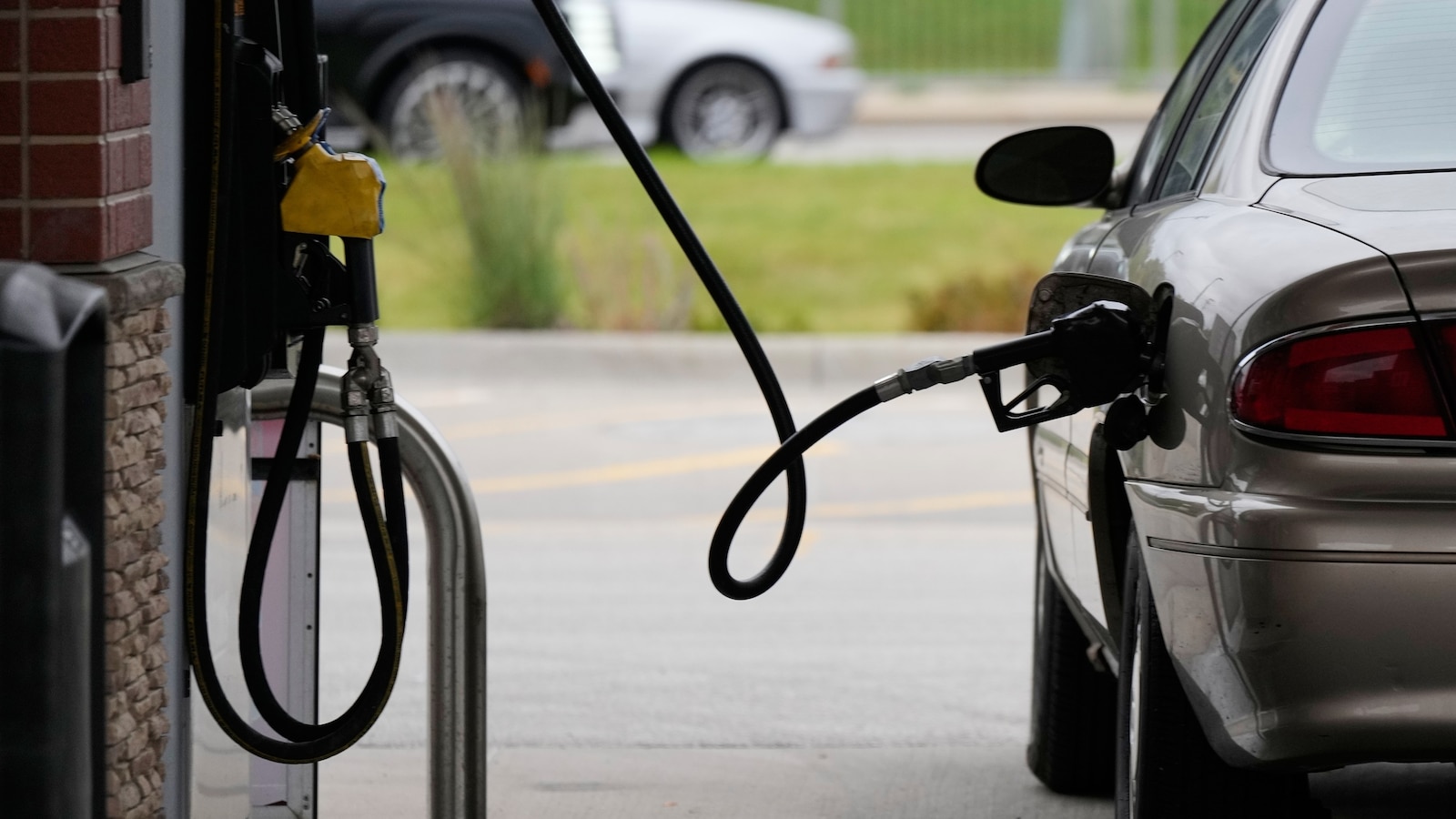
Voters face household cost concerns
The University of Michigan’s latest monthly survey put consumer sentiment at the second-lowest level in its 74-year history. In a recent ABC News/Washington Post/Ipsos poll, at least half of Americans described each measured household purchase category as unaffordable.
Gasoline drew particular concern: 71% of respondents called it unaffordable, compared with 28% in February. The article says fuel costs rose after the war in Iran began driving prices upward.
Inflation outpaces wage growth
Federal data showed prices rising at an annual rate of 3.7% in September, the latest month on record. That is more than one percentage point above the Federal Reserve’s 2% target. Wage growth began trailing inflation in April, reducing workers’ take-home spending power and adding to budget pressure.
Growth and hiring continue
The economy continued to grow, and employers added jobs, although hiring slowed. GDP growth accelerated from annualized rates of 2.2% and 2.5% in the two preceding quarters, Commerce Department data showed.
Artificial intelligence spending helped lift growth: a J.P. Morgan Asset Management study said the sector contributed an average of 0.56 percentage points in each of the first two quarters, accounting for more than 20% of growth. The Atlanta Federal Reserve analysis put average monthly job additions at about 68,000 during the first nine months of this year, up from 10,000 a month in 2025.
The yearly unemployment rate has stayed at 4.4% or lower since 2017, except during the pandemic years of 2020 and 2021, according to the Bureau of Labor Statistics. At a Monday rally in Corinth, Mississippi, President Donald Trump described the economy as having “unbelievable growth,” the biggest in the country’s history.
Key points
- Most major economic data was released before voters head to the polls on Nov. 3.
- Consumer sentiment is near its lowest level in the University of Michigan survey’s 74-year history.
- September inflation was 3.7%, above the Federal Reserve’s 2% target, while wages trailed prices.
- Hiring continues and the economy is growing, with AI spending contributing to recent growth.