

10 Best Anti-War Movies in Film History, Ranked by Their Bleak Power
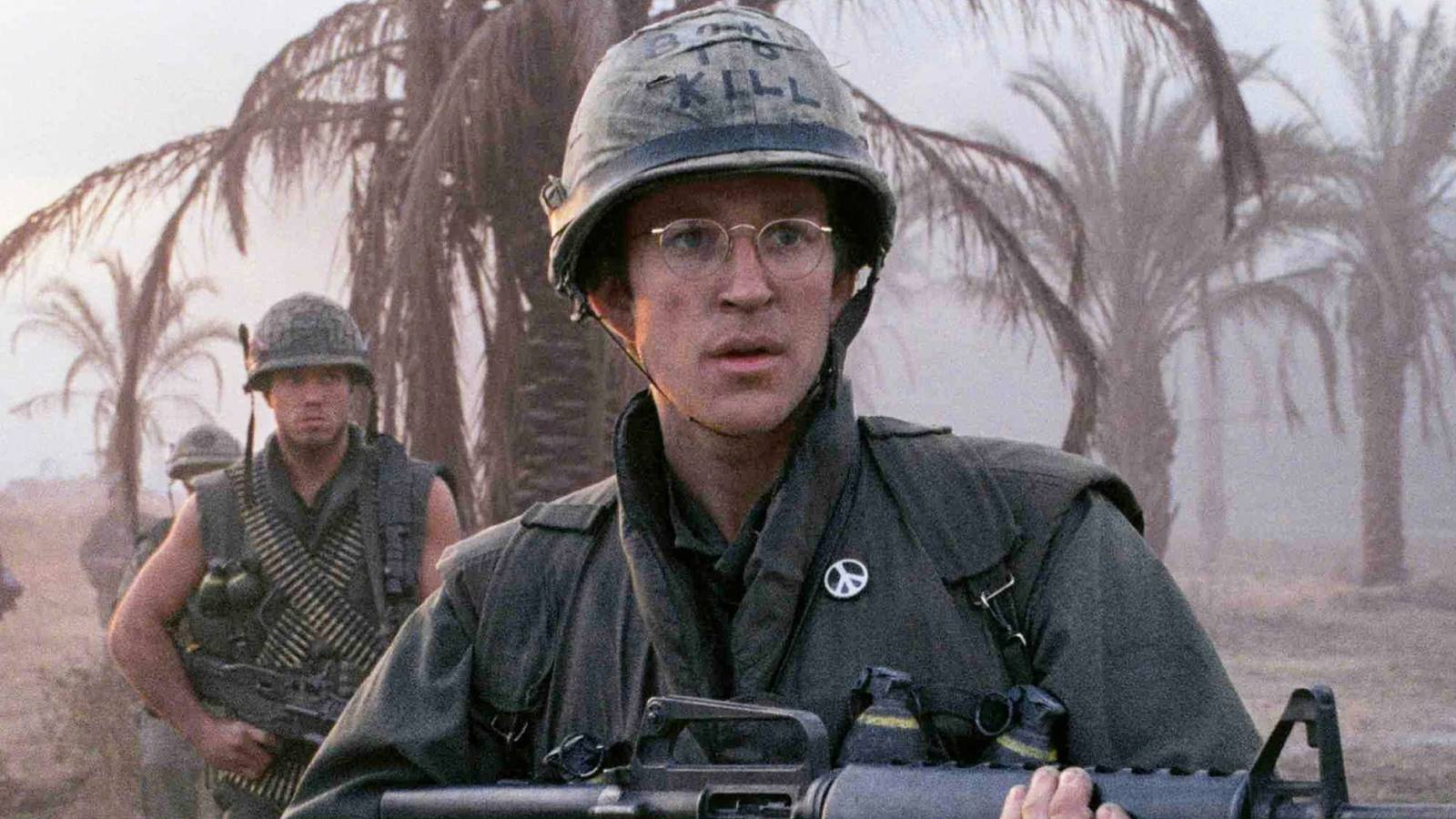
A Bleak Standard for War Films
The selection favors films that remain bitter and unrelenting, rather than works that balance suffering with uplift. Its central measure is a movie’s overall message, not whether it includes individual anti-war scenes.
Saving Private Ryan is left out because its story ultimately emphasizes heroism, despite the force of its Normandy landings sequence. The piece notes that omitted films are not necessarily pro-war; they simply do not meet this especially bleak standard.
Vietnam’s Sudden Violence
Platoon, a Best Picture winner, is described as the second Vietnam War film to receive that award, following The Deer Hunter in 1978. Its directness gives its anti-war message a blunt impact.
The story follows a young man in combat who forms connections with people around him, only to see trust break down and many of them die. Violence erupts without warning, creating tension across the film’s two-hour runtime.
A First World War Trial
In Stanley Kubrick’s Paths of Glory, a trench offensive during the First World War goes wrong. Three men are then put on trial as scapegoats for what happened to their unit, after the soldiers have already suffered losses.
Combat dominates the opening, before the film shifts toward a courtroom drama. The change in form does not soften its bleak view of war, and the film remains powerful nearly 70 years after its release.
Iwo Jima From Two Sides
Clint Eastwood released two films in 2006 that examine the Battle of Iwo Jima from opposing perspectives. Flags of Our Fathers follows the American side, including events after the battle back in the United States.
Letters from Iwo Jima tells the story from the Japanese side and is presented as the more intense anti-war film of the pair. Its tragic tone makes for a more sobering and emotional experience.
Young Men Head to Gallipoli
Gallipoli follows young characters who join the army without understanding what awaits them in the First World War. The film highlights their loss of innocence and delays their arrival at the titular battle.
Its early sections have the feel of an adventure, before the characters are confronted with combat. That contrast underscores how unprepared they are for what follows.
Key points
- The ranking prioritizes films that remain bleak rather than offering hope or heroism.
- Platoon’s sudden violence and losses make its Vietnam story consistently tense.
- Paths of Glory combines a failed First World War offensive with a courtroom drama.
- Letters from Iwo Jima presents the Japanese perspective on the 2006 Battle of Iwo Jima films.