

First city record of Holt’s long-eared bat shows how looking after dark can help science change perceptions
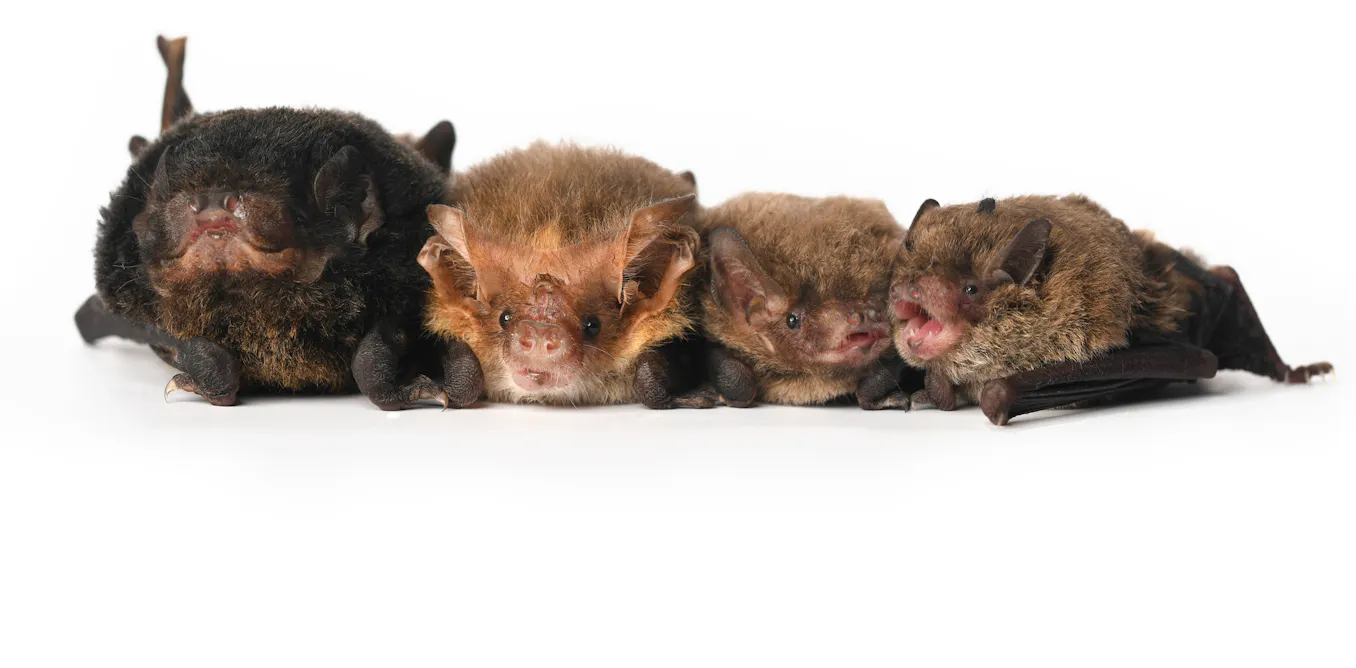
Why bats are hard to study
Small, fast-flying and mostly active at night, microbats can be difficult to locate. They use echolocation, making ultrasonic calls and listening for returning echoes as they navigate and hunt.
Researchers often use specialist detectors to record these calls. The recordings can help identify species because their calls differ in frequency, shape and timing. Bats also matter to ecosystems: flying foxes pollinate plants and disperse seeds, while insect-eating bats help control insect populations.
A volunteer-led survey
After training, volunteers worked in small groups, walking set routes through bushland and recording bats. Across 23 surveys, they recorded five species. Gould’s wattled bat was the most common.
New records and open questions
The volunteers detected Holt’s long-eared bat in the City of Wanneroo for the first time. They did not find chocolate wattled bats at the urban survey sites.
Participants’ views also shifted
A review by the research team examined 51 published bat citizen science studies worldwide. Acoustic surveys were the most common method, but few studies examined what participants gained from taking part.
Key points
- Volunteers recorded five bat species during 23 surveys in Wanneroo in 2025.
- Holt’s long-eared bat was detected in the city for the first time.
- Participants gained bat knowledge and felt more connected to nature.
- A review of 51 studies found few examined benefits for participants.