

Israeli election: Netanyahu and main rival fall short of majority as votes are counted
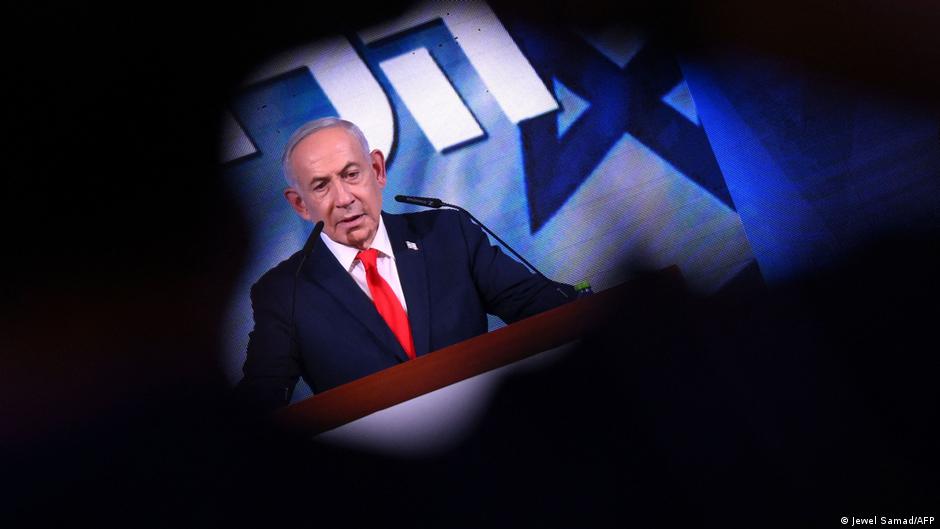
Final count leaves no majority
Israel’s Central Election Committee released the final ballot count from Tuesday’s parliamentary election. Netanyahu’s Likud-led bloc finished with 53 seats, ahead of the anti-Netanyahu bloc led by Yashar party leader Gadi Eisenkot, which took 48.
Neither grouping won an outright majority. That leaves no simple route to forming a government, and coalition negotiations are expected in the coming weeks.
Possible paths to a coalition
Before the election, two broad camps had formed. Netanyahu’s side brought together right-wing, far-right and religious parties; the opposing bloc included right-wing, centrist and liberal parties united by their aim of removing him from power.
The two Arab-Israeli lists secured 19 seats combined, an unprecedented total. Their possible role in a future government, or as outside supporters, is now part of the coalition discussion.
Yair Golan, leader of the left-liberal Democrats, said he had met Eisenkot, former Prime Minister Yair Lapid and Mansur Abbas, head of the Arab Ra’am party. Golan urged talks with Arab-led parties, saying, “the rescue of Israel is at stake,” in a post on X. It remains unclear whether right-wing factions in Eisenkot’s bloc would work with them.
Unity option and voter concerns
A unity government involving both Netanyahu and Eisenkot has also been raised as a possibility. Such an arrangement could be unpalatable to moderate voters, according to the report. With neither bloc able to govern alone, the coming negotiations will determine whether a workable coalition can be assembled.
Interference claims disputed
Netanyahu and Likud alleged large-scale foreign involvement in the election, naming Qatar and Turkey, and claimed Arab parties had benefited. Netanyahu said evidence would be given to police, Shin Bet and the Central Election Committee.
Israeli police said there was no investigative or informative evidence supporting Likud’s claims, and a senior Central Election Committee official also rejected the allegations. Qatar denied interfering or funding efforts to influence the result.
Eisenkot warned political figures not to exploit information that had not been clarified in a way that could undermine official results. Sami Abu Shehadeh, chair of a party in the Arab-led Joint List, described the allegations as a new phase of incitement against Arab-led groups.
Key points
- Netanyahu’s Likud-led bloc won 53 seats, while Eisenkot’s bloc took 48.
- Neither bloc secured a majority, making coalition talks necessary.
- The two Arab-Israeli lists won 19 seats together.
- Israeli police and a Central Election Committee official rejected Likud’s foreign-interference claims.