

Did Venus Eat Its Own Moon? Scientists Uncover a Shocking Possibility
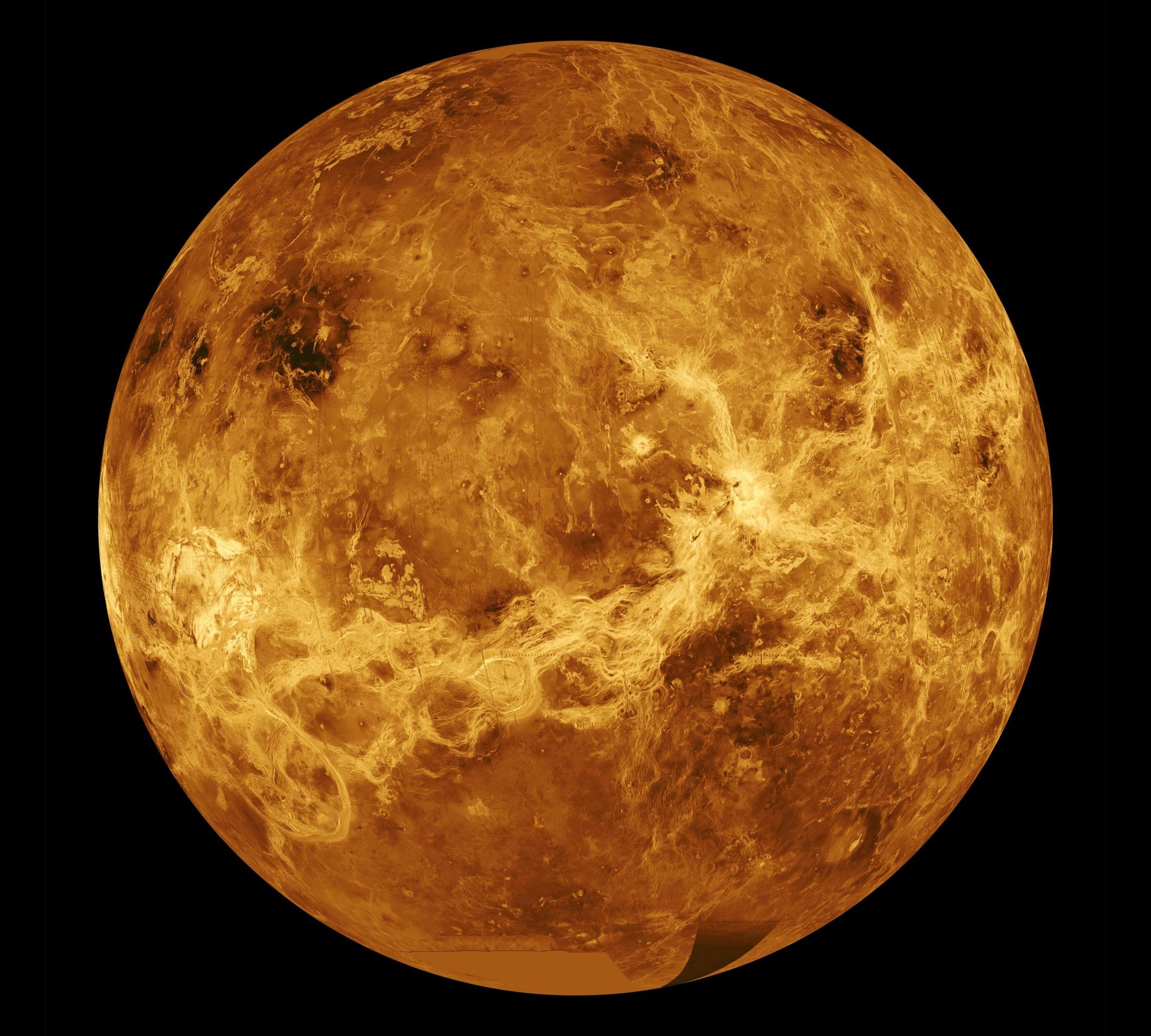
A moon drawn toward Venus
The simulations indicate that Venus may not have needed a major catastrophe to lose a moon. Kane, an astrophysicist at the University of California, Riverside, said the planet’s gravity and rotation could have caused a moon to fall onto its surface.
Kane tested the model first by reproducing the known evolution of Earth and its moon. He then varied Venus’ rotation rate and tested hypothetical moons ranging from half to ten times the mass of Earth’s moon.
What the simulations found
In most of the model runs, a moon collided with Venus. The more massive the moon, the sooner it struck the planet. The results suggest Venus could not have retained a moon indefinitely, even if one had formed. Kane said slow rotation could also lead moons to crash into planets orbiting other stars, potentially changing their histories.
Moons and planetary habitability
The connection between a planet’s spin and a moon’s orbit can be measured in the Earth-moon system. Apollo 11 mirrors on the lunar surface let scientists track the moon’s distance from Earth; Kane said it is receding by about four centimeters, or 1.6 inches, each year.
Key points
- Computer models suggest Venus’ slow spin and gravity could have drawn a hypothetical moon into the planet.
- Most simulations ended in a collision, with heavier moons hitting Venus sooner.
- About 80% of Venus’ surface is similar in age after a resurfacing event about a billion years ago.
- Kane said moons can affect planetary evolution but are not required for habitability.