

Inside campaign texts powered by AI and the tech shaping voter outreach
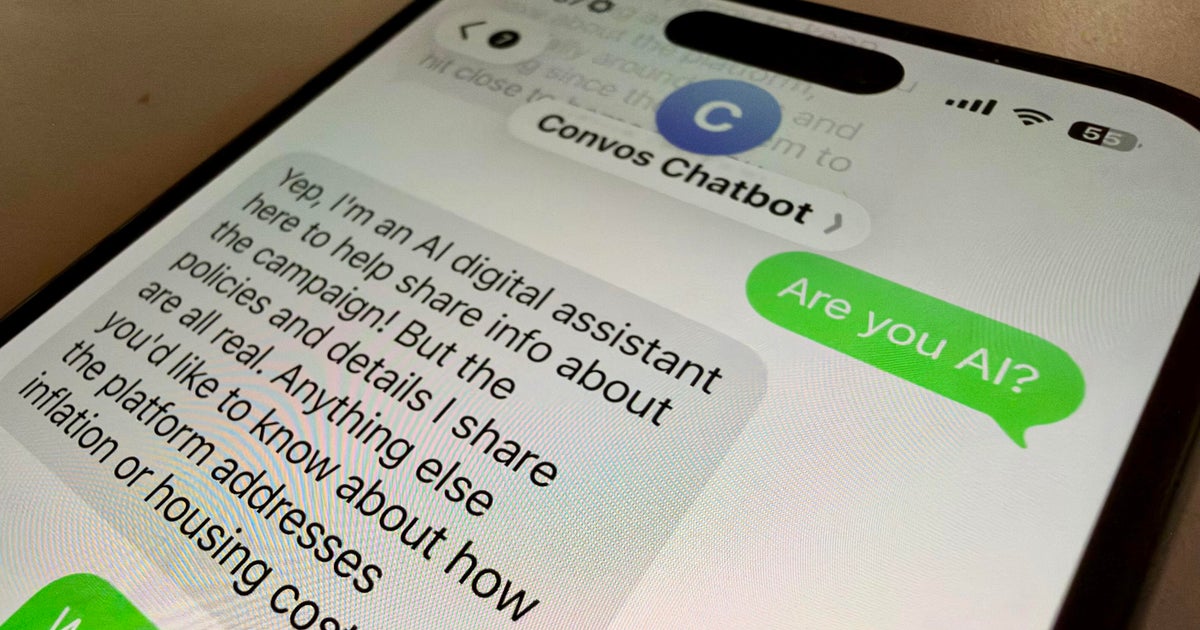
Campaigns test AI conversations
Ace Parsi, a Democrat running against Republican Rep. Riley Moore in West Virginia, said his campaign uses AI as another way to help people feel heard. Parsi has also drafted a proposal to block new data centers that lack constituent support.
A study in the journal Nature found that short AI chatbot conversations shifted voters’ views more than political ads typically did in controlled experiments. Still, Katie Harbath of Anchor Change said campaigns remain in an experimental phase with the technology.
How the texting tools work
An AI agent begins by texting a voter, who can decide whether to respond. Campaigns provide information such as website material, speeches and press releases; Convos.ai founder Tom Carroll said its agent is limited to that supplied content.
Vector’s Santalucia said its system is trained in deep canvassing, a method based on extended, empathetic listening. The company also uses a second bot to review the texting agent’s responses as a check against incorrect information.
Reach, persuasion and privacy
Among people who reply, Santalucia said, 10% to 20% remain in the conversation for at least an hour. Campaigns can use these exchanges to discuss issues voters care about, and Tech for Campaigns co-founder Jessica Alter said chatbots could reach people traditional door-knockers do not.
Santalucia described a woman who, after 30 to 45 minutes of messaging, shared a personal story about confronting her parents’ racism. The example highlights questions about what voters understand regarding who can read their chats and what happens to the information they disclose.
Parsi’s campaign receives individual chats, summaries and alignment scores, according to campaign manager Monica Biddix. Parsi said he personally called voters the AI tool rated as strongly disagreeing with him and his campaign.
Key points
- Campaigns are experimenting with AI agents that contact voters by text and answer from campaign-provided material.
- A Nature study found chatbot conversations shifted views more than political ads in controlled experiments.
- Some respondents stay in AI conversations for an hour or longer, according to Vector’s Santalucia.
- The exchanges raise questions about who reads voters’ messages and what happens to shared information.