

A Year After Brazil’s Deadly Favela Raids, Can Anti-Gang Law Make Things Better?
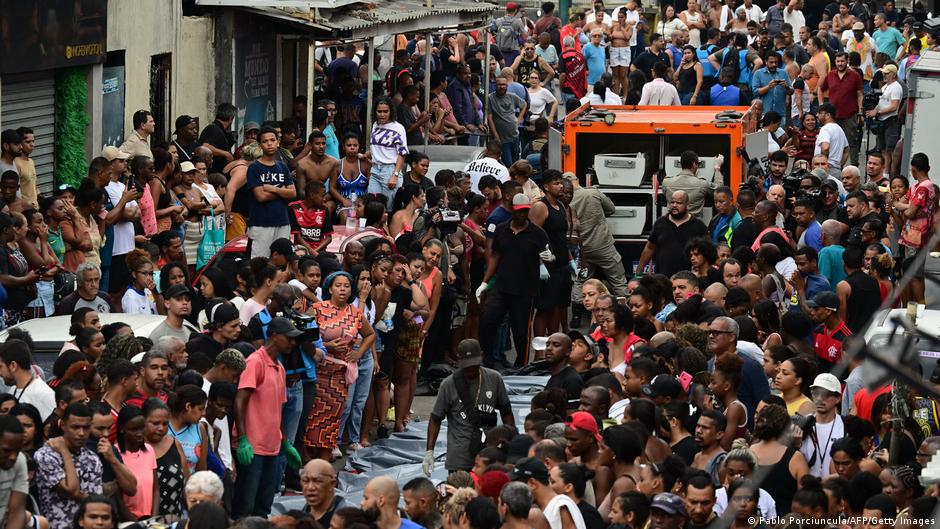
Questions over the Rio operation
HRW also examined autopsy findings and said many bodies showed signs of execution. It reported that 40% of those killed had been shot in the head and 75% in the back. Munoz said there were grounds to believe the operation “was obviously designed to be lethal.”
What the new law changes
The operation, supervised by Rio de Janeiro’s state government, shocked Brazil. Calls to intensify the fight against organized crime followed, and the Anti-gang Law, or Lei Antifaccao, came into force in March 2026.
The law targets groups including the PCC, based in Sao Paulo, and Rio’s Comando Vermelho. It also aims to dismantle militias made up of corrupt police officers and soldiers, including through criminal and economic measures.
Concerns about prisons and rights
Azevedo said the law raised constitutional concerns, including its provision for automatic pretrial detention of suspects. Other measures would broaden grounds for arrest, restrict easing of prison conditions and extend time served.
He warned that the changes could aggravate Brazil’s chronic prison overcrowding. Brazil already has one of the world’s largest prison populations, he said, and the law could increase it further.
Overcrowded prisons with inadequate government control can help criminal factions recruit and grow, Azevedo said. Munoz said preventing gangs from recruiting young people and offering people who have committed crimes new prospects were also important.
Key points
- HRW said most officers in the 2025 Rio operation lacked body cameras, and no fatal shooting was recorded.
- The operation killed 117 alleged gang members and five police officers.
- Brazil’s Anti-gang Law took effect in March 2026 and expands tools to target criminal groups.
- Critics warn that detention and sentencing provisions could worsen prison overcrowding and help gangs recruit.