

How a simple blood test could detect cancer before symptoms appear
Why earlier detection matters
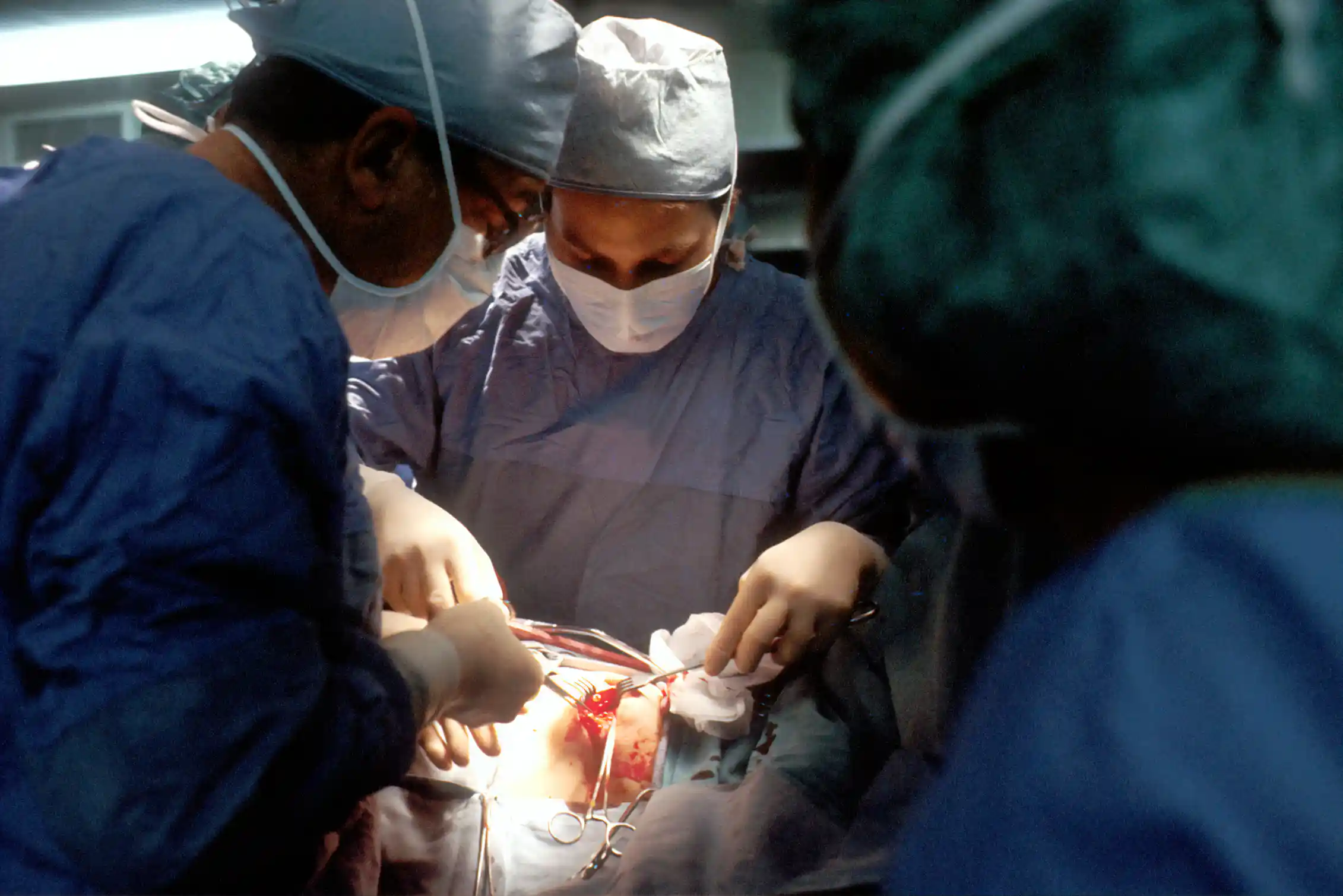
Cancer is the leading cause of death in Canada. Two in five Canadians will develop it during their lifetime, and one in four will die from it; nearly 700 people across the country are diagnosed each day.
Survival rates differ by cancer type and by how advanced the disease is at diagnosis. The article says survival rates decrease when cancer is detected early, a claim that conflicts with its call to detect cancer earlier.
A blood-based approach
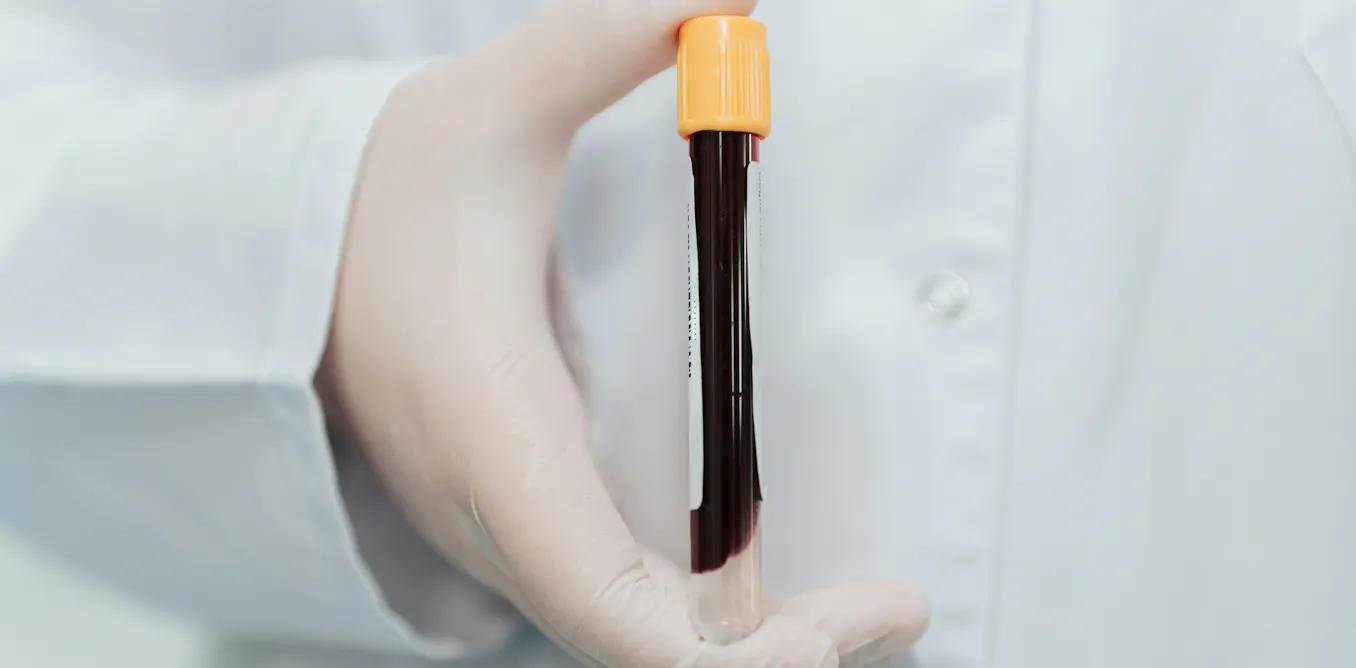
Liquid biopsy seeks to identify cancer by analyzing DNA that tumour cells release into the bloodstream. Unlike a conventional biopsy, which removes a sample of tumour tissue, it requires only a blood draw.
The article describes the procedure as minimally invasive, with less pain, lower patient risk and less logistical burden than hospital procedures. Blood can be collected in settings ranging from local clinics to community health centres, and the simplicity may allow more frequent testing.

Reading tumour DNA
Biomarkers are measurable indicators of health. PSA, used for decades to monitor prostate cancer, is one example: raised levels may signal cancer, its progression or a recurrence after treatment. But PSA can rise for reasons unrelated to cancer, making results harder to interpret.
Liquid biopsy instead looks directly for genetic traces from tumour cells. Circulating tumour DNA may offer information about cancer type and progression, but small tumours release less DNA—making early detection especially difficult even though it may matter greatly for survival.
Potential uses and challenges
Identifying mutations could help match patients with targeted therapies suited to a tumour’s genetic profile. Repeated blood tests before, during and after treatment could also track whether tumour DNA levels rise or fall, helping assess whether a therapy is working or needs adjustment.
A key obstacle is detecting tumour DNA against a much larger background of normal DNA. The mutations may be near the limit of sequencing accuracy, so the researcher’s laboratory is working to reduce technical errors and use algorithms, including artificial intelligence approaches, to distinguish real mutations from false signals.
Key points
- Cancer is the leading cause of death in Canada, and nearly 700 people are diagnosed each day.
- Liquid biopsy analyzes tumour DNA in blood rather than requiring a sample of tumour tissue.
- Repeated tests could help track cancer and assess treatment response over time.
- Separating very weak tumour DNA signals from normal DNA remains a major technical challenge.