

Geelong gingko named Victorian tree of the year, backdrop to countless local love stories
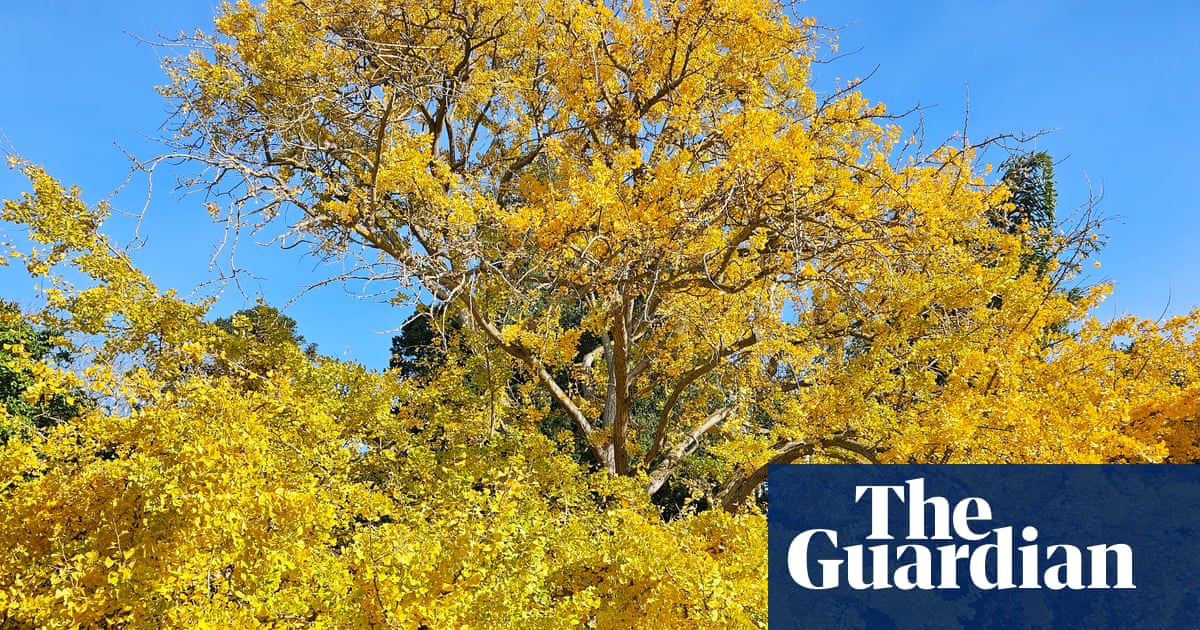
A public vote winner
The National Trust of Australia (Victoria) announced the result on Tuesday. Geelong’s ginkgo took the 2026 title after winning 27% of the 4,435 votes cast by the public.
The smooth bark apple myrtle in Prahran came second, while Apollo Bay’s myrtle beech placed third. Eight other finalists competed for the award.
A gathering place for weddings
The tree was raised from seed in Geelong’s botanic gardens more than 160 years ago. Generations of garden workers and volunteers have helped it flourish. Botanic gardens supervisor Sheree Parker said it was among the park’s earliest plantings and its most visited and discussed tree. Couples often choose the lawn beneath its branches for wedding ceremonies and photographs.
Distinctive signs of age
Some visitors may notice unusual growths resembling stalactites on the trunk and branches. These occur only on much older female ginkgo varieties, according to the article. The tree also bears fruit known for its smell. National Trust Victoria gardens and landscapes executive manager Justin Buckley described the award result as a popular win and said the tree was well loved locally.
Calls to protect canopy
The award comes amid concern about the loss of urban greenery. A framework recently released by Stonnington city council found that more than 17.9 hectares of tree canopy had disappeared from private land in the inner Melbourne suburb over the past decade.
Victoria introduced consistent protections for canopy trees in the past year. Buckley said those rules remained limited, leaving significant trees at risk of removal without a permit; he argued that planting a replacement cannot make a major tree readily replaceable.
Key points
- Geelong’s ginkgo won the 2026 Victorian tree award with 27% of 4,435 votes.
- The more than 160-year-old tree is a popular wedding setting in the botanic gardens.
- Prahran’s smooth bark apple myrtle placed second, and Apollo Bay’s myrtle beech came third.
- A Stonnington council framework reported more than 17.9 hectares of canopy lost on private land over a decade.