

Vegemite ban stands across Victoria’s prisons after Australian judge rejects prisoner’s human rights challenge
Court upholds prison restriction
McKechnie, 55, is serving a life sentence for murder. He challenged Victoria’s refusal to let inmates eat Vegemite, arguing it prevented him from enjoying Australian culture with others of Australian background.
Harris agreed the restriction limited rights protected by the state’s Charter of Human Rights and Responsibilities Act. But in her 47-page judgment, she said the limitation was justified by prison authorities’ goals of removing illicit drugs and alcohol.
Officials cite security concerns
Prison officials testified at a July trial that Vegemite had been banned across Victoria’s 12 prisons for 20 years. They said it could potentially impair dogs’ ability to detect narcotics and its yeast could be used to make alcohol.
McKechnie argued that neighboring New South Wales did not ban the spread, suggesting less restrictive options were available. The court rejected his challenge.
Culture and health arguments
McKechnie said the ban left him feeling “deprived, sad and disconnected,” according to his testimony. Harris said it was difficult to regard the inability to eat Vegemite, rather than imprisonment itself, as a material cause of his sadness and separation from family and community.
He also initially argued that going without Vegemite contributed to thiamine deficiency. McKechnie said pork was another source of vitamin B1 but that, as a Jew who observed kosher law, he could not eat it; he took daily vitamin doses. He later dropped the issue after prison lawyers objected to his evidence.
McKechnie cited research linking a taste for Vegemite with early exposure, Australian birth and ancestry. He also pointed to the Australian Olympic Committee’s successful effort to overturn a Chinese import ban before the 2008 Beijing Summer Olympics.
A prominent Australian spread
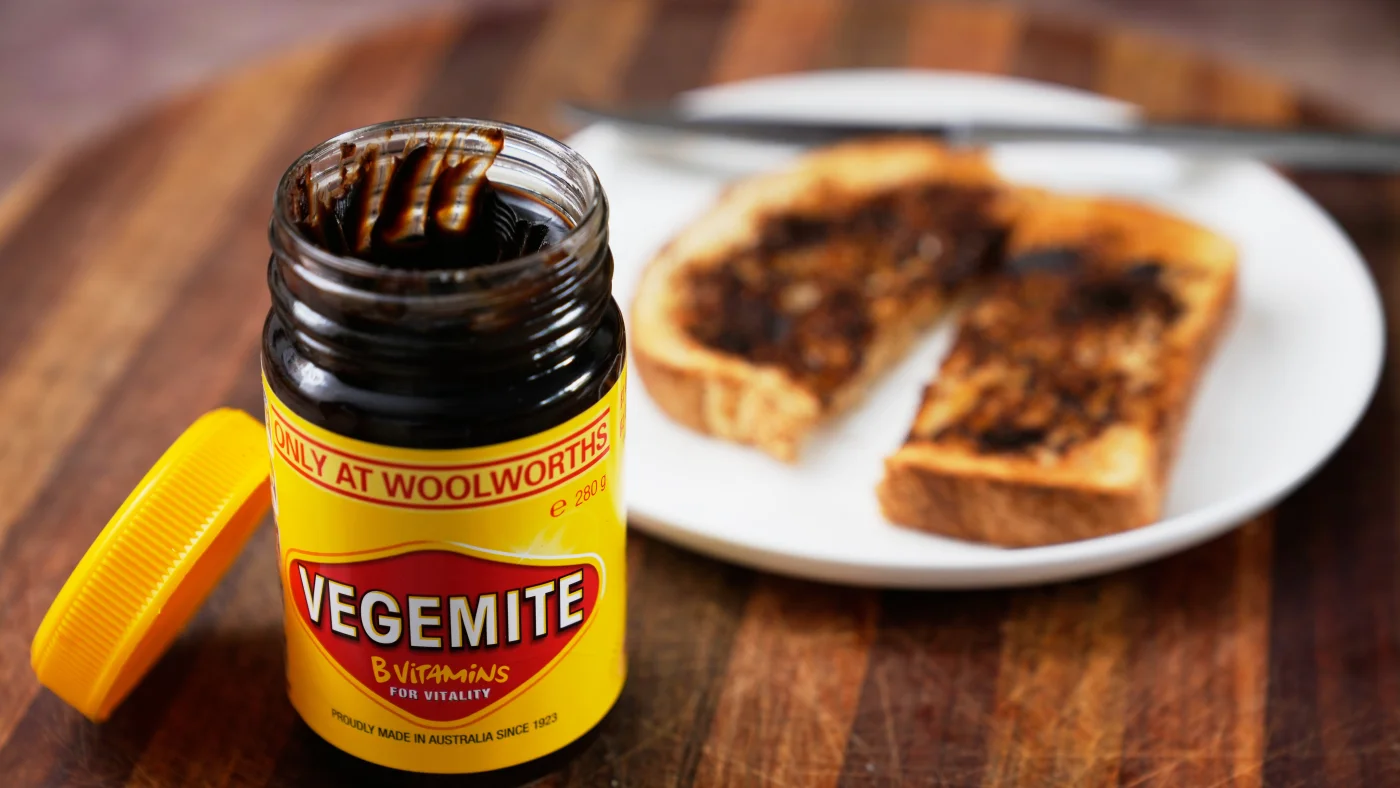
Vegemite is a common breakfast food in Australia, and more than 80% of households are estimated to keep a jar in their pantries. The spread is marketed as a source of B vitamins, including thiamine, riboflavin, niacin and folate.
The case has focused on the spread’s cultural meaning as well as prison security. Barack Obama, the last U.S. president to visit Australia, once described Vegemite as “horrible.”
Key points
- Justice Claire Harris ruled Victoria’s Vegemite ban justified despite limiting McKechnie’s cultural rights.
- Prison officials said Vegemite could hinder drug-sniffing dogs or be used to brew alcohol.
- McKechnie said the ban made him feel deprived, sad and disconnected from his community.
- He dropped his thiamine argument after prison lawyers objected to his evidence.