Brazil Elections: The Stake Is a Sharp Shift in Foreign Ties, Climate and Welfare
A close presidential contest
Polls placed Lula and Bolsonaro in a tight race ahead of Sunday’s vote. Either candidate needs more than half the votes to become Brazil’s next leader in January.
Bolsonaro led Lula by more than 2.2 million votes in the first round earlier this month. More than 33 million of nearly 160 million voters did not participate.
The contest renews a clash between Brazil’s two deeply divided political camps. Four years ago, Lula narrowly defeated Bolsonaro’s father, Jair Bolsonaro, in the closest presidential race since Brazil returned to democracy in 1985.
Different visions for Brazil
The candidates hold contrasting positions on U.S.-Brazil relations, climate change and social welfare. Bolsonaro is an ally of U.S. President Donald Trump, while Lula is a left-of-center veteran who previously governed from 2003 to 2010.
A Bolsonaro victory would mark a rightward shift in Latin America’s most populous country and largest economy. Trump-aligned politicians have also won elections in Chile, Peru and Colombia this year; a Lula victory would leave Brazil and Mexico led by left-of-center leaders.
Lula’s campaign has faced concerns about living costs and security. Bolsonaro has emphasized a tough approach to crime and promised to reduce food prices.
Scrutiny and campaign claims
Both candidates have faced corruption suspicions involving relatives and allies. Lula spent more than a year in prison after corruption convictions that were later annulled. Bolsonaro has been implicated in a major scandal. His acknowledgment that he took about $12 million from former banker Daniel Vorcaro to make a film about his father has weighed on his campaign, and he is under investigation over alleged corruption, money laundering and tax evasion related to the case.
Lula has described Bolsonaro as a threat to democracy, citing his father’s house arrest over an attempted coup. Bolsonaro has pledged to pursue an amnesty for his father if elected.
Messages at the polls
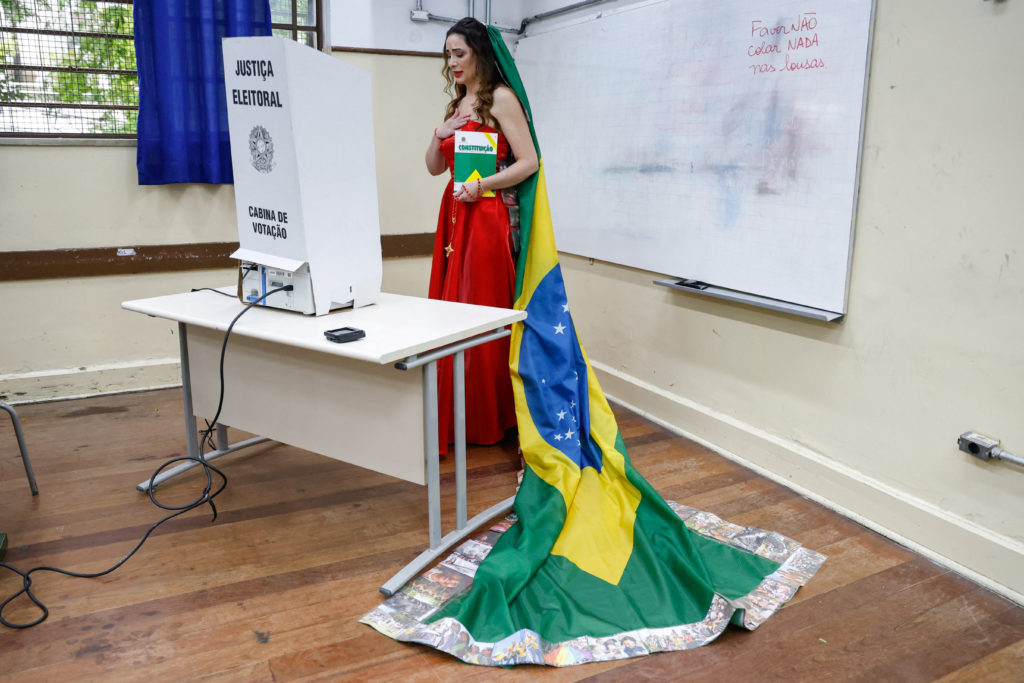
At a Rio de Janeiro school where Bolsonaro voted, some of his supporters shouted an insult targeting Lula, while Lula’s supporters chanted in his favor. The exchange reflected the intensity surrounding the runoff. Bolsonaro told supporters, “The time of real change has arrived.” He added that Brazil could not continue for another four years on its current path.
Key points
- The runoff pits incumbent Luiz Inácio Lula da Silva against Flávio Bolsonaro.
- More than 33 million voters skipped the first round, out of nearly 160 million.
- The result could shift Brazil’s political direction and influence its ties with the United States.
- Both campaigns have faced corruption concerns involving family members or allies.