Healey’s Military-Style Budget Secrecy: Did It Really Play Out Differently From Past Budgets?
Secrecy measures reported
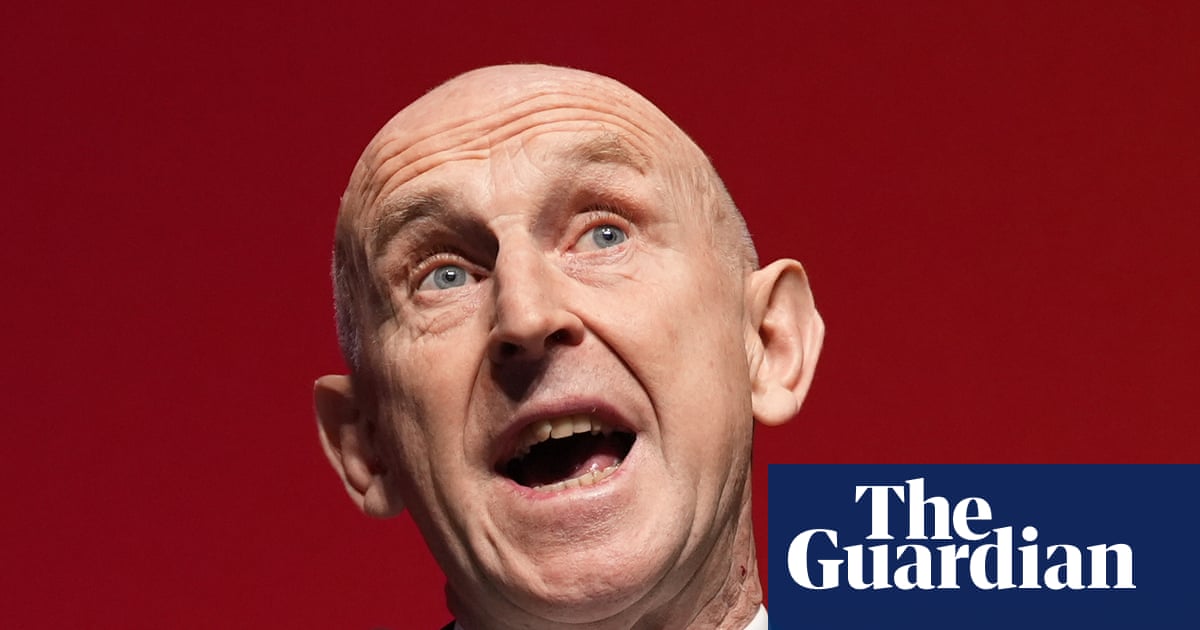
Reports said Healey was concerned about leaks and had introduced defence-style compartmentalisation to protect Treasury information. The Financial Times described military-style protocols, while the Spectator reported the use of classified computer systems.
The i said officials could access only the parts of the document they were working on. Healey was also known to worry that market-sensitive leaks had cost Britain billions before previous governments’ budgets.
Major policies surfaced early
Several significant measures became public well before budget day. They included a higher tax on banks, which the article describes as deeply market-sensitive, and energy support for the most vulnerable.
Other reported plans included billions of pounds in additional defence spending, funding for the British Business Bank and National Wealth Fund, and a £1bn crackdown on online VAT sales. Under that plan, large retailers including Amazon, eBay and Temu would collect VAT due from smaller merchants using their platforms.
Announcements before budget day
The Treasury and No 10 also issued embargoed announcements in the days before the fiscal event. These included a new £1.5bn borrowing facility for local authorities and £1bn for social housing.
The government uses such announcements to build a sense of activity and momentum around its plans. At the same time, officials say a completely sealed budget can trigger a backlash among markets, the media, government MPs and the public.
Key points
- Reports described military-style controls on access to Treasury budget information.
- A higher bank tax and energy support were disclosed well before the fiscal event.
- Advance announcements included £1.5bn for local authorities and £1bn for social housing.
- A former Tory strategist warned that total secrecy can create a “Liz Truss situation.”