Why Iran and US negotiations keep failing despite a narrower deal gap
A rupture with deep roots
On November 4 that year, Iranian students seized the US embassy and held 52 Americans for 444 days. Diplomatic relations were severed and have not been restored. The legacy, described as the embassy siege complex, is an expectation that Iran must make a verified concession before receiving anything in return.
Trust shaped by past agreements
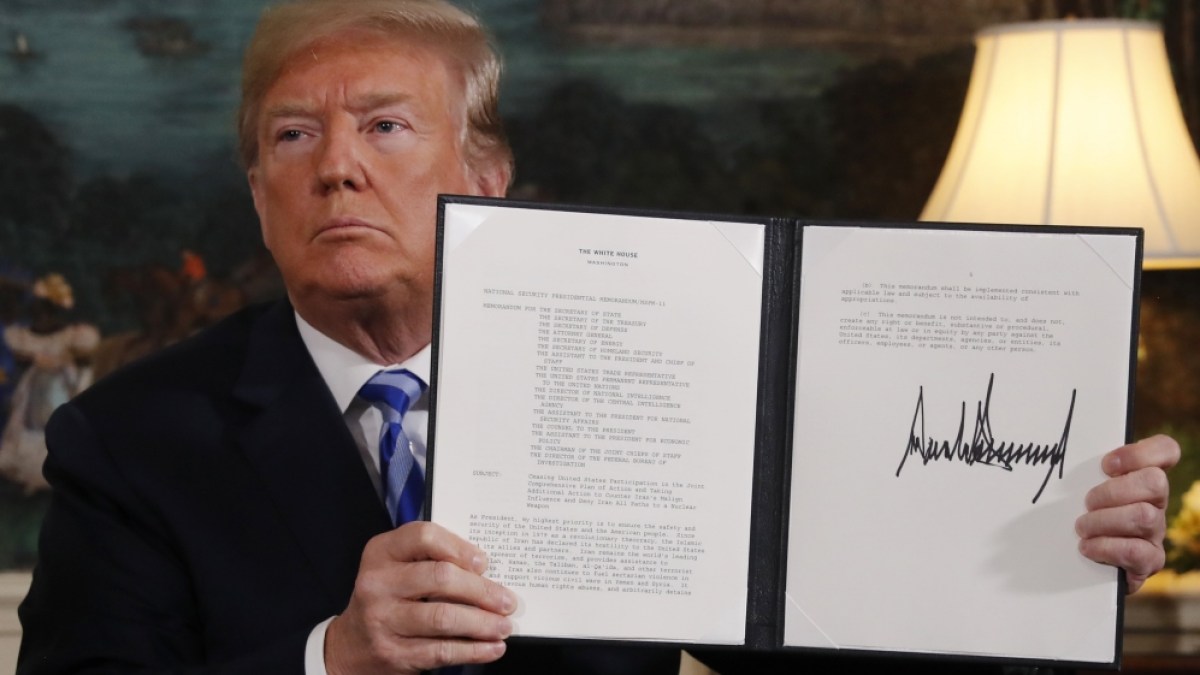
A second source of mistrust followed the US withdrawal from the JCPOA. The article says Iran came to view an American signature as no guarantee that an agreement would survive a change of administration, and to suspect that negotiations could mask preparations for war.
The two sides’ expectations therefore point in opposite directions. Washington seeks Iranian action before offering a reciprocal benefit, while Tehran wants an American guarantee before taking action. The article describes these as two complexes that shape how each side approaches talks.
Conditions and competing proposals
A May draft from White House envoys Steve Witkoff and Jared Kushner tied the release of frozen Iranian funds to suspending enrichment first. The US response in September also called for enrichment to be frozen and inspectors to enter throughout negotiations.
A narrower gap, little trust
Iran’s proposals sought protections against a repeat of past events. Its five-point response in late March called for guarantees against renewed war; its 10 points in April sought a binding UN Security Council resolution; and its 14 points in May called for a nonaggression pledge that included Israel.
The article says provisions intended to reassure Tehran included an end to hostilities, respect for mutual sovereignty, monitoring of implementation and Security Council approval. Ballistic missiles were absent from the text. By late September, talks appeared to centre on sequencing rather than substance, with a stated aim of returning to an enhanced version of the June memorandum.
What remains unresolved
Despite the narrower substantive gap, the article says distrust has not eased and may have deepened during the war. Each side continues to frame its proposals around avoiding a repeat of its past experience with the other, rather than meeting halfway.
Key points
- A June 18 memorandum signed in Islamabad collapsed within days.
- The two countries seek safeguards against different historical fears.
- By late September, the dispute appeared focused on the order of steps.
- The article says the substantive gap narrowed, but the trust gap remained.