Nearly 1.4 million studies reveal there is a hidden bias affecting what scientists know about nature
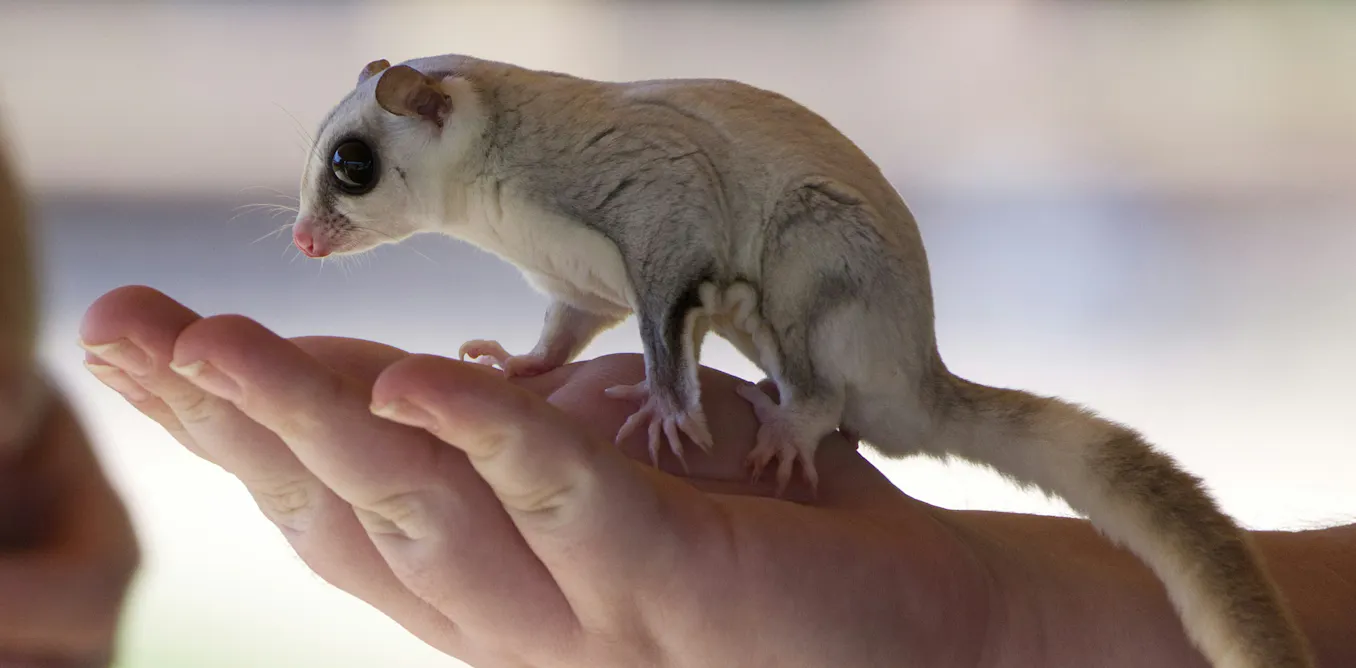
Research favors vertebrates
Scientists cannot study every species in detail, so their choices shape what is known about life on Earth. Researchers examined ecology and evolution studies to see which animals received attention and why.
The team analysed almost 1.4 million scientific articles from more than 600 journals. More than half focused on vertebrates, even though vertebrates account for only 5% of animal species. Most animals are invertebrates, including bugs, spiders, worms and slugs.
The gap has persisted
The researchers found that the imbalance has not improved in more than two decades, since it was first identified. In some fields, the emphasis on particular animals has grown.
In marine and freshwater biology, the share of articles focused on fish rose from 35.8% in 2001 to 49.7% in 2025. The increase came at the expense of aquatic invertebrates, including molluscs, crustaceans and corals.
Preferences shape choices
An online survey asked 868 animal behaviour researchers about their experience and preferences. Birds and mammals were viewed more favourably than other groups, especially arachnids such as spiders.
The researchers said social media and news coverage can amplify interest in popular animals. Familiarity may also shift attitudes: survey participants tended to view an animal group more positively after working with it.
Unexpected benefits of study
Green fluorescent proteins discovered in bioluminescent jellyfish in the 1960s enabled scientists to tag individual cells, helping spur a scientific revolution and leading to the 2008 Nobel Prize. The researchers said useful discoveries can come from organisms regardless of whether people find them appealing.
Knowledge gaps carry costs
The researchers said scientists can share society’s negative views of certain animals, often rooted in disconnection from nature and misinformation. Choices about what to study can influence the course of scientific progress.
They called for a shift in how animals are perceived as human-made pressures accelerate biodiversity loss. Insects are declining at unprecedented rates, while little is known about most insect species; many have not even been described.
Key points
- More than half of nearly 1.4 million studies focused on vertebrates, which make up 5% of animal species.
- The share of marine and freshwater biology articles focused on fish rose from 35.8% in 2001 to 49.7% in 2025.
- Researchers surveyed 868 animal behaviour scientists and found birds and mammals were viewed more favourably than arachnids.
- Insect populations are declining at unprecedented rates, while knowledge of most insect species remains limited.