How a Bird Flies Thousands of Miles With a Catch in Its Wings
Wings serve competing needs
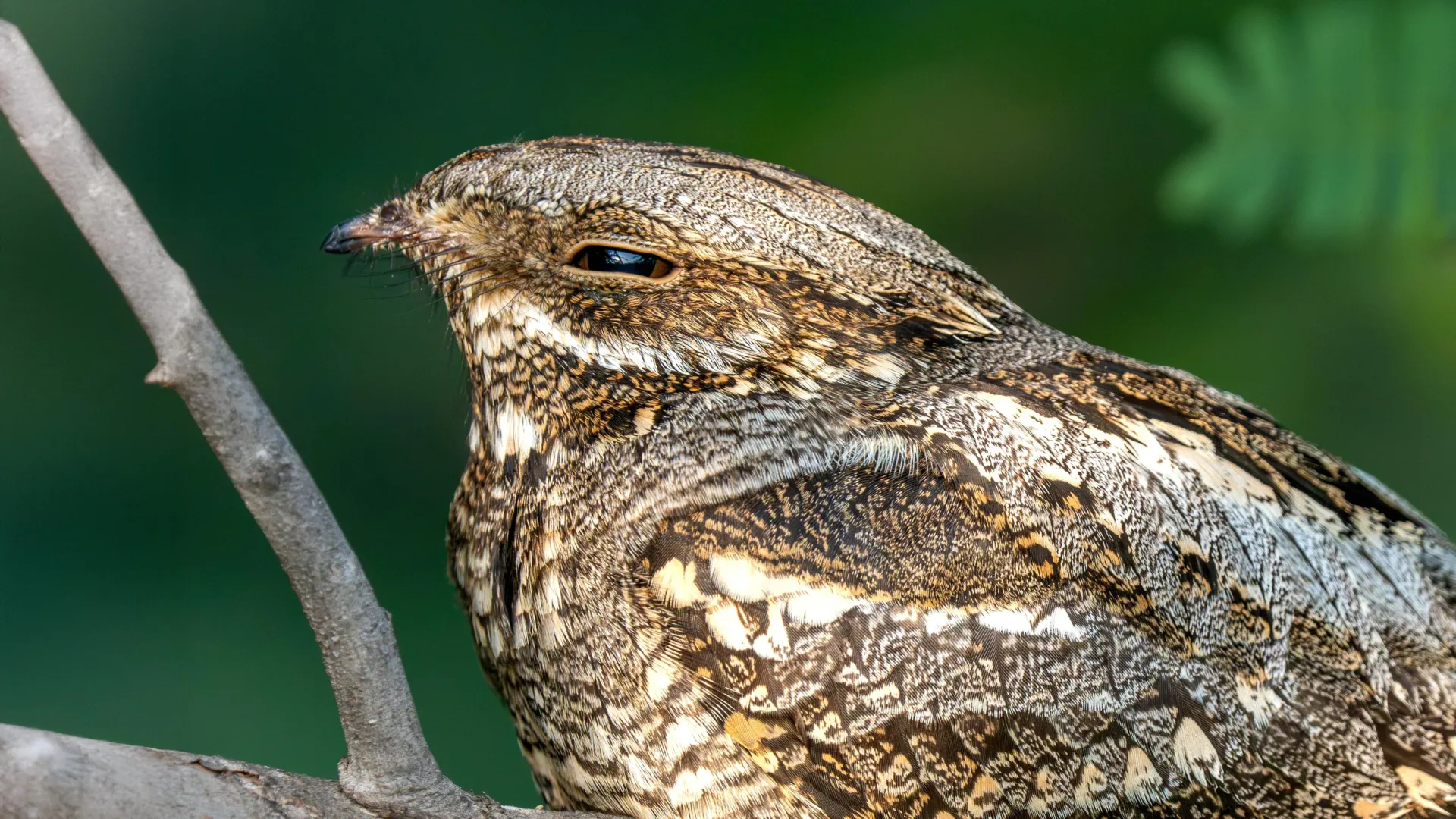
The European nightjar hunts insects at night and makes an annual journey between Europe and southern Africa. Its wings must support both long-distance travel and slow, agile flight while it hunts.
Researchers at Lund University found that the bird’s flight involves a trade-off. Its wings are not perfectly suited to efficient flight at higher speeds, despite the nightjar’s long migrations.
Wind tunnel reveals the trade-off
The team studied nightjars in a wind tunnel, recording their movements at different speeds and measuring airflow behind the wings. They focused on how wing shape affected flight.
Broad wing tips appear to help the birds maneuver at low speeds, but become a drawback as speed rises. At higher speeds, the wings produce lift less efficiently; lift is the force that keeps a bird airborne.
Thrust during the upstroke
The researchers also found that nightjars generate thrust while raising their wings during the upstroke. Thrust helps propel the birds forward. Active thrust on the upstroke has mainly been linked to bats and insects, rather than birds. The finding suggests that different kinds of flying animals may use similar aerodynamic solutions.
Possible lessons for aircraft
The results illustrate how evolution can favor a balance among competing demands rather than wings optimized for a single task. Nightjars combine long-distance migration with the agility needed to catch insects at low speeds.
The findings could help guide work on drones and other robotic aircraft with flapping wings, especially where wing folding is limited. Researchers want to learn whether this way of generating force occurs in other birds and flying animals.
Key points
- Nightjars migrate between Europe and southern Africa while hunting insects in flight.
- Broad wing tips aid maneuvering at low speeds but reduce lift efficiency at higher speeds.
- The birds generate thrust while raising their wings, an action often associated with bats and insects.
- The findings could inform research on flapping-wing aircraft and other flying animals.