Little acorns, a 1,000th article and the Guardian country diary’s enduring pull
A landmark rooted in 1987
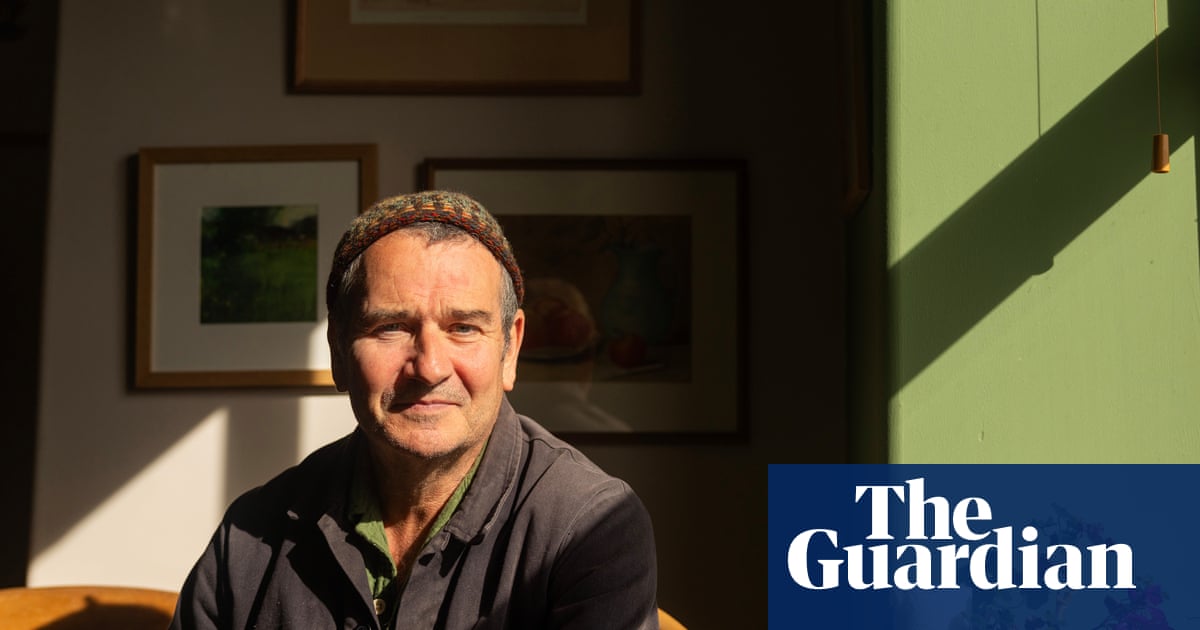
In autumn 1987, Mark Cocker watched a jay burying acorns in a field near Norwich and wrote about the encounter in his first Guardian country diary. Thirty-nine years later, he is completing his 1,000th entry for the newspaper’s long-running column.
Some of the acorns planted by that jay may now have grown into mature oaks. On a visit to Derbyshire a few weeks ago, Cocker saw several birds of prey, including two peregrines and his first marsh harriers there.
A column with many voices
The Guardian country diary began in 1904 with dispatches by Thomas Coward, a retired textile bleacher from Cheshire. Its current roster includes about 30 diarists, from Cornwall to the Cairngorms, with backgrounds ranging from farming and science to conservation and foraging.
Cocker usually writes a fortnightly entry from his local patch in Derbyshire. After Phil Gates recently retired following nearly 40 years on the diary, Cocker became its longest-serving diarist. He and the late Enid Wilson together covered 76 years.
The discipline of looking closely
Cocker says the short form takes time to master. He told the Guardian, “It’s like a haiku,” explaining that a strong diary brings its subject to life and connects it to a wider theme.
His new book, The Nature of Seeing, brings together recent diaries and new essays about experiencing nature more fully. Cocker argues that careful observation benefits all writing and points to literary figures including Margaret Atwood and Vladimir Nabokov, who have also shown an interest in wildlife.
Attention and the living world
Before writing, Cocker worked as a refuse collector, road sweeper and potato picker, and posed nude for a local art college while he was a penniless student. His early columns featured chiffchaffs, silver-studded blue butterflies and sparrowhawks.
In his book, he describes Inuit fishers navigating through fog by reading differences in snow bunting songs that signalled parts of an unseen coastline. Cocker says this kind of attention to nature has been lost and should be recovered. With climate and biodiversity crises worsening and overconsumption threatening humanity, Cocker believes the country diary’s time has come.
Key points
- Mark Cocker is completing his 1,000th Guardian country diary after starting in 1987.
- The column began in 1904 and now features about 30 diarists across Britain.
- Cocker says close observation of nature can strengthen writing and reconnect people with the living world.
- He believes the country diary has renewed relevance amid climate and biodiversity crises.