America’s Politically Divided Jewish Community Braces as Israel Elections Near
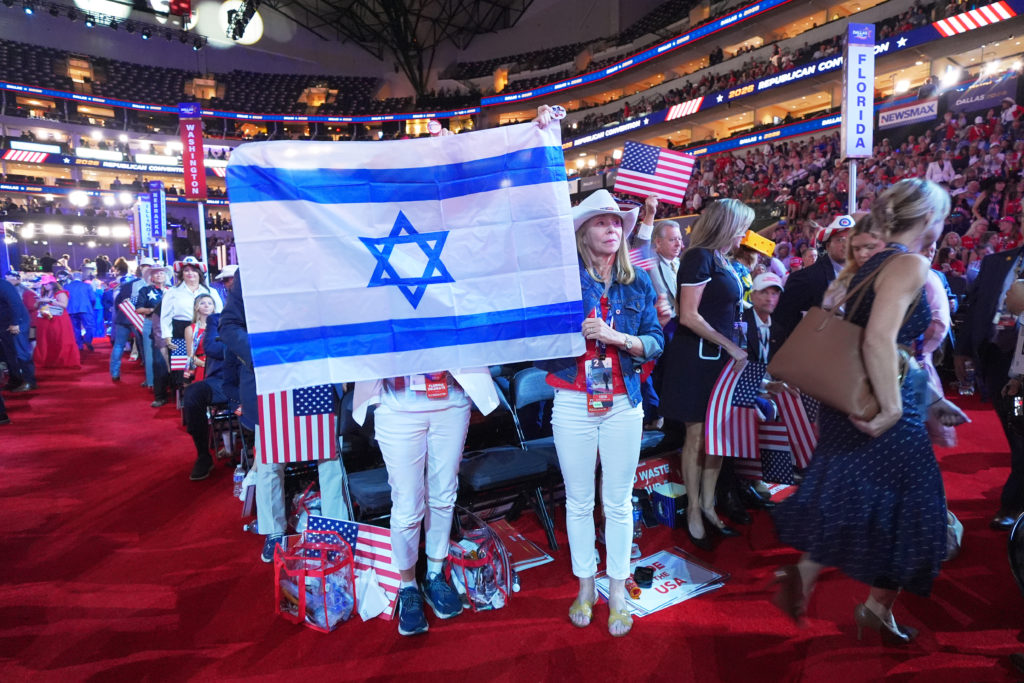
A divided community watches
Jewish Americans see the election as consequential, but views on the desired outcome differ along political, religious and generational lines. Netanyahu’s supporters, particularly among Orthodox Jews, see him as protecting a country central to their identity.
Many liberal and younger Jewish Americans argue his policies have damaged Israel’s standing abroad and fueled anger that may also affect Jews in the United States. Critics of his actions in Gaza and the occupied West Bank also caution against blaming him alone for attacks on Jews.
A close contest with high stakes
The election is scheduled for Oct. 27, and its outcome is difficult to predict under Israel’s multiparty system. Polls indicate a tight race between Netanyahu’s bloc and an alliance of rivals seeking control of the government.
Many Jewish Americans have friends and family in Israel. A recent AP-NORC poll also found that support for Israel is an important part of religious identity for many Jewish adults ages 45 and older, particularly those who identify as religiously Jewish.
Generational and religious differences
Reform, the largest Jewish denomination in the United States, emphasizes progressive values. Rabbi Josh Weinberg of the Union for Reform Judaism said many Reform Jews see no conflict between liberalism and Zionism, which he described as the Jewish people’s aspiration to live freely in their land.
In the AP-NORC poll, about four in 10 religious Jewish adults under 45 said supporting Israel was extremely or very important to their Jewish identity. They prioritized other connections, including celebrating Jewish holidays.
Antisemitism remains a concern
A majority of Jewish adults in the same poll described prejudice against Jewish people as an extremely or very serious problem in the United States. Communities are concerned about whether the election could affect antisemitism.
Jonathan Sarna, professor emeritus of American Jewish History at Brandeis University, said some American Jews hope a different kind of Israeli prime minister might change how Jews in the United States are viewed. But critics of Netanyahu do not expect antisemitic acts to stop if Israel changes governments.
Weinberg said protests against Israeli policies can become calls for violence against Jews, regardless of nationality or political views. He contrasted hearing a violent chant in Ramallah with hearing it in Minneapolis.
Key points
- Israel’s Oct. 27 election is expected to be a close contest between Netanyahu’s bloc and an alliance of rivals.
- Jewish Americans cannot vote in Israel but many feel personally connected through friends, family and religious identity.
- Views differ sharply by politics, religious affiliation and generation.
- A majority of Jewish adults in an AP-NORC poll called antisemitism a serious problem in the United States.