Cancer-fighting cells multiply in mice; usc scientists discover how to create a never ending supply
A renewable cell source
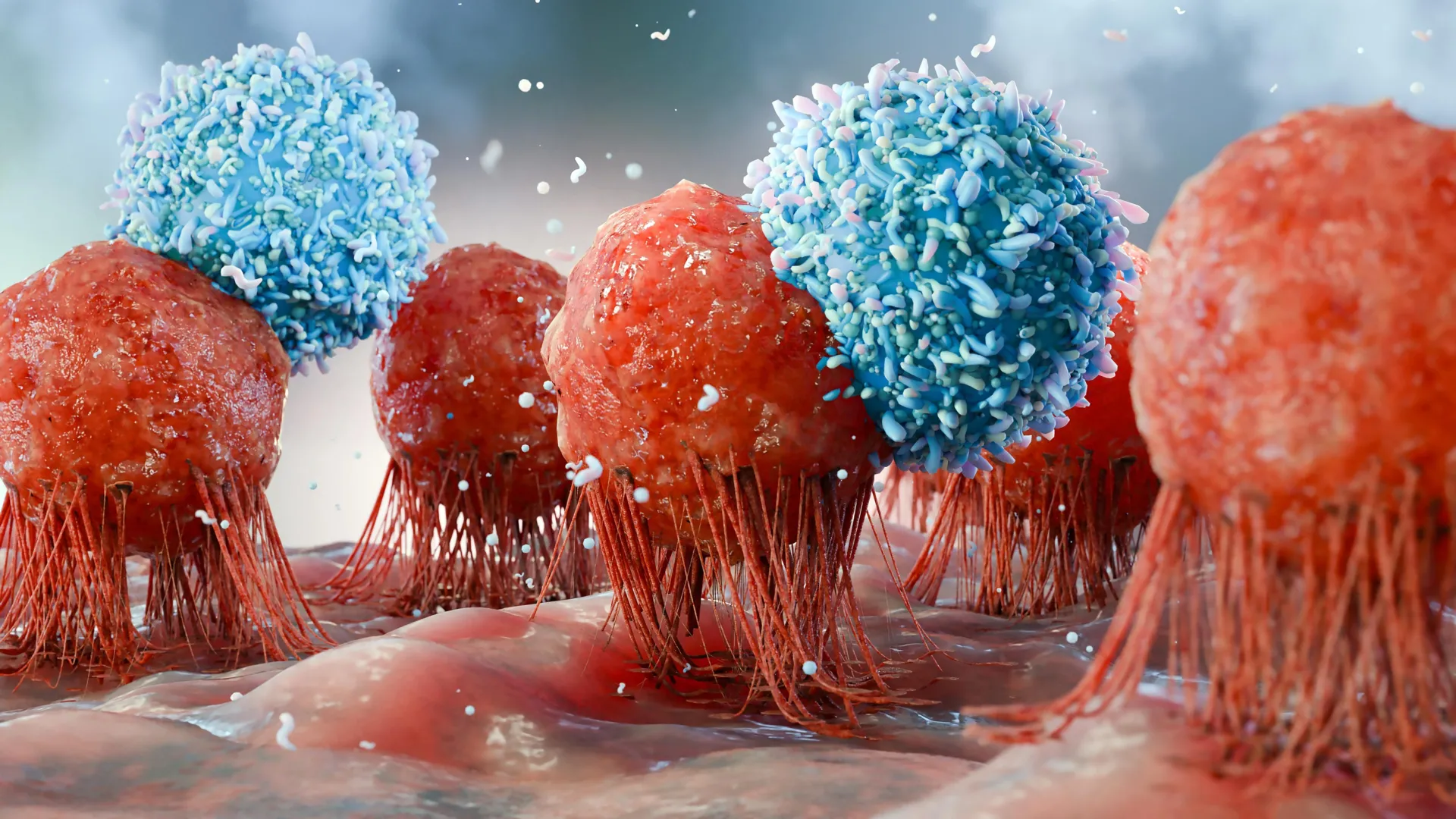
The USC team worked with granulocyte-monocyte progenitors, or GMPs, immature cells that normally develop into macrophages and other immune defenders. Researchers found they could expand GMPs in the laboratory without losing their capacity to form working immune cells.
The cells could also be genetically modified to recognize cancer markers and enhance wider immune responses. The study, published in Cell, describes a platform that may make it easier to prepare large quantities of engineered cells for treatment.
Results in mouse experiments
In experiments with mice, the engineered cells established themselves in bone marrow and produced new immune cells. The researchers also reported slower progression of both blood cancers and solid tumors.
Macrophages, which can engulf unwanted material and send signals to other immune cells, are of interest for cancer treatment. They can move into tissues and penetrate tumors, a potential advantage in treating solid cancers.
A challenge to prevailing views
Blood-forming stem cells are traditionally considered the main blood-system cells able to renew themselves over the long term. Progenitor cells such as GMPs are further developed and are generally thought to have more limited self-renewal capacity.
USC researchers found that, under controlled laboratory conditions, GMPs could keep dividing while maintaining their identity and ability to produce functional immune cells. Corresponding author Qi-Long Ying said the work establishes a scalable, engineerable platform and may have implications beyond cancer treatment.
Potential and remaining limits
The researchers describe the work as a promising direction for cancer treatment, with possible applications in infectious disease and other conditions. The reported tumor results came from mouse experiments.
Key points
- USC researchers expanded GMPs in the laboratory while preserving their ability to form immune cells.
- The engineered cells persisted in mouse bone marrow and slowed blood cancers and solid tumors.
- The findings challenge the view that long-term blood-cell self-renewal is mainly limited to stem cells.
- The platform may provide a scalable source of cells for cancer immunotherapy.