Uranium Cubes Exposed Nazi Germany’s Nuclear Failure: The B8 Reactor’s Missing Resources
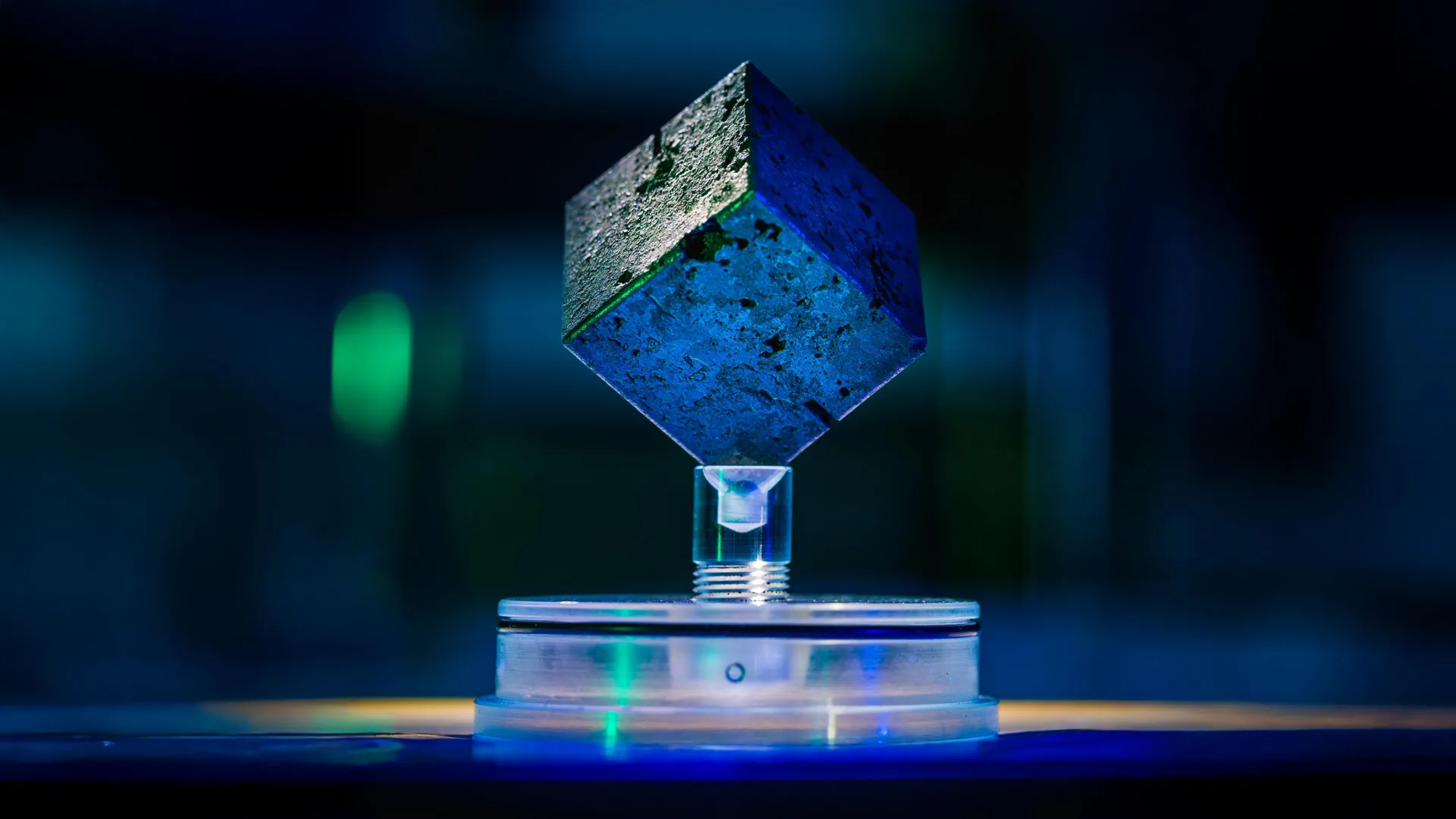
Germany’s wartime nuclear effort
The United States pursued the Manhattan Project in part because of fears that Germany might build an atomic bomb first. Germany’s Uranprojekt explored nuclear research, including the possibility of using a reactor to produce plutonium for weapons.
The B8 pile was Germany’s final experimental reactor, built in 1945 under Werner Heisenberg. It contained natural uranium cubes suspended in heavy water, which slows neutrons and can help sustain fission reactions.
A scarce reactor ingredient
Heavy water was difficult for Germany to obtain in the quantities its program needed. The only European plant able to supply the German effort was Norsk Hydro, at Vemork in Norway, which Germany took control of after occupying the country in April 1940.
Evidence from cubes and records
American forces found and dismantled the B8 reactor in 1945, before it had reached criticality—the point at which a chain reaction sustains itself. Heisenberg maintained that the apparatus was close and required only a modest addition of uranium.
Key points
- The B8 pile was Germany’s final experimental reactor, assembled in 1945 under Werner Heisenberg.
- The reactor never achieved criticality, the self-sustaining stage of a nuclear chain reaction.
- Researchers say B8 needed about twice its uranium and more than twice its heavy water supply.
- Allied attacks contributed to the end of heavy-water production at Vemork.