Young Iranian Woman’s Brutal Murder by Male Relatives Sparks Debate on Honor Killings
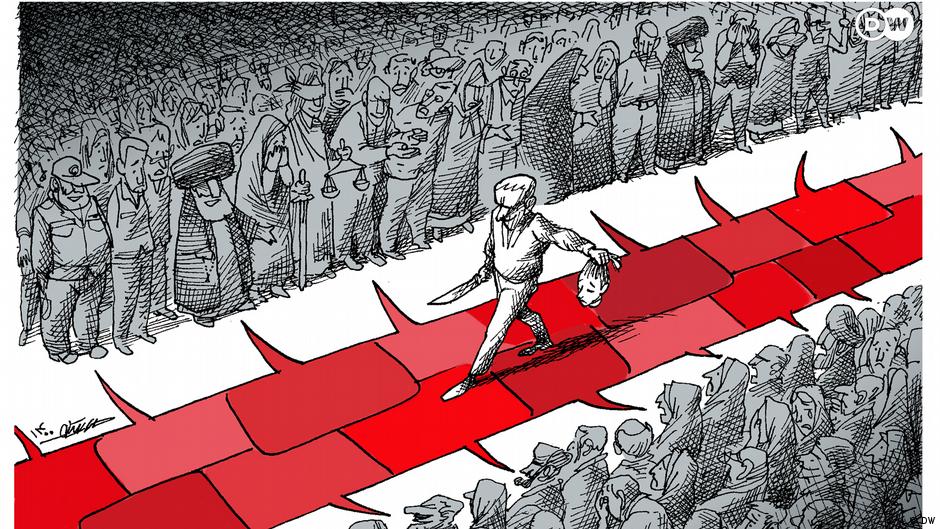
Attack and public reaction
Yarmohammadi was attacked in the early hours of Monday, October 5, 2026. She suffered severe injuries, including genital mutilation, and died soon afterward in hospital; her husband and brother were arrested.
Media reports said roughly 50 relatives gathered outside the hospital to oppose the arrests. They reportedly regarded death as the mildest penalty she should have received, though the alleged reason for their accusation has not been established.
The killing prompted grief and anger on social media. Some commenters blamed Yarmohammadi or described the attack as punishment for alleged infidelity, while others condemned violence carried out in the name of family honor.
A pattern of coercion
The case has revived discussion of so-called honor killings and social acceptance of violence against women. Such attacks are often tied to a belief that male relatives must answer for conduct they consider damaging to family standing.
Ideas about proper behavior can reflect family rules and local cultural expectations. In some conservative areas, ordinary social interactions, including laughing loudly or speaking with an unrelated man, may be treated as violations.
Women accused of crossing these boundaries may have little chance to defend themselves. The report says the motive in Yarmohammadi’s case remains unclear, despite similarities to this broader pattern.
Support and legal barriers
Women’s rights activists have worked to build support networks offering advice and protection. The Campaign to End Honor Killings has sometimes helped threatened women move to safer places and find shelter through civil society networks.
Campaign spokesperson Rezvan Moghaddam told DW that no activist or local organization in the area appeared able to help Yarmohammadi. She cautioned against treating her death as an indictment of activists in the region, saying she knew the restrictions there from her own roots in Khuzestan.
Iranian law, based on interpretations of Shariah, limits women’s equality in areas including education, work and travel, where decisions may require a father’s or husband’s consent. In murder cases, relatives can seek retribution or pardon the accused, creating a potential conflict when a relative is also involved in the alleged killing.
Scale of the problem
A 2020 study by Iran’s Police Academy said honor killings made up as much as 45% of murders in some conservative provinces in western and southern Iran. The study defined these killings as murders of women by male relatives over alleged breaches of modesty or family honor.
Key points
- Maryam Yarmohammadi died after an attack by her husband and brother on Qeshm Island.
- The reason her relatives considered her guilty has not been established.
- Iranian law allows relatives of murder victims to seek retribution or pardon an accused person.
- A UN report recorded at least 179 women killed by male family members in Iran in 2024.