A century after Namibia genocide, Germany is still struggling to come to terms with its colonialist past
Descendants seek recognition
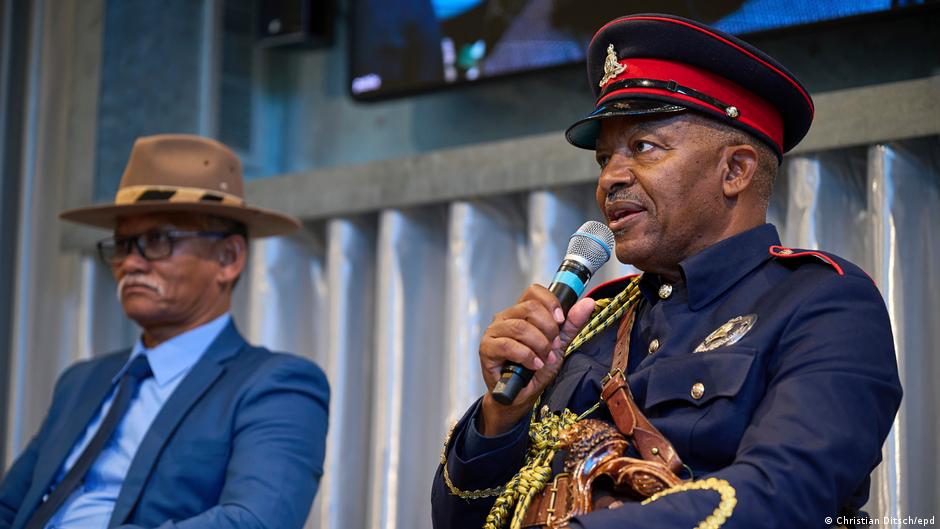
Gaob Daniel Timotheus Frederick traveled from Namibia to watch the Bundestag debate. His family has waited almost 120 years for the return of the remains of his ancestor, Cornelius Frederick, a Nama resistance leader who died on Shark Island. Frederick, representing the Nama Traditional Leaders Association, called for an “unconditioned apology.” Paramount Chief Mutjinde Katjiua urged lawmakers to recognize the genocides against the Ovaherero and Nama peoples.
The scale of colonial violence
From 1904 to 1908, the German Empire waged a war of extermination against Indigenous peoples in southwestern Africa, including the Ovaherero, Nama, Damara and San. At least 100,000 people were killed and as many displaced; many others endured forced labor and forced prostitution.
Land seizures and expropriation from that period continue to affect descendants. Historian Jürgen Zimmerer said the Bundestag has recognized other genocides but has not recognized the genocide against the Herero and Nama.
Aid and reparations dispute
The Left Party initiated the debate with a resolution calling for full recognition and compensation, developed with descendants’ representatives. Katjiua rejected the existing government proposal, saying development aid cannot replace comprehensive reparations.
Since 2021, Germany and Namibia have negotiated a declaration promising €1.1 billion in reconstruction aid over 30 years. Germany’s president is expected to issue a formal apology if it is signed, but the Foreign Ministry says recognition would not establish legal compensation claims.
Political will remains contested
Zimmerer said recognition could happen quickly if political will existed. He also argued that financial concerns shaped the government’s position, pointing to the potential cost of reparations. Political scientist Andreas Mehler described the proposed approach as “checkbook diplomacy.” The current German coalition agreement devotes four lines across 144 pages to its commitment to reconciliation with Namibia, including efforts to address colonialism and return cultural property.
Key points
- The Bundestag debated recognition of the genocide against the Ovaherero and Nama.
- Descendants are seeking an apology, the return of human remains and reparations.
- A proposed declaration pledges €1.1 billion in reconstruction aid over 30 years.
- Germany says the proposed recognition would not create legal compensation claims.