How a century-old Kuomintang building can tell Australia’s wider story
A headquarters in Haymarket
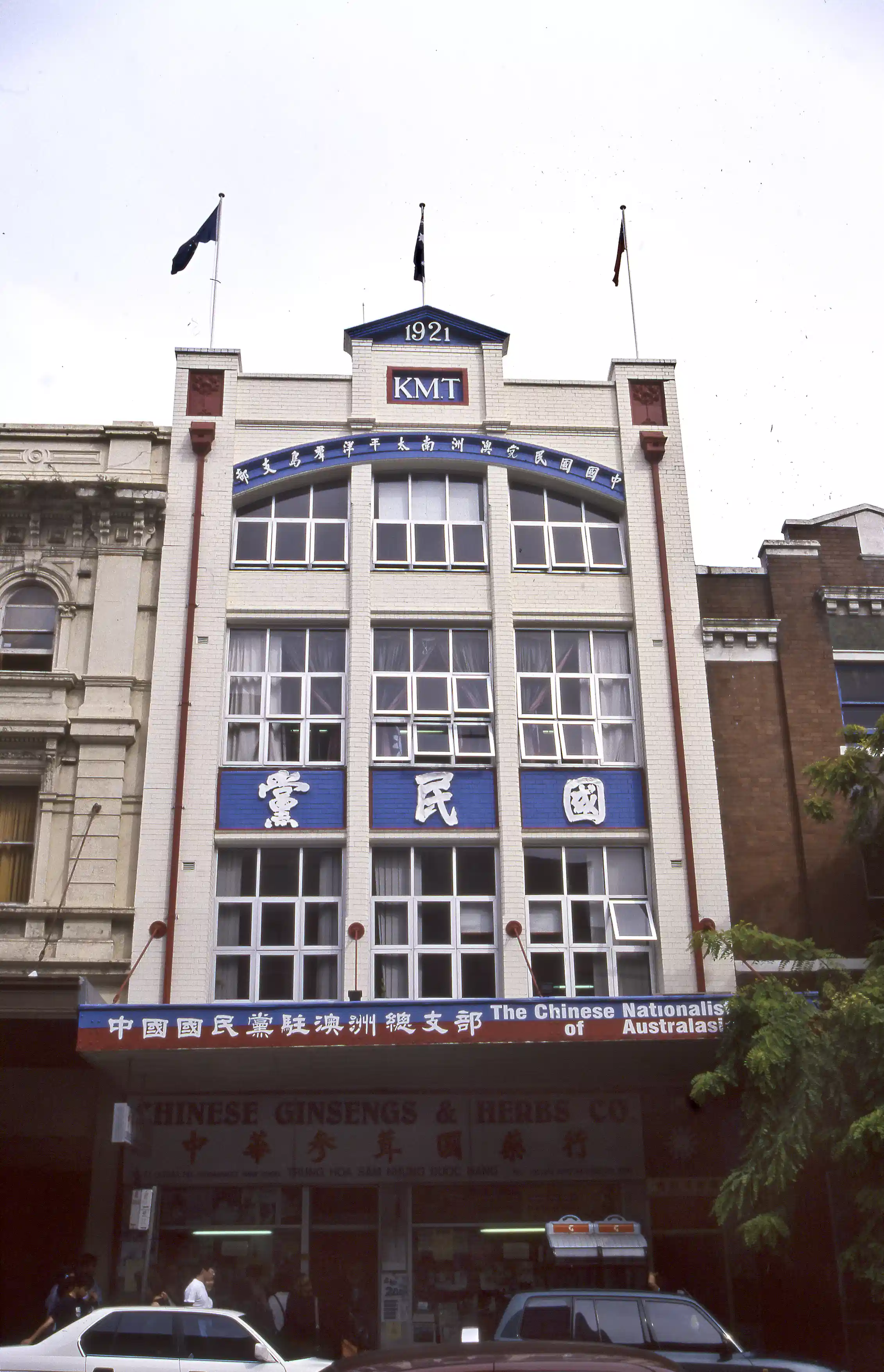
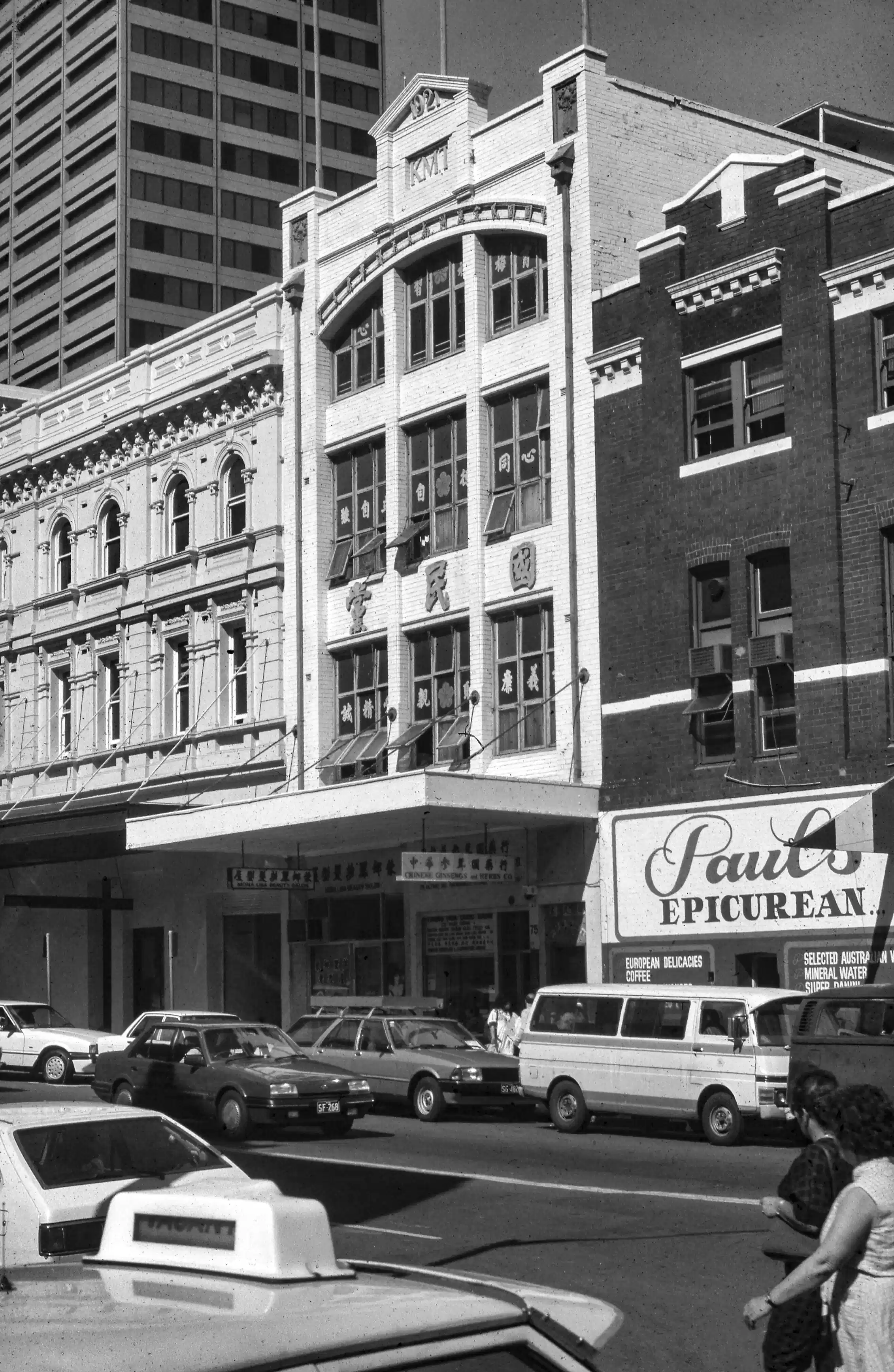
The City of Sydney has heritage-listed the site. Its significance includes not just the structure but also the archives, objects and stories kept there, which offer a different perspective on Australia’s past.
Sydney as a regional hub
Chinese Australian history is often told through arrivals: miners, market gardeners, merchants and families who faced White Australia policies and made lives in the country. That account is true, but it can make Sydney seem like the end of the journey.
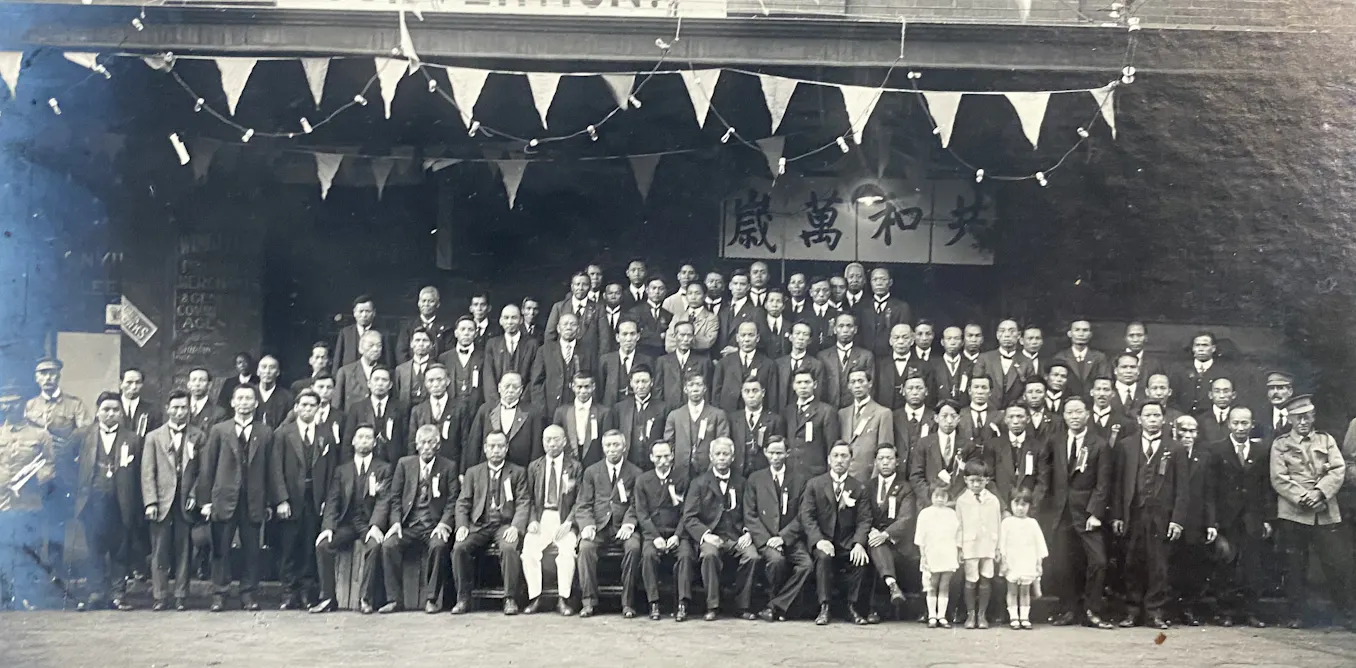
For the KMT’s founders and supporters, the city was also a centre of activity. Newspapers in Chinese, communications, shipping and political organisations connected Sydney with Hong Kong, Japan, San Francisco, Vancouver and the Pearl River Delta. Chinese Australians raised money, held meetings and debated China’s future from Australia.
The party’s meaning shifted through war with Japan, China’s civil war, the Cold War, authoritarian government in Taiwan and Taiwan’s move towards democracy. The building shows that Australia was involved in regional political history well before the 1970s.
Different memories of the party
A discussion at the Museum of Chinese in Australia brought together migrants from mainland China, Hong Kong and Taiwan, descendants of Sydney families, policymakers, history enthusiasts and students. Questions about divided loyalties and changing views of immigration connected the building’s past with concerns today.
Heritage and difficult histories
The building’s history reflects how migrants bring political experiences and memories alongside language, food and traditions. Those memories can conflict with the experiences of neighbours, even within communities connected by migration.
Heritage recognition, then, involves more than celebrating cultural diversity. Making the past accessible also means acknowledging difficult political histories and their unresolved differences.
Key points
- The KMT building in Haymarket was built in 1921 and later became its Australasian headquarters.
- Sydney connected Chinese Australian political activity with networks spanning Asia and North America.
- Different communities remember the Kuomintang through distinct political experiences.
- The site’s heritage value includes its archives, objects and contested histories.