Egyptian farmer found a pink stone that led to Ramses II statues
A discovery on farmland
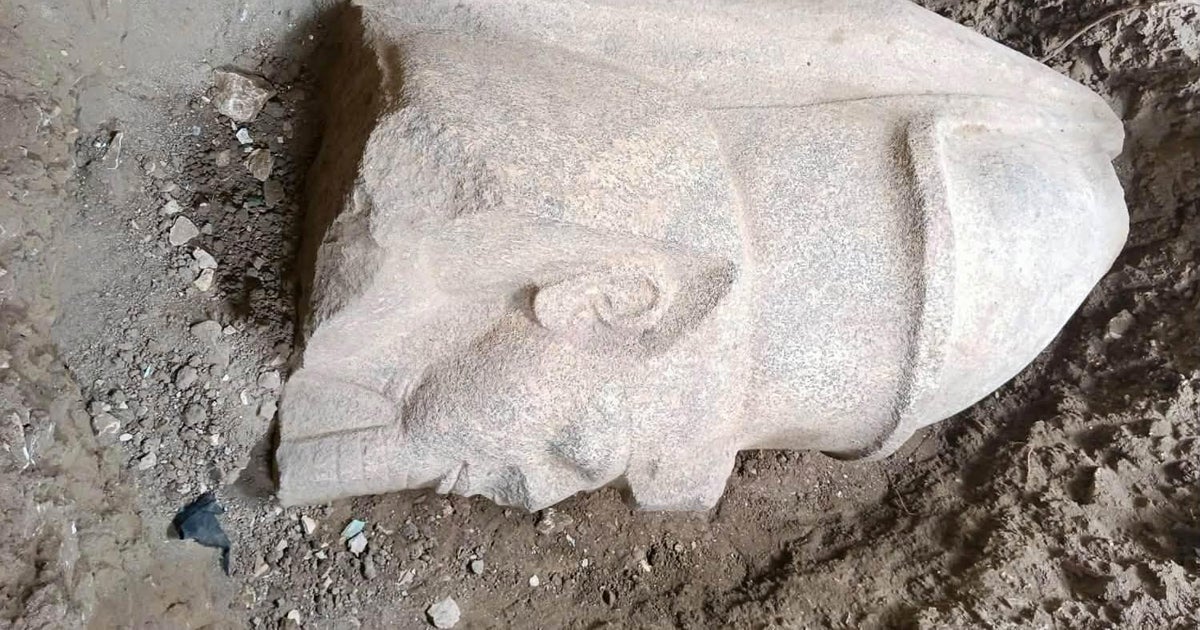
Al-Shahat was working on his land in Al Gharbia Governorate in the Nile Delta when he found an unusual pink rock. Archaeologists later identified it as an ancient granite block measuring about 1.3 meters long.
The Ministry of Tourism and Antiquities said the block bears two titles of Ramses II: “Nesw-Bity,” meaning King of Upper and Lower Egypt, and “Sa-Ra,” meaning Son of Ra, the sun god. Ramses II ruled Egypt from 1279 B.C. to 1213 B.C.
Statue remains emerge
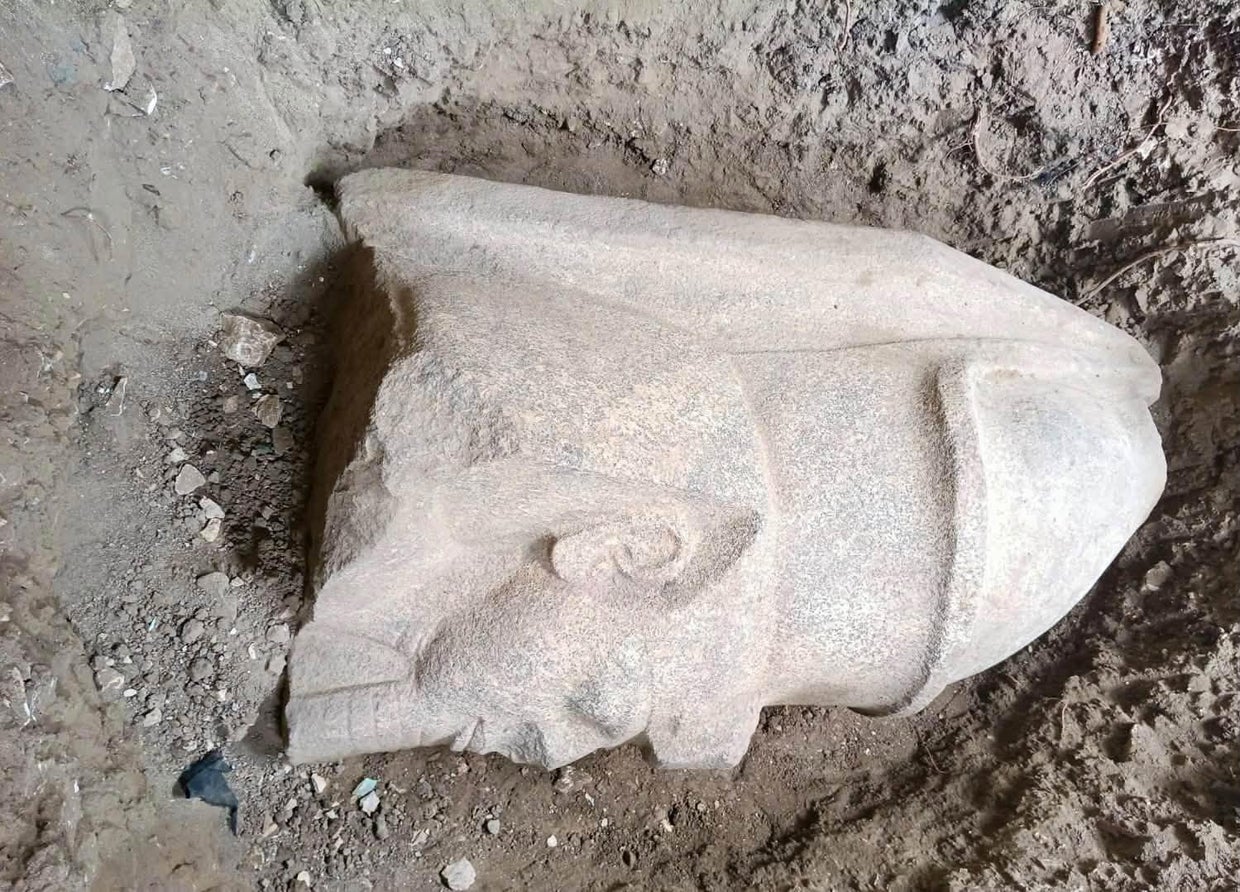
Excavators also found part of a statue’s back pillar, bearing Ramses II’s formal royal title, or Horus name: Hor Ka Nakht Mery Maat. Most of a second royal statue, also believed to represent Ramses II, was uncovered.
Farmer honored as work continues
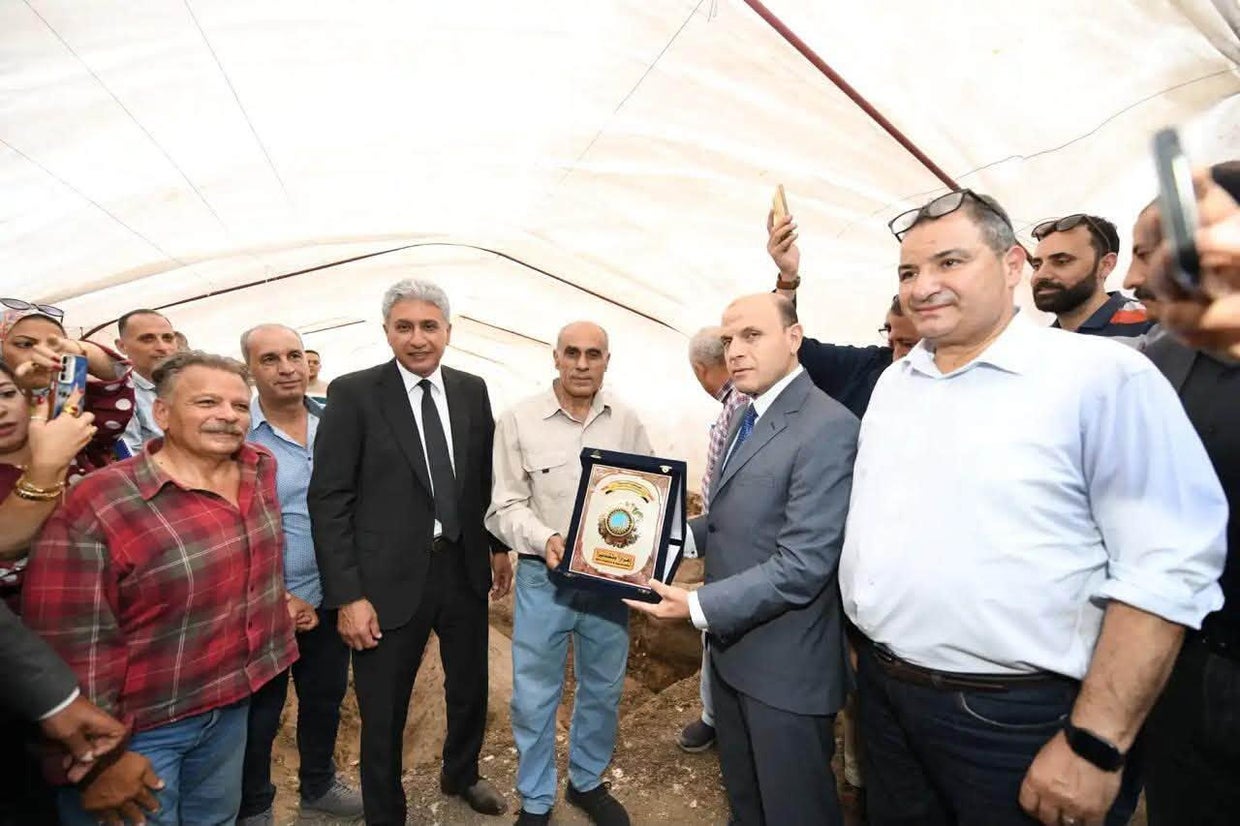
On Wednesday, Tourism and Antiquities Minister Sherif Fathy visited al-Shahat’s hometown to honor him. The ministry said Fathy wanted the recognition to take place in the village, on al-Shahat’s land, and among his family and fellow villagers.
Al-Shahat told CBS News he was surprised and happy when more antiquities were discovered. He said he was told the finds might change the history of the area.
Key points
- Khaled al-Shahat found an unusual pink stone while working on his land.
- The 1.3-meter granite block bears two royal titles of Ramses II.
- Archaeologists uncovered remains of two statues believed to depict Ramses II.
- Excavations continue as researchers study the finds and the area’s history.