Viennese dog owners told to bring a bottle and rinse pets’ urine from trees to protect greenery
A neighbourhood campaign
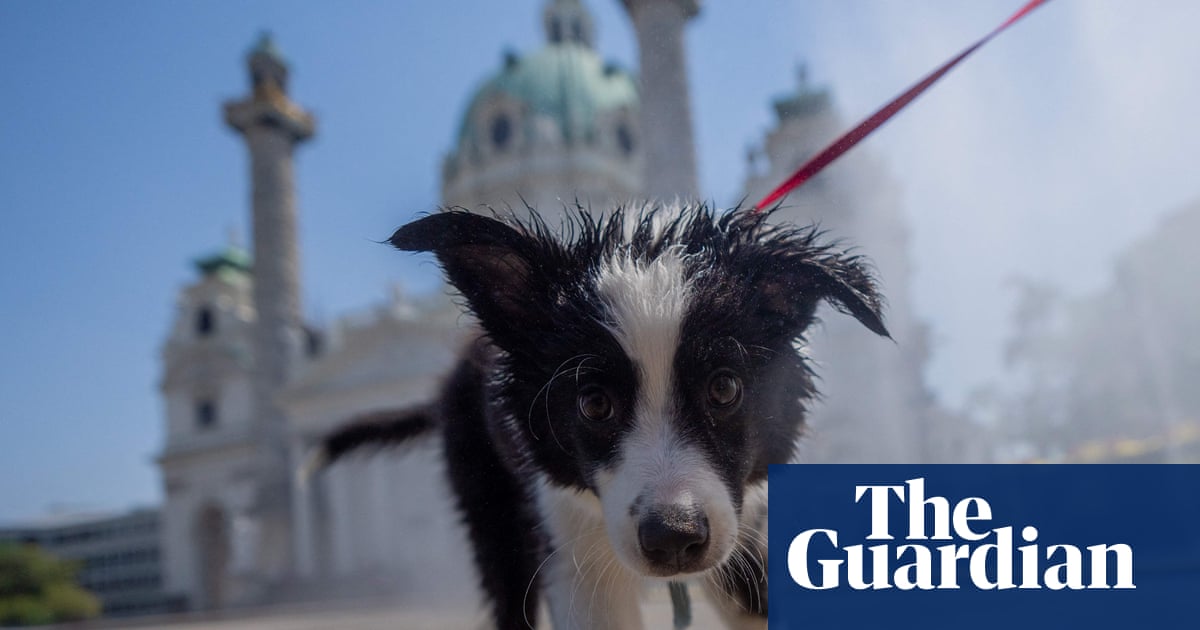
The Schönes Gassi initiative sets out guidance for walking dogs in a Vienna neighbourhood. Owners are asked to carry tap water in bottles and rinse spots where their dogs urinate.
The campaign also encourages people to bring plastic bags and pick up after their pets. Grätzllabor, a community group whose name comes from Viennese slang for a neighbourhood, said the effort began with concerned local residents.
Why trees are at risk
Fresh dog urine dissolves readily in water. Diluting it lowers the concentration of ammonia and other substances that can enter the soil, and can also reduce the smell.
Training instead of bans
Dog trainer Conny Sporrer said the campaign could prevent stronger measures in response to animal waste. She told reporters that many pets can learn where to relieve themselves.
Sporrer said Vienna did not need widespread dog bans or unrestricted urination in public spaces. She called for consideration, education and enough suitable facilities for dogs.
Berlin takes another approach
Berlin is also responding to concerns about dog urine. The city has stopped planting black locust trees in some places because the species is especially sensitive to urine. More than 100,000 dogs are kept as pets in Berlin, following an increase in ownership during the pandemic.
Key points
- Vienna’s Schönes Gassi campaign asks owners to rinse dog urine with bottled tap water.
- The neighbourhood has about 600 dogs and roughly 250 trees planted over the past decade.
- Grätzllabor says urine can contribute to tree stress, rot and reduced stability.
- Berlin has halted planting black locust trees in some areas because they are sensitive to urine.