In Hamburg, AI-assisted euthanasia prompts film that considers robots as caregivers and questions of choice
A robot enters care
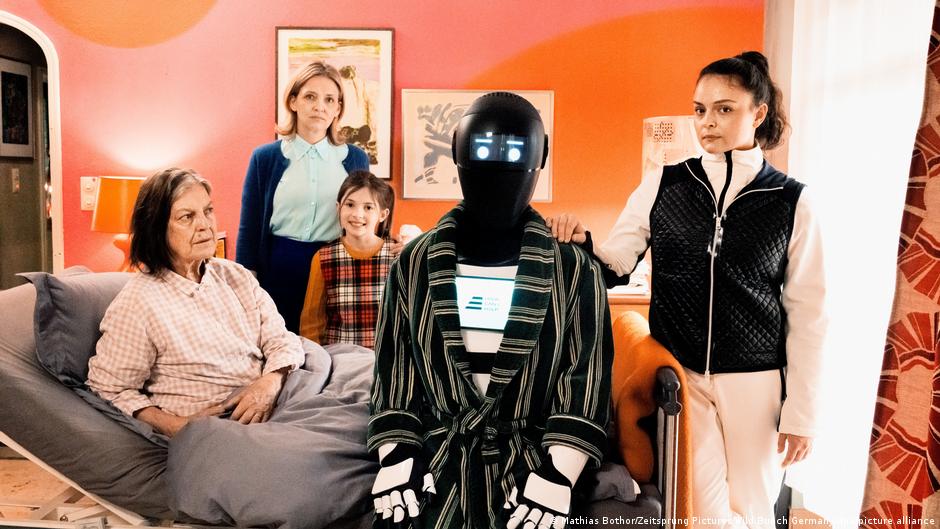
Set in near-future Hamburg, Dörrie’s film follows Mrs. Winkler, an older woman who can no longer live alone after a fall. Her daughter cannot provide continuous care, so a care robot appears to offer a solution.
The machine, named Pavlovich, helps with everyday life and includes an end-of-life mode. Under specified conditions, it can assist with dying if the person clearly wants to end their life and meets medical criteria.
Choice under pressure
The film raises questions about aging, family responsibility and whether people can decide freely when they reach a certain state of health. In the story, people may make their own decision, but cannot reverse it afterward.
Dörrie describes the issue as difficult because a person may feel pressure from costs or from not wanting to burden loved ones. The film also asks whether AI could assess the expense of care and judge whether supporting an older person remains worthwhile.
Care beyond Germany
Dörrie’s story touches on challenges facing aging societies, including Germany, Japan and China. Though set in Germany, its concerns about caregiving and dying on one’s own terms have wider relevance.
The film refers to the Japanese legend of Narayama, in which eldest children took aging parents to a mountain and left them to die amid food shortages. Dörrie said the legend connects with current debates about whether societies can afford for people to live longer.
AI and human attachment
Dörrie does not present AI as simply harmful. Pavlovich helps Mrs. Winkler rediscover some enjoyment of life and leave the house, while the film uses dark humor to show how an end-of-life option can be presented as easy and reassuring.
Dörrie said people can form emotional bonds with robots because they tend to treat things that move and speak as living beings. She said people still need to learn to recognize when they are speaking with a machine rather than a living being.
Key points
- Mrs. Winkler turns to a care robot after a fall leaves her unable to live alone.
- The robot’s end-of-life mode raises questions about assisted dying and medical conditions.
- Dörrie explores how financial and family pressures may affect decisions about dying.
- The film shows that robots may offer practical care and inspire emotional attachment.