Recycling e-vapes, smartwatches could reduce Europe's dependence on foreign powers for critical minerals
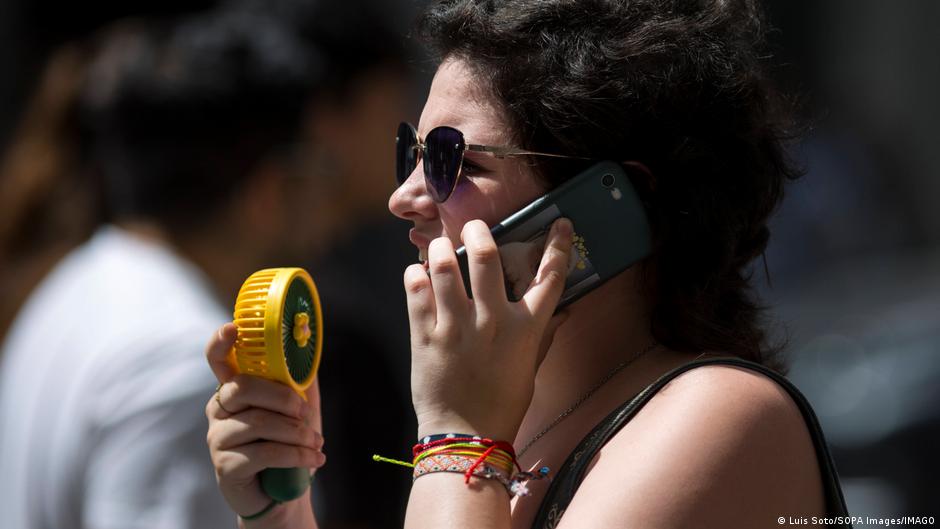
Sales of fast tech like mini fans and disposable e-vapes, as well as wearable health tech such as heart monitors and smart watches are soaring. They're creating a new e-waste problem but are full of hidden treasure.
From mini fans and the cheap chargers to smartwatches bought as part of a New Year's health kick, some 44% of Europeans own at least six "fast-tech" gadgets. And more than half say they keep unused and broken e-waste items languishing at home or throw them in the regular trash instead of recycling.
That's according to a new report by Brussels-based e-waste association WEEE Forum. It describes fast tech, which is booming, as charging and lighting devices under €10 (circa $11), high-tech items like power banks and fitness trackers, and gadgets and lifestyle appliances like cheap mini blenders and fans, as well as single-use electronic vapes.
"So, these electronics are a bit like fast fashion," Magdalena Charytanowicz, WEEE Forum's Communication Manager, told DW.
Nearly 40% of buyers recalled discarding a fast-tech item without using it at all or within a month of buying it, and nearly 60% said they had used a product for no longer than six months. Yet the vast majority of respondents were generally satisfied with their gadgets despite short-lived functionality.
This suggests consumers accept the "fast-tech bargain" of poor quality that "does the job for a while" and is easily replaced — similar to fast fashion — according to the report.
About 62 million tons of electronics are discarded worldwide annually. "That's the Great Wall of China of e-waste that is produced every year," noted Charytanowicz, adding that the figure is set to grow to 82 million by 2030.
In Europe, roughly 40% of electronic waste is recycled, yet the rate worldwide is just 17%. This means valuable materials are lost, while electronic waste ends up polluting the environment.
In 2022, a million tons of critical raw materials were embedded in the 10.7 million tons of e-waste generated across Europe, including manganese, gold, copper and aluminum.
These materials are at "the center of geopolitical tensions," Charytanowicz said, referring to escalating global tensions over access to rare earths and other critical minerals.
"Even the smallest" devices are worth recycling if they contain a circuit board or battery, she told DW.
Groups like WEEE Forum say more awareness raising is needed on how to dispose of cheap electronic devices, and that recycling should be made as easy as possible.
Dive deeper
- Sales of fast tech like mini fans and disposable e-vapes, as well as wearable health tech such as heart monitors and smart watches are soaring. They're creating a new e-waste problem but are full of hidden treasure.
- From mini fans and the cheap chargers to smartwatches bought as part of a New Year's health kick, some 44% of Europeans own at least six "fast-tech" gadgets. And more than half say they keep unused and broken e-waste items languishing at ho
- That's according to a new report by Brussels-based e-waste association WEEE Forum. It describes fast tech, which is booming, as charging and lighting devices under €10 (circa $11), high-tech items like power banks and fitness trackers, and
- "So, these electronics are a bit like fast fashion," Magdalena Charytanowicz, WEEE Forum's Communication Manager, told DW.
- Nearly 40% of buyers recalled discarding a fast-tech item without using it at all or within a month of buying it, and nearly 60% said they had used a product for no longer than six months. Yet the vast majority of respondents were generally