Terrifying safety loophole exposed after man is thrown to death from roller coaster
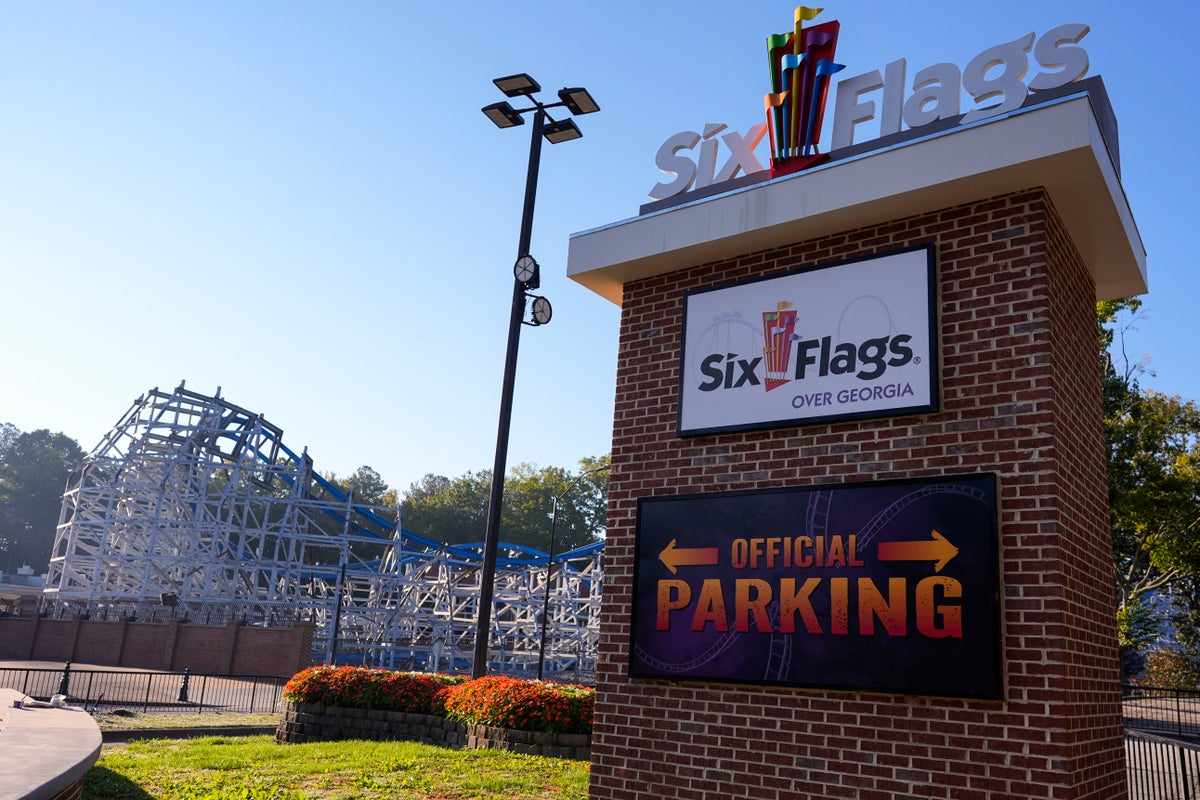
A man's death on a Six Flags roller coaster in Georgia has raised questions about ride safety and regulation
Want to bookmark your favourite articles and stories to read or reference later? Start your Independent Membership today.
A fatal accident on a Georgia roller coaster, where a rider was thrown from the attraction, has renewed scrutiny around amusement park safety as modern rides push for greater speeds and steeper drops.
Operating at the venue for two decades, Goliath uses a sheer drop from 200 feet (61 meters) to reach top speeds of 70 mph (112 kph), focusing on velocity and downhill plunges rather than turning riders upside down through loops or corkscrews.
Following the death, Six Flags temporarily closed nine similar coasters across North America, stating it was acting out of an abundance of caution. The ride's manufacturer, Bolliger & Mabillard, said it is "actively investigating the incident and will not comment further until we have a better understanding of what happened."
Across the United States, roller coasters and other attractions at major theme parks such as Six Flags are exempt from federal regulation, leaving oversight entirely up to individual state governments.
Critics contend this has created an inconsistent patchwork of laws, with certain states maintaining rigorous standards while others enforce little to no oversight.
Sen. Ed Markey of Massachusetts has introduced repeated legislation to close what he describes as a "loophole" in federal statute that allows officials to inspect mobile rides, yet bars the Consumer Product Safety Commission from regulating stationary park attractions.
Brian Avery, a University of Florida professor and amusement ride safety expert, also maintains that stricter national guidelines are required.
"Who’s watching those in these organizations to ensure that they are adequately trained, that they are compliant, that they are monitoring these rides to the level in which the standards have established?" Avery said.
Across the globe, theme park operators adhere to ASTM guidelines set by industry specialists. These standards dictate everything from ride design and construction to the maximum acceleration and forces a passenger may experience.
The sector relies on multiple layers of inspection, according to Dennis Speigel, a theme park consultant and past president of the International Association of Amusement Parks and Attractions. Operators face constant pressure from insurance carriers that could face major financial payouts if accidents occur.
Dive deeper
- A man's death on a Six Flags roller coaster in Georgia has raised questions about ride safety and regulation
- Want to bookmark your favourite articles and stories to read or reference later? Start your Independent Membership today.
- A fatal accident on a Georgia roller coaster, where a rider was thrown from the attraction, has renewed scrutiny around amusement park safety as modern rides push for greater speeds and steeper drops.
- Operating at the venue for two decades, Goliath uses a sheer drop from 200 feet (61 meters) to reach top speeds of 70 mph (112 kph), focusing on velocity and downhill plunges rather than turning riders upside down through loops or corkscrew
- Following the death, Six Flags temporarily closed nine similar coasters across North America, stating it was acting out of an abundance of caution. The ride's manufacturer, Bolliger & Mabillard, said it is "actively investigating the incide