’How do you explain the deletion of 130 million names?’ Why Indian voters are on the streets
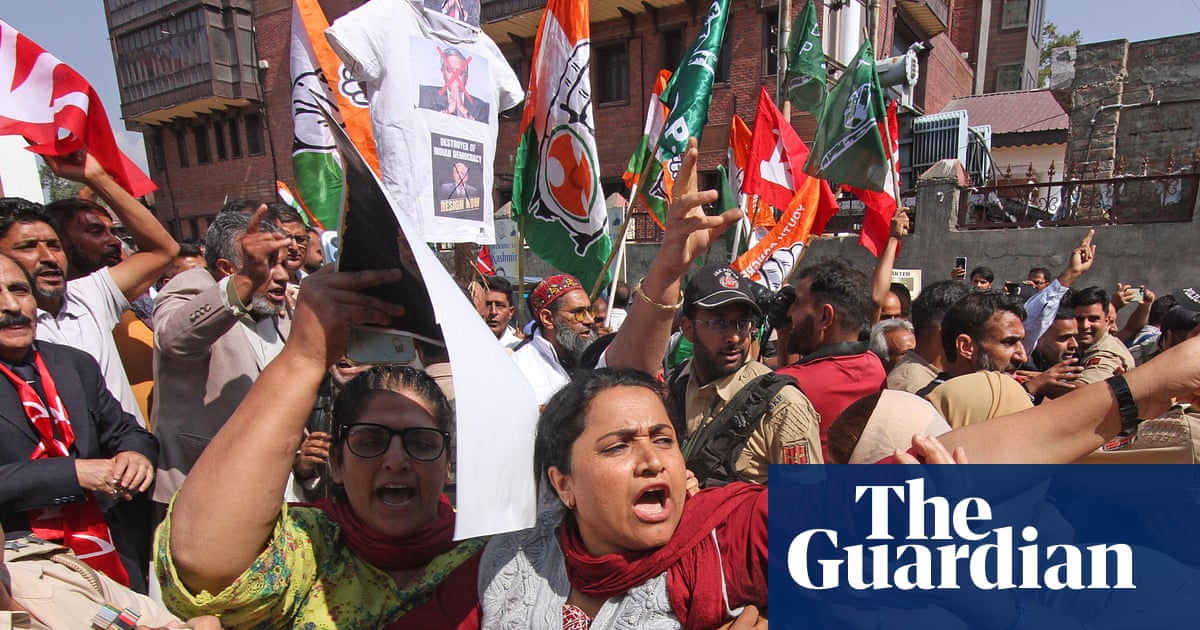
Anger at electoral roll changes has boiled over, sparking a crisis for Narendra Modi’s Hindu nationalist government
Born into a small village in West Bengal, Shahida Fakir had always taken her vote for granted. That was, until it was suddenly taken away. She presented officials with her Indian birth certificate and family land documents from the village going back to 1962.
The 38-year-old migrant worker, born into a poor Muslim family, was not alone. Since last year, 130 million names – more than the population of Japan – have been removed from India’s electoral roll through a process known as SIR, or special intensive revision. In the nearly eight decades since India’s independence, never have the voter rolls shrunk by such a huge amount over such a short time.
The Narendra Modi government has called SIR a legitimate exercise to clean up the electoral rolls. Overseen by the election commission, tens of millions of dead and duplicate names have been removed. Yet so have the names of millions of living Indian citizens.
In a matter of weeks, nationwide anger at SIR has boiled up and spilled out on to the streets of India’s biggest cities, presenting a formidable challenge to the government. Over the weekend, Delhi was transformed into a high-security fortress of barricades, roadblocks and tens of thousands of police and paramilitaries who detained thousands of people, as they attempted to stop youth-led protests calling for the man who oversaw SIR, the chief election commissioner, Gyanesh Kumar, to step down immediately.
Opposition and civil society leaders allege that SIR has already given the BJP an electoral advantage in states such as Bihar and West Bengal, claims the party denied. Others say the exercise has had even more concerning implications: under changes to SIR unilaterally implemented by Kumar, the election commission has become the arbiter of Indian citizenship, a sweeping overreach of its remit.
Fakir was among them. Just three months after the voter list was published – and while her hearing to challenge her exclusion was pending – she was picked up by police and accused of being an illegal Bangladeshi immigrant.
A Bangladesh border guard officer confirmed Fakir’s account. “We checked all her documents and are convinced that she is an Indian citizen,” they said. In September, her family submitted a petition to the supreme court challenging her deportation. The Indian government was given a month to respond.
Those across West Bengal who have been stripped of their votes speak of their terror of being accused of being an alien in their own land. Some have had benefits taken away. Mohammad Hedayet Ullah Siddiqui, 80, from the North 24 Parganas district, said his grandfather had been a freedom fighter for Indian independence and three generations of his family were on the voter rolls. Yet after SIR, Siddiqui described his “humiliation” on finding his name gone.
Critics say the problems began in 2023, when the Modi government changed the process for appointing the three-body election commission, giving majority control to the government for the first time. Within a matter of months, the Modi-led panel had appointed Kumar as the election commissioner in spite of opposition objections.
“For decades, the election commission was one of our more credible, independent bodies, but now that has been eroded,” said Ronojoy Sen, a senior fellow at the South Asian Studies Programme, National University of Singapore.
Despite concerns over SIR rumbling on for months, it did not spark national protests until the Indian Express newspaper last month revealed that two members of the election commission had raised 14 objections to how voters were being excluded from the rolls, but they were unilaterally overruled by Kumar.
Dive deeper
- Anger at electoral roll changes has boiled over, sparking a crisis for Narendra Modi’s Hindu nationalist government
- Born into a small village in West Bengal, Shahida Fakir had always taken her vote for granted. That was, until it was suddenly taken away. She presented officials with her Indian birth certificate and family land documents from the village
- The 38-year-old migrant worker, born into a poor Muslim family, was not alone. Since last year, 130 million names – more than the population of Japan – have been removed from India’s electoral roll through a process known as SIR, or special
- The Narendra Modi government has called SIR a legitimate exercise to clean up the electoral rolls. Overseen by the election commission, tens of millions of dead and duplicate names have been removed. Yet so have the names of millions of liv
- In a matter of weeks, nationwide anger at SIR has boiled up and spilled out on to the streets of India’s biggest cities, presenting a formidable challenge to the government. Over the weekend, Delhi was transformed into a high-security fortr