Flying foxes in NSW and Victoria face mass starvation amid food shortages
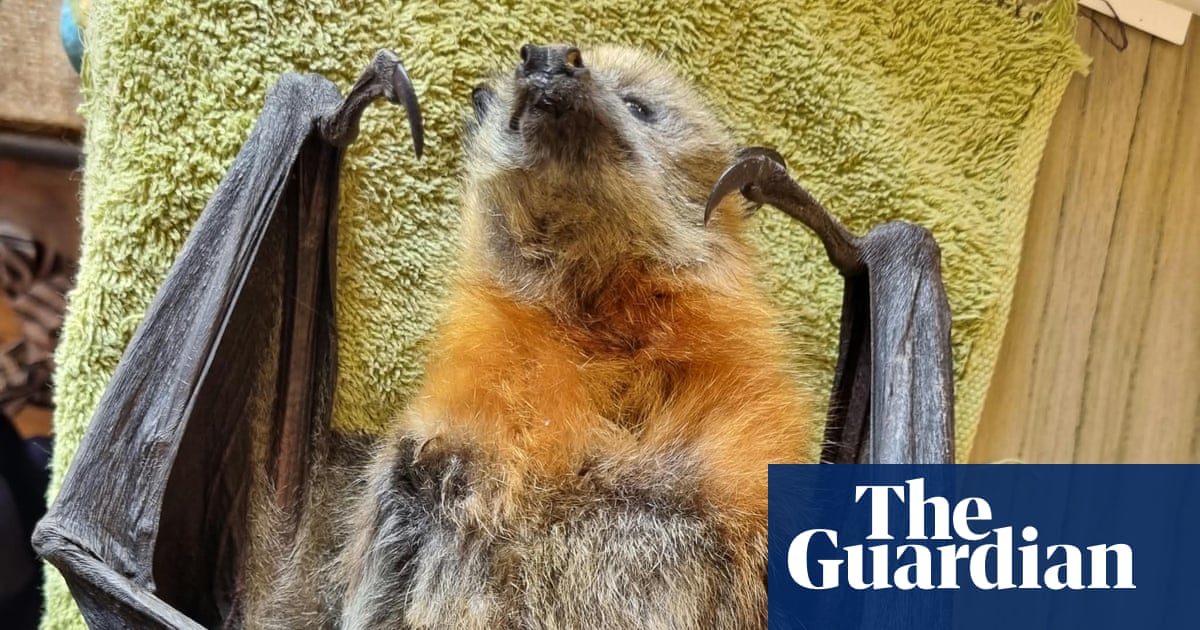
Rescuers respond to surge in callouts for the vulnerable bat species, which usually feeds on blossoms and tree nectar
Flying foxes are starving en masse across New South Wales and parts of Victoria, with wildlife rescuers responding to a surge in reports of “exhausted and emaciated” adults and skeletal pups.
They are now facing food shortages across NSW, from the northern rivers to the south coast, according to the state’s environment department. Rescue organisations in Victoria are also experiencing an uptick in callouts, particularly in East Gippsland and Castlemaine.
Rachael Smethurst, the bat coordinator at Fawna wildlife rescue on the NSW mid-north coast, said the organisation was receiving 50 to 90 calls each day – more than the total number of callouts for bats in the previous nine months.
Flying foxes were staying in back yards because they lacked the energy to fly back to camp, she said. Many were already dead, including pups that had been born prematurely.
Wildlife rescue organisation Wires said the mass starvation event was likely the result of habitat loss and a dry winter, with poor seasonal flowering of eucalypts and other natives.
Some animals were displaying unusual behaviour as they struggled to find food and water. “They’re eating off the ground, drinking water from the grass after the rain, and hanging too low in trees.”
Dive deeper
- Rescuers respond to surge in callouts for the vulnerable bat species, which usually feeds on blossoms and tree nectar
- Flying foxes are starving en masse across New South Wales and parts of Victoria, with wildlife rescuers responding to a surge in reports of “exhausted and emaciated” adults and skeletal pups.
- They are now facing food shortages across NSW, from the northern rivers to the south coast, according to the state’s environment department. Rescue organisations in Victoria are also experiencing an uptick in callouts, particularly in East
- Rachael Smethurst, the bat coordinator at Fawna wildlife rescue on the NSW mid-north coast, said the organisation was receiving 50 to 90 calls each day – more than the total number of callouts for bats in the previous nine months.
- Flying foxes were staying in back yards because they lacked the energy to fly back to camp, she said. Many were already dead, including pups that had been born prematurely.