Scientists find hidden driver of aging and a simple amino acid that fights memory loss in mice
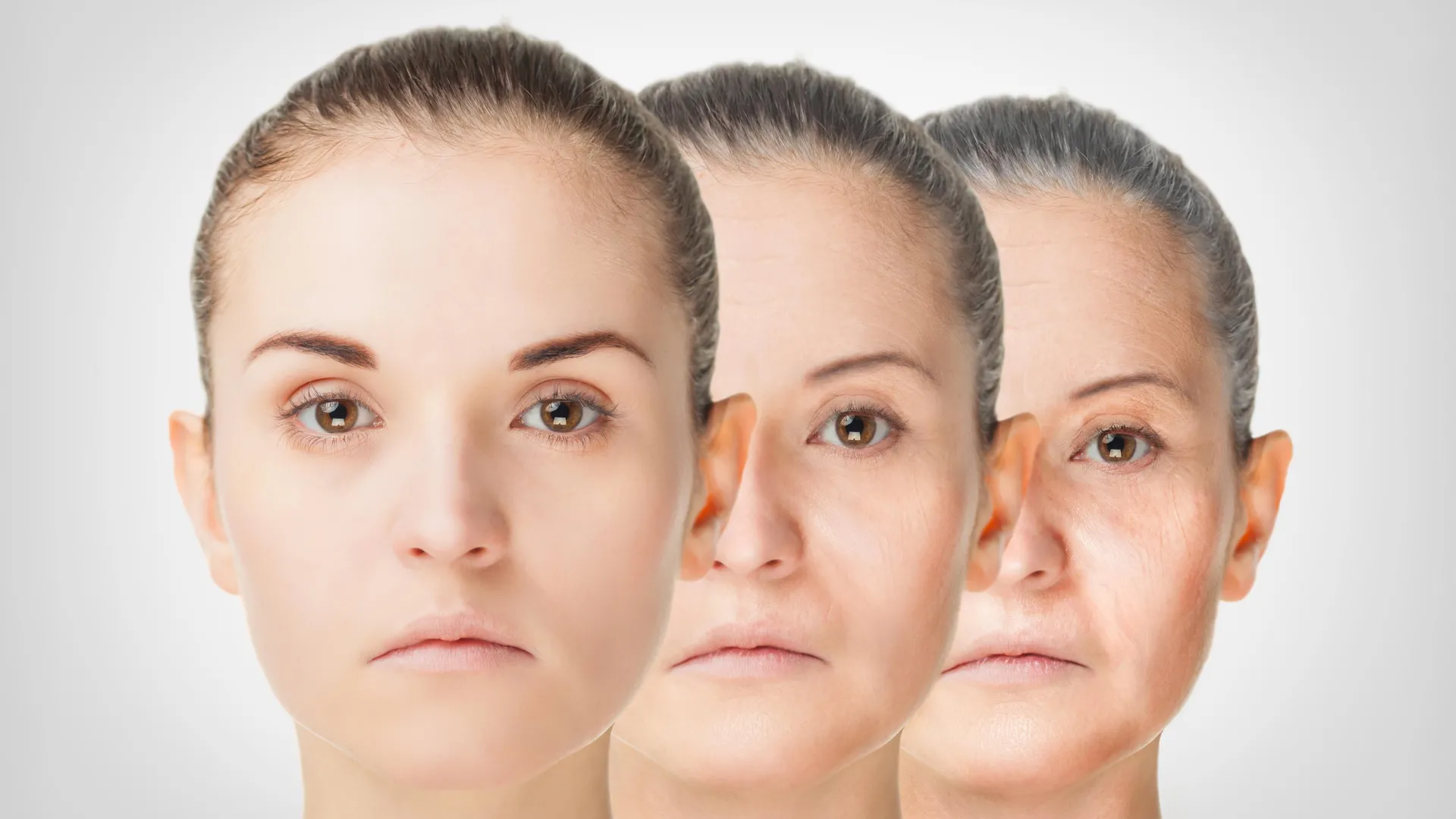
What if some of the changes we associate with aging begin with the loss of a single protein deep inside the brain? Scientists investigating that possibility found that restoring a protein called Menin in older mice improved memory, balance, bone mass, and skin thickness in just 30 days. Even more surprisingly, supplementing the animals with a naturally occurring amino acid improved their learning and memory in only three weeks.
The findings, originally published in March 2023 in PLOS Biology, came from researchers led by Lige Leng of Xiamen University in China. Their experiments identified a previously overlooked connection between inflammation, brain chemistry, and aging throughout the body. Although the results were obtained in mice, they raised an intriguing possibility: Some effects of aging may be influenced by biological processes in the brain that scientists could eventually learn to modify.
Research published since then has added evidence that the brain plays an important role in regulating aging. It has also revealed why the seemingly simple supplement findings deserve careful interpretation.
At the center of the discovery is the hypothalamus, a small but powerful region near the base of the brain. It helps regulate essential functions such as body temperature, hunger, metabolism, sleep, and hormone production. Because these systems affect nearly every organ, changes in the hypothalamus can have consequences throughout the body.
Scientists have increasingly recognized the hypothalamus as an important player in aging. One possible reason involves neuroinflammation, the brain's inflammatory response. Although inflammation helps protect against infections and injuries, persistent inflammation can interfere with normal cellular function and contribute to age-related deterioration.
Earlier work by Leng and colleagues had identified Menin as a protein that helps restrain inflammation in the hypothalamus. Menin also participates in regulating gene activity, allowing it to influence multiple biological pathways.
The researchers wanted to understand what happens when this protective protein begins to disappear with age.
They discovered that Menin levels gradually declined in certain hypothalamic neurons as mice grew older. Interestingly, the same decrease was not observed in astrocytes or microglia, two other important types of brain cells involved in supporting neurons and managing immune responses.
To investigate whether this decline actually contributed to aging, the team developed genetically modified mice in which Menin could be selectively disabled.
The results were striking. Mice with reduced Menin activity developed greater inflammation in the hypothalamus, thinner skin, reduced bone mass, and worsening cognitive performance. Their lifespans were also modestly shortened.
Rather than simply accompanying aging, the loss of Menin appeared capable of helping drive several of its characteristic changes.
The researchers then asked an even more interesting question: If declining Menin contributes to aging, could restoring the protein reverse some of the damage?
Dive deeper
- What if some of the changes we associate with aging begin with the loss of a single protein deep inside the brain? Scientists investigating that possibility found that restoring a protein called Menin in older mice improved memory, balance,
- The findings, originally published in March 2023 in PLOS Biology, came from researchers led by Lige Leng of Xiamen University in China. Their experiments identified a previously overlooked connection between inflammation, brain chemistry, a
- Research published since then has added evidence that the brain plays an important role in regulating aging. It has also revealed why the seemingly simple supplement findings deserve careful interpretation.
- At the center of the discovery is the hypothalamus, a small but powerful region near the base of the brain. It helps regulate essential functions such as body temperature, hunger, metabolism, sleep, and hormone production. Because these sys
- Scientists have increasingly recognized the hypothalamus as an important player in aging. One possible reason involves neuroinflammation, the brain's inflammatory response. Although inflammation helps protect against infections and injuries