Eating olive oil before carbs has a surprising effect on blood sugar
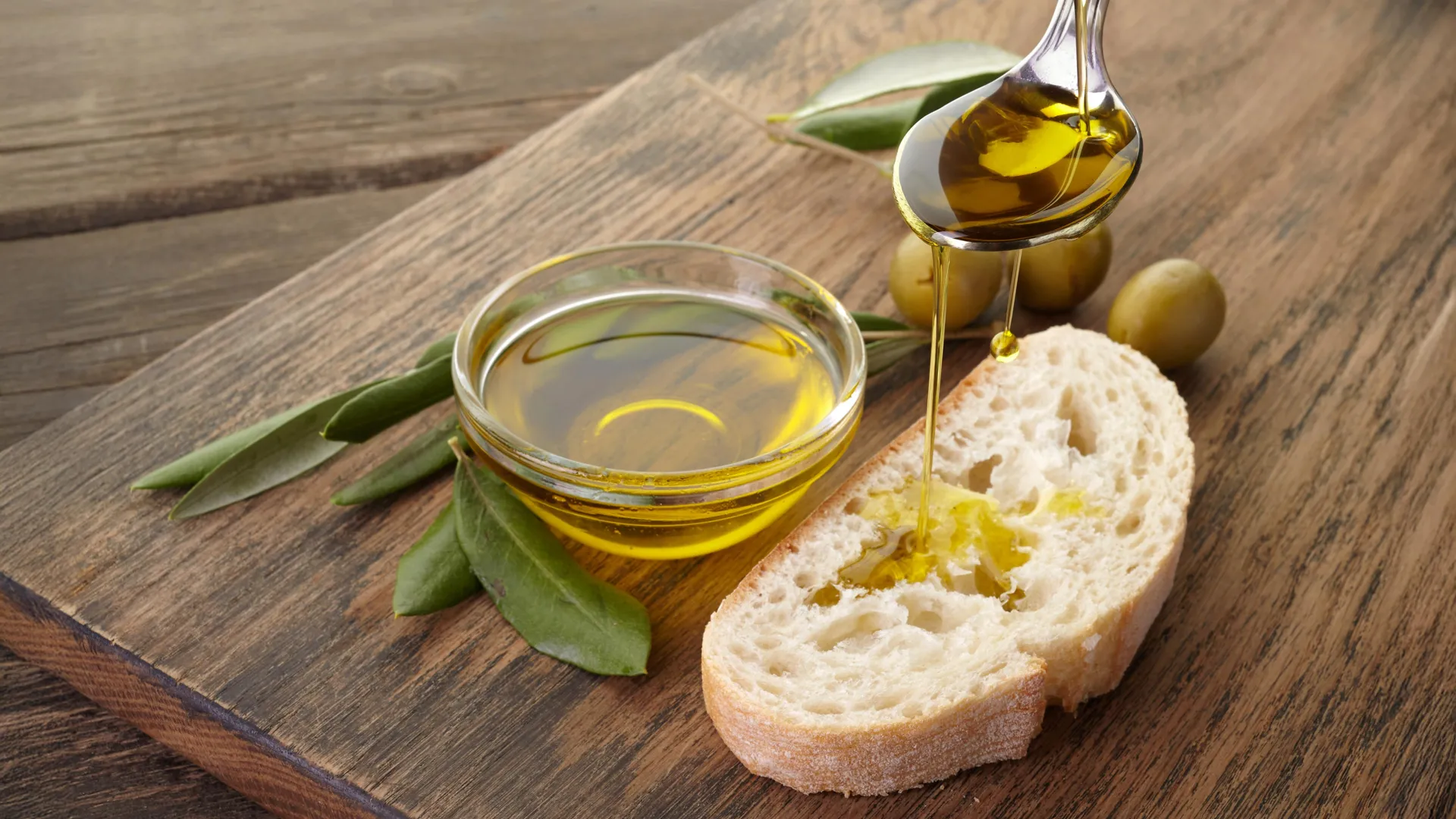
Eating fat before carbs dramatically reduced blood sugar spikes in mice, revealing a surprisingly simple strategy that could help people manage blood sugar.
The order in which you eat different foods may have a surprising effect on blood sugar levels. Research in mice suggests that consuming fat before carbohydrates can reduce the sharp rise in blood sugar that typically follows a meal. The findings also reveal how hormones and nerve signals work together to influence this response.
Keeping blood sugar from rising too high after eating is an important part of diabetes management. Previous clinical studies have shown that eating vegetables, protein, or fat before carbohydrates can help limit these increases. This suggests that changing the sequence of foods during a meal could offer a practical, sustainable way to improve blood sugar control without eliminating entire food groups.
Scientists have generally explained this effect through two main mechanisms. The first is slower gastric emptying, which means food moves from the stomach into the small intestine more gradually. The second involves increased release of hormones called incretins, including GLP-1, which help the body regulate blood sugar.
However, researchers have not fully understood how hormones produced by the gut and pancreas interact with the nervous system to produce these effects. To investigate, an international research team examined how consuming fat before or after glucose influences blood sugar, hormone activity, and the speed at which the stomach empties.
"Our group has long been interested in practical dietary approaches that people can continue in everyday life," says corresponding author Daisuke Yabe of Kyoto University. "Meal-sequencing is appealing because it merely changes how a meal is eaten rather than requiring people to avoid entire food groups."
The researchers conducted a series of experiments in mice to determine whether the timing of fat consumption affected how the body processed glucose.
After an overnight fast, the mice were assigned to three groups. One group received water followed by glucose. A second group was given olive oil, followed 15 minutes later by glucose. The third group received glucose first, with olive oil administered 15 minutes afterward.
The scientists then measured blood glucose levels and several hormones involved in blood sugar regulation, including insulin, glucagon, GIP, and GLP-1. Glucagon is normally associated with increasing blood sugar, while GIP and GLP-1 help regulate glucose levels after eating.
To determine how quickly material was leaving the stomach, the researchers also administered acetaminophen, a common pain reliever. By measuring how much of the drug appeared in the bloodstream after oral administration, they could estimate the rate of gastric emptying.
The team extended the experiments to additional groups of mice, including animals with type 2 diabetes and others that lacked the receptor needed to respond to GLP-1.
They also performed experiments that blocked glucagon or GLP-1 signaling, surgically interrupted the vagus nerves below the diaphragm on both sides, and examined whether different dietary fats produced similar results. The vagus nerve is an important communication pathway between the brain and digestive system, helping coordinate functions such as digestion and hormone release.
Dive deeper
- Eating fat before carbs dramatically reduced blood sugar spikes in mice, revealing a surprisingly simple strategy that could help people manage blood sugar.
- The order in which you eat different foods may have a surprising effect on blood sugar levels. Research in mice suggests that consuming fat before carbohydrates can reduce the sharp rise in blood sugar that typically follows a meal. The fin
- Keeping blood sugar from rising too high after eating is an important part of diabetes management. Previous clinical studies have shown that eating vegetables, protein, or fat before carbohydrates can help limit these increases. This sugges
- Scientists have generally explained this effect through two main mechanisms. The first is slower gastric emptying, which means food moves from the stomach into the small intestine more gradually. The second involves increased release of hor
- However, researchers have not fully understood how hormones produced by the gut and pancreas interact with the nervous system to produce these effects. To investigate, an international research team examined how consuming fat before or afte