Trump promised to lower prices for Americans. Here
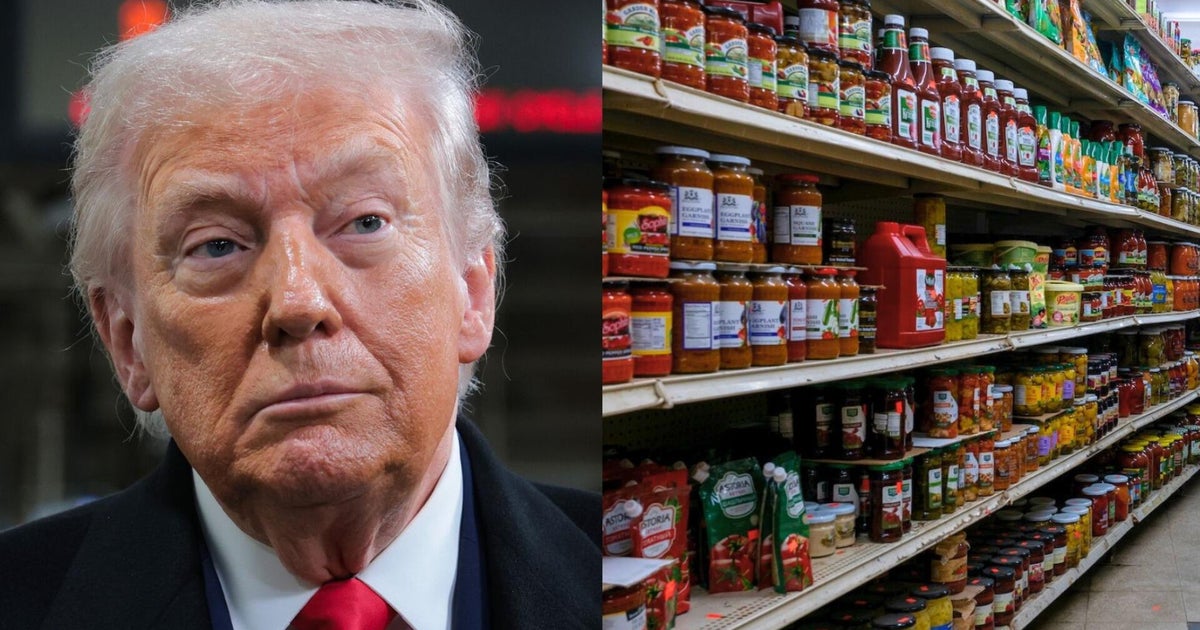
President Trump campaigned in 2024 on promises to lower Americans' cost of living, vowing to push gasoline prices below $2 a gallon and to deliver 2% mortgage rates. Two years later, consumers face sharply higher costs for many of the necessities he pledged to make more affordable.
The financial pressures affecting Americans predate Mr. Trump's return to the White House last year. Consumers are reeling from the cumulative impact of five years of post-pandemic inflation, economists note. But his campaign promises raised hopes that he would lower consumer prices.
Mr. Trump's decision to attack Iran in February has also led to a drawn-out conflict that has disrupted oil shipments and sharply driven up the price of oil, gas and diesel.
Inflation in September is forecast to have risen at an annual rate of 3.6%, up from 3.4% in August, according to economists polled by FactSet — well above the Federal Reserve's 2% annual target.
Ryan Bourne, an economist at the libertarian Cato Institute, said that consumers "judge the prices they're paying against the prices they paid four or five years ago, and are still shocked by it."
The White House said that Mr. Trump's agenda "stopped Biden's inflation crisis" while creating jobs and economic growth. The administration's policies "will continue to deliver economic wins over the next two years," White House spokeswoman Taylor Rogers told CBS News.
The following charts show how U.S. costs have changed for expenses ranging from groceries to car insurance.
"A vote for Trump means your groceries will be cheaper." — Mr. Trump in a campaign speech in Pittsburgh on Nov. 4, 2024.
For consumers, each visit to the supermarket is a fresh reminder of inflation's impact on food costs, which has continued to rise since Mr. Trump vowed to lower grocery prices.
"Whether it's talking about gas prices or grocery prices or restaurant prices or travel prices, everybody talks about inflation," he said. "The salience of prices is what is driving this downbeat consumer morale."
Gas prices have surged since the U.S. and Israel attacked Iran in late February. As of Oct. 9, the national average price for a gallon of gasoline was $4.37. That's up 47% from $2.98 on Feb. 27, one day before the war began, according to CBS News data.
Diesel prices rose to a record high of $6.53 per gallon on Sept. 22 and now hover around $6.28. Diesel, which is widely used in the trucking, agriculture and construction sectors, is a factor in consumer prices for nearly every type of good, including groceries.
Dive deeper
- President Trump campaigned in 2024 on promises to lower Americans' cost of living, vowing to push gasoline prices below $2 a gallon and to deliver 2% mortgage rates. Two years later, consumers face sharply higher costs for many of the neces
- The financial pressures affecting Americans predate Mr. Trump's return to the White House last year. Consumers are reeling from the cumulative impact of five years of post-pandemic inflation, economists note. But his campaign promises raise
- Mr. Trump's decision to attack Iran in February has also led to a drawn-out conflict that has disrupted oil shipments and sharply driven up the price of oil, gas and diesel.
- Inflation in September is forecast to have risen at an annual rate of 3.6%, up from 3.4% in August, according to economists polled by FactSet — well above the Federal Reserve's 2% annual target.
- Ryan Bourne, an economist at the libertarian Cato Institute, said that consumers "judge the prices they're paying against the prices they paid four or five years ago, and are still shocked by it."